
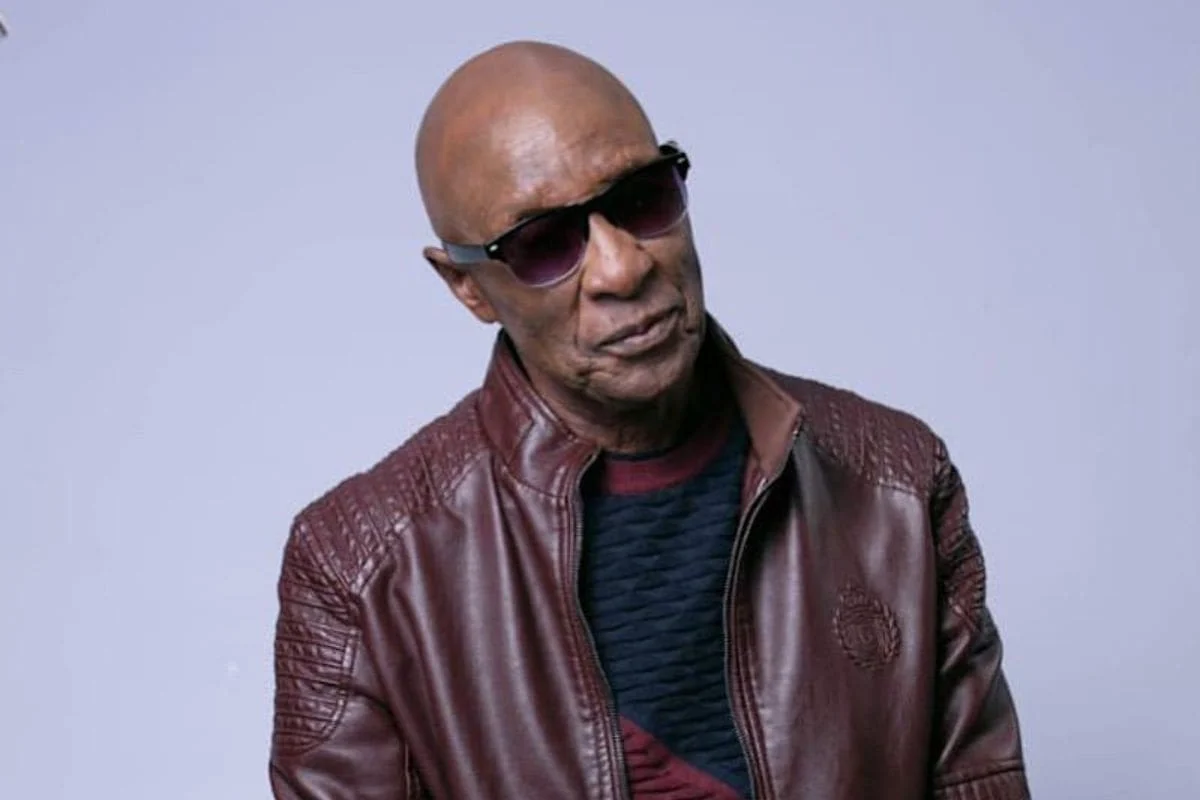
South African singer, guitarist and composer Babsy Mlangeni has died at the age of 83 following a short illness.
Mlangeni, born Bernard Mlangeni in Orlando East, Soweto, in 1943, had a career spanning nearly six decades. News of his death on 2 October 2026 prompted tributes from music industry organisations, government officials and members of the public.
The South African Music Rights Organisation (SAMRO) described Mlangeni as an influential figure in South African music, noting his contribution as a singer, guitarist and composer.
“SAMRO notes the passing of veteran singer, guitarist and composer, Babsy Mlangeni,” the organisation said. “Born Bernard Mlangeni in Orlando East, Soweto, Mlangeni was an influential voice in South African music for nearly six decades, celebrated for classics such as ‘Sala Emma’, ‘Bua Nnete’ and ‘Botsotso’.”
Minister of Sport, Arts and Culture Gayton McKenzie described Mlangeni as “a musical giant, a pioneer and a voice that became part of the soundtrack of our lives”.
“That was Babsy’s gift: he did not need people to speak the same language to feel the same emotion,” McKenzie said. “His music carried warmth, romance, resilience and the experiences of ordinary people.”
Deputy Minister of Sport, Arts and Culture Peace Mabe said Mlangeni had been part of the “living history” of South Africa’s creative sector.
“His life was a testament to the power of music to tell our stories, preserve our heritage and bring people together across generations,” Mabe said.
Blind since childhood, Mlangeni attended Athlone School for the Blind in Cape Town, where he learnt to play the guitar. He subsequently developed a career as a singer, guitarist, songwriter and composer despite the barriers facing blind musicians in the South African music industry.
His repertoire included ‘Sala Emma’, ‘Bua Nnete’, ‘Thekeni’, ‘Hey Mr Taxi Driver’, ‘Mapule’, ‘Music Was Born in Africa’, ‘Botsotso’, ‘Lonely Man’ and ‘Umadlembathini’. ‘Sala Emma’, a song inspired by his wife, Emma, became particularly well known and crossed linguistic and regional boundaries despite being performed in Sesotho.
Mlangeni continued performing into his later years. He received a South African Music Awards Lifetime Achievement Award in 2017 and was honoured again with a Lifetime Achievement Award at the National Arts and Culture Awards in 2025.
His death marks the passing of a musician whose work connected generations of South African listeners and whose career reflected the country’s changing musical landscape.