

SoundExchange has signed a reciprocal agreement with Music Nation Copyrights Management (MusicNation) covering neighboring rights in the United States and the United Arab Emirates.
The deal means artists and rights owners registered with SoundExchange will be paid when their recordings are played in the UAE, while Emirati creators will be paid when their music is played in the US.
Agreement terms#
The two organizations announced the agreement on Thursday (September 17). It also opens the UAE to some of the collective management organizations (CMOs) that SoundExchange works with, which now have the option of collecting Emirati royalties through the deals they already hold with the Washington, D.C.-based non-profit.
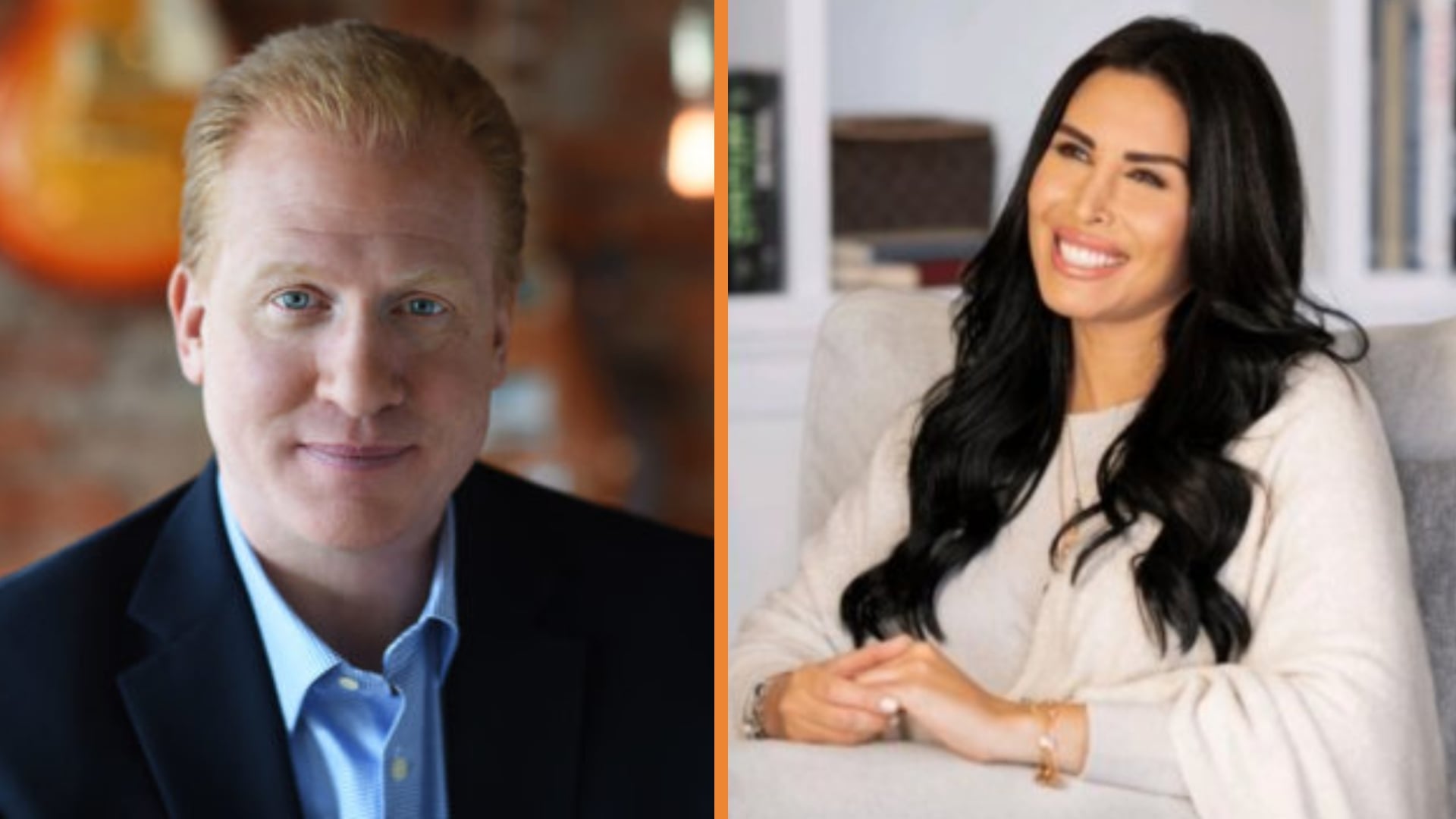
Michael Huppe, President and CEO of SoundExchange, said:
“This groundbreaking reciprocal agreement with Music Nation will open a new revenue stream for SoundExchange artists and rights owners whose music is played in the UAE while ensuring Emirati creators are compensated when their music is played in the United States. It also enables SoundExchange to seamlessly provide these services for some of its partner CMOs around the world, who have the option of collecting UAE royalties through their existing agreements with SoundExchange.”
UAE rights framework#
The agreement builds on a partnership the pair announced in March 2025, under which SoundExchange supplies technology, data, and industry expertise to support neighboring rights administration in the UAE.
MusicNation, which also counts BMI (Broadcast Music, Inc.) as a partner, was set up as a CMO to license neighboring rights, public performance rights, and mechanical reproduction rights across the Emirates.
MusicNation Chairwoman Rasha Khalifa Al Mubarak said:
“Music is one of the most powerful expressions of identity, culture, and human artistry. As the UAE continues to develop and attract foreign investment into its creative economy, we have a responsibility to build the systems that ensure artists and rights holders are respected, and that musical IP is protected and fairly compensated to global standards. This agreement with SoundExchange represents a national and industry milestone, advancing MusicNation’s mission to create a transparent, globally connected music rights ecosystem in the UAE and strengthens the foundation for a more sustainable creative future for our region.”
MusicNation CEO Amer M. Samhoun said:
“This agreement marks a pivotal step in MusicNation’s international role as the UAE’s music rights infrastructure continues to expand. It gives international CMOs and rights partners confidence that they can work with MusicNation in the UAE through a transparent and efficient system, and participate in the opportunities created by one of the region’s fastest-growing creative markets.”
Market context#
The UAE is a recent addition to the map of collective management markets. The country’s Ministry of Economy issued its first collective management license only in April 2025, to the Emirates Music Rights Association (EMRA). MusicNation was granted its own permit two months later, in June 2025, and started operating that October.
The UAE government presented EMRA’s license as part of its ‘Vision 2031’ program, which sets out to turn the country into a creative hub by putting the legislation and regulation in place first. Cultural and creative industries were worth 3.5% of UAE gross domestic product (GDP) in 2022, or 54.4 billion dirhams (USD $14.8 billion), on government figures published alongside EMRA’s license.
Foreign societies have moved in since. Sacem signed a representation agreement with EMRA in February, and has worked with IFPI (International Federation of the Phonographic Industry) and the UK’s PPL on a framework for collecting authors’ and neighboring rights in the country. Abu Dhabi-based ESMAA, launched by PopArabia in 2020, represents societies including Canada’s SOCAN and the UK’s PRS For Music.
Al Mubarak also chairs Dubai Global Music City (DGMC), which is developing a ‘Music City’ in the UAE in partnership with Universal Music Group, including the first Capitol Studios facilities to be built outside Hollywood.
Regional recorded music growth#
Recorded music revenues across the Middle East and North Africa (MENA) grew 15.2% year over year in 2025, making it the joint second-fastest-growing region in the world alongside Sub-Saharan Africa, according to IFPI. That builds on 22.8% growth in 2024, when MENA was the fastest-growing region globally.
- Streaming generated 97.5% of the region’s recorded music revenues last year, on IFPI’s wholesale numbers.
- Global recorded music revenues grew 6.4% year over year to USD $31.7 billion over the same period.
Universal Music Group launched Def Jam Recordings North Africa in Casablanca in June this year, with a remit covering the Maghreb. The company opened its Morocco office in 2020 and acquired UAE-based Chabaka Music in 2023.
PopArabia, the Abu Dhabi-headquartered partner of Reservoir Media, bought MENA label and digital distributor Viral Wave in April, taking its administered catalog to nearly 100,000 Arabic songs.
The UAE deal follows a reciprocal agreement SoundExchange signed in May with Argentina’s CAPIF, covering performers and building on a rights-owner agreement between the two organizations.