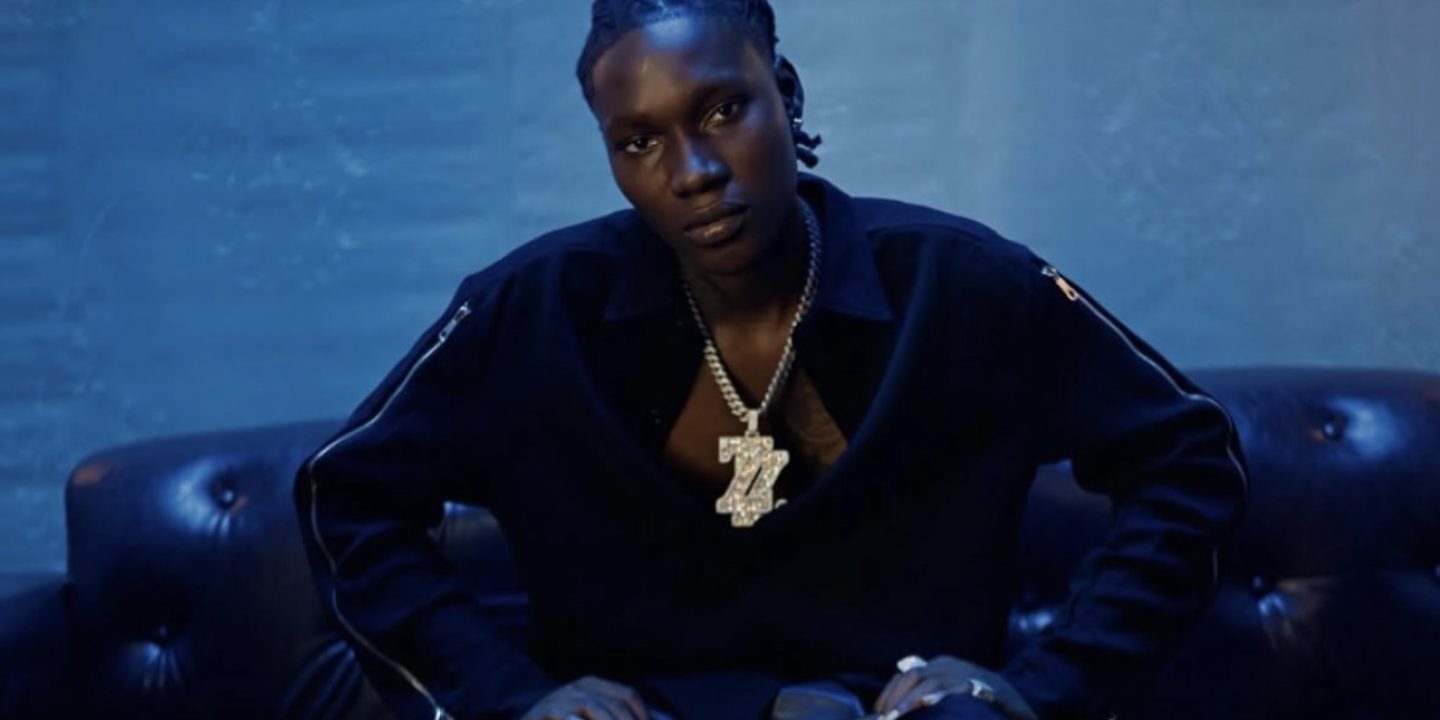

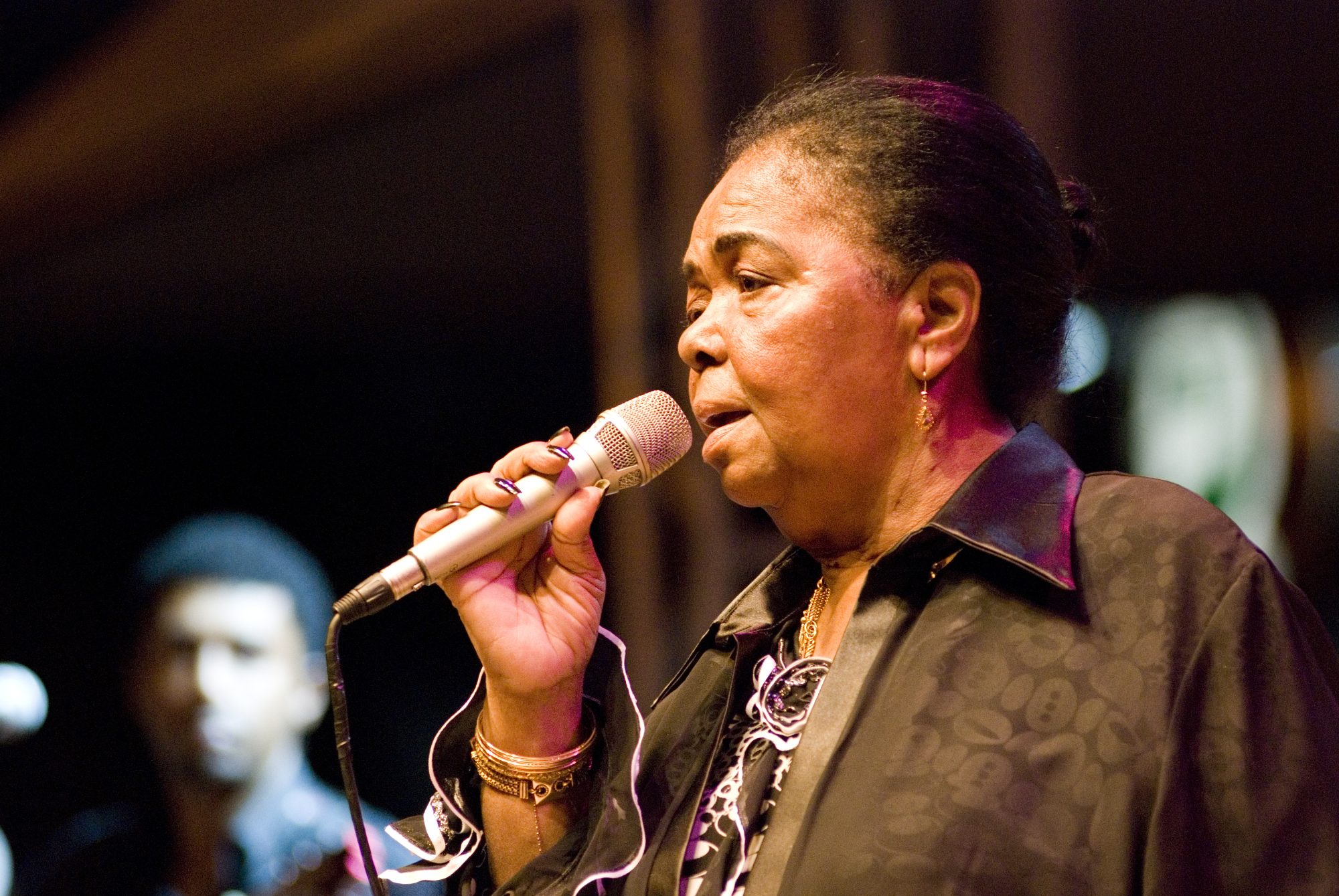
What changed hands was two Paris companies, not a list of songs. On 2 July 2025, Sony Music Entertainment France and Sony Music Publishing France announced they had acquired Lusafrica, the record label José Da Silva founded in 1988, and Africa Nostra, the publishing house built alongside it. Between them the two companies hold more than 4,000 titles, including the complete recorded discography of the Cape Verdean singer Cesária Évora and every album by the Cuban singer Polo Montañez. No price was disclosed in the announcement, and no party has disclosed one since.
The split inside Sony is clean. The recorded side, Lusafrica, went to Sony Music France. The publishing side, Africa Nostra, went to Sony Music Publishing France. Sony says the Africa Nostra editorial catalogue overlaps with close to three quarters of the Lusafrica recorded works, which means one buyer group now sits on both the master and the underlying song for most of the same repertoire. Alongside Évora, the announcement names Lura of Cape Verde, Bonga of Angola, Boubacar Traoré of Mali and Montañez, and singles out “Petit Pays”, “Sodade”, “Bésame Mucho”, “Un Montón de Estrellas” and “Guitarra Mía”.
The full deal record, with every source, is here.

Why buying a company is not the same as buying a catalogue#
In a catalogue purchase, a buyer takes an assignment of a schedule of copyrights. There is a list: named masters or compositions move, and everything not on the list stays where it was. That is the shape of most rights-fund deals of the last five years, including Reservoir Media’s purchase of Lebo M’s publishing.
In a company purchase, nothing on the copyright register moves at all. The label keeps owning what it owned. What changes is who owns the label. Sony’s own wording describes the acquisition of “un label et une maison d’édition”, a label and a publishing house, not an acquisition of masters. The French national business register supports that reading: both Lusafrica and Africa Nostra still exist as live legal entities, with the same registration numbers they have carried for more than twenty years, and what has changed is who sits on top of them.
Queried on 22 August 2026, that register records Sony Music Publishing (France) SAS as the sole officer of Africa Nostra, holding the office of president. For Lusafrica it records Sony Music Entertainment France SAS as a director, alongside Marie-Anne Robert, the president of Sony Music France, as president of the board and managing director. Both companies now give their registered office as 67-69 boulevard de Charonne in Paris, which is Sony’s own address in the same register.
One caution, because it matters. The French register publishes officers and directors, not shareholdings. It establishes that Sony entities now control the governance of both companies. It does not tell you what percentage of the share capital Sony holds, and no document we checked states one.
Did Sony already distribute this music?#
Yes, at least in part, and this is the most useful thing to understand about the transaction. Catalogue metadata on streaming services shows Cesária Évora albums credited variously to Lusafrica and to three Sony imprints: RCA Records Label, Columbia and Legacy Recordings. Da Silva’s own statement in the announcement refers to more than twenty years of collaboration with Sony.
A label credit on a streaming service tells you which company delivered and marketed a release. It does not tell you who owns the recording. So the commercial relationship between these catalogues and Sony is old. What is new in July 2025 is not that Sony moves this music, it is that Sony owns the company that owns it.
That is the difference between distributing and owning. A distributor takes a fee or a margin, works to a term, and hands the catalogue back when the term ends. An owner takes the residual: whatever the catalogue earns for as long as copyright runs, with no reversion date and no renegotiation. A distribution deal that has run for two decades is a relationship. An acquisition is a permanent change in the capital structure of a body of African repertoire.
Who administers the songs now?#
Africa Nostra remains the publisher of the compositions it published before. Sony Music Publishing France now controls Africa Nostra. In practice that means the day to day work of publishing administration, registering works with collecting societies, chasing income across territories, clearing synchronisation licences, moves onto the pipes of a major publisher rather than staying with a small independent operating out of Paris.
One limit on that. The SACEM online repertoire, which would show the publisher of record on individual works, returned no usable response to the queries attempted on 22 August 2026, so work-by-work publisher data has not been checked. The correct statement is that Sony Music Publishing France controls the publisher, not that it is named as publisher on any particular song.
What this means for artists#
Four things, in plain terms.
Your contract did not move, your counterparty’s owner did. If you are signed to Lusafrica, you are still signed to Lusafrica. The company is the same legal person it was in June 2025. That is a real practical difference from a catalogue sale, where an artist can wake up contracted to a buyer they have never met. Your royalty rate, your accounting periods and your audit clause are whatever your contract already said. Nothing in the announcement changes any of them.
Who decides changes anyway. Control at board level is control over budgets, over reissue campaigns, over what gets pitched for synchronisation and what quietly stops being worked. An independent whose founder built the catalogue personally makes those calls one way. A catalogue division inside a major, in this case run by catalogue director Matthieu Damade, makes them another. Neither is automatically better for an artist. They are different.
Scale cuts both ways. A major publisher collects in more territories, more reliably, with more leverage over digital services, and that is money an independent frequently leaves uncollected. A major also has thousands of catalogues competing for the same attention, and a mid-tier Lusophone album is not obviously the one that wins the meeting.
If you are negotiating now, price the exit. The lesson of this deal for any African artist signing to an independent is that the label you sign with is itself an asset that can be sold, and you will not be consulted. If that matters to you, the place to deal with it is a change of control clause in your contract, negotiated before you sign, not after the press release.
What the price was, and what else is not known#
Not disclosed. There is no figure, no multiple, no earn-out and no term in the announcement, and none has surfaced since. For scale only, the register’s published 2024 accounts, which predate the deal, record turnover of EUR 794,186 and a net result of minus EUR 156,331 for Lusafrica, and turnover of zero for Africa Nostra, a line better read as a filing artefact than as a statement about what the catalogue earns.
Also unestablished: what percentage was acquired, whether the Da Silva family retained any stake, whether any consideration was in Sony equity, and how existing third party licences over the back catalogue were treated.
Two date conflicts sit on the record and we are leaving them there rather than smoothing them. Sony dates Africa Nostra to 2000; the register dates the legal entity to 25 April 1998. Sony dates Lusafrica to 1988, which is the label’s founding rather than the incorporation of the company that was bought: the register dates that entity to 24 September 1999. Separately, MusicBrainz carries an undated and unsourced “label ownership” entry attaching BMG France to Lusafrica. That conflicts with the founder’s own account and looks like a distribution relationship logged as ownership. We flag it; we do not adopt it.
Where this sits in the pattern#
The majors are not buying African repertoire one song at a time. They are buying the companies that hold it. Warner took full ownership of Africori rather than licensing its roster. Universal absorbed Downtown, and with it Africa’s largest independent publisher, in a corporate transaction. Sony has now done the same thing to a catalogue that runs from Mindelo to Havana.
Company acquisition is the efficient instrument here, because these catalogues are not clean schedules of well registered copyrights. They are decades of relationships and paperwork of variable quality, and buying the entity takes all of it without anyone having to reconstruct who owns what. It also means that when a founder-led African repertoire independent sells, the whole institution changes hands at once, and the artists on it find out from a press release.
How this was verified#
Primary source: the Sony Music Entertainment France newsroom announcement of 2 July 2025, read in full in the original French. Corroboration: the French national business register, queried on 22 August 2026 for Lusafrica (SIREN 424464014), Africa Nostra (SIREN 418649422) and both Sony French entities. Every URL is on the deal record.
Quick answers#
Who owns Cesária Évora’s recorded catalogue now?#
Lusafrica still owns the recordings. Sony Music France owns Lusafrica, having acquired the company itself on 2 July 2025 rather than buying a schedule of masters.
Did Sony disclose what it paid for Lusafrica and Africa Nostra?#
No. No price, multiple, earn-out or term appears in the announcement or in any document checked, and neither side has published a figure since.
Does the deal change an artist’s contract with Lusafrica?#
Not in itself. Lusafrica remains the same legal entity, so existing contracts stay where they are. What changes is who controls the company that makes the decisions.