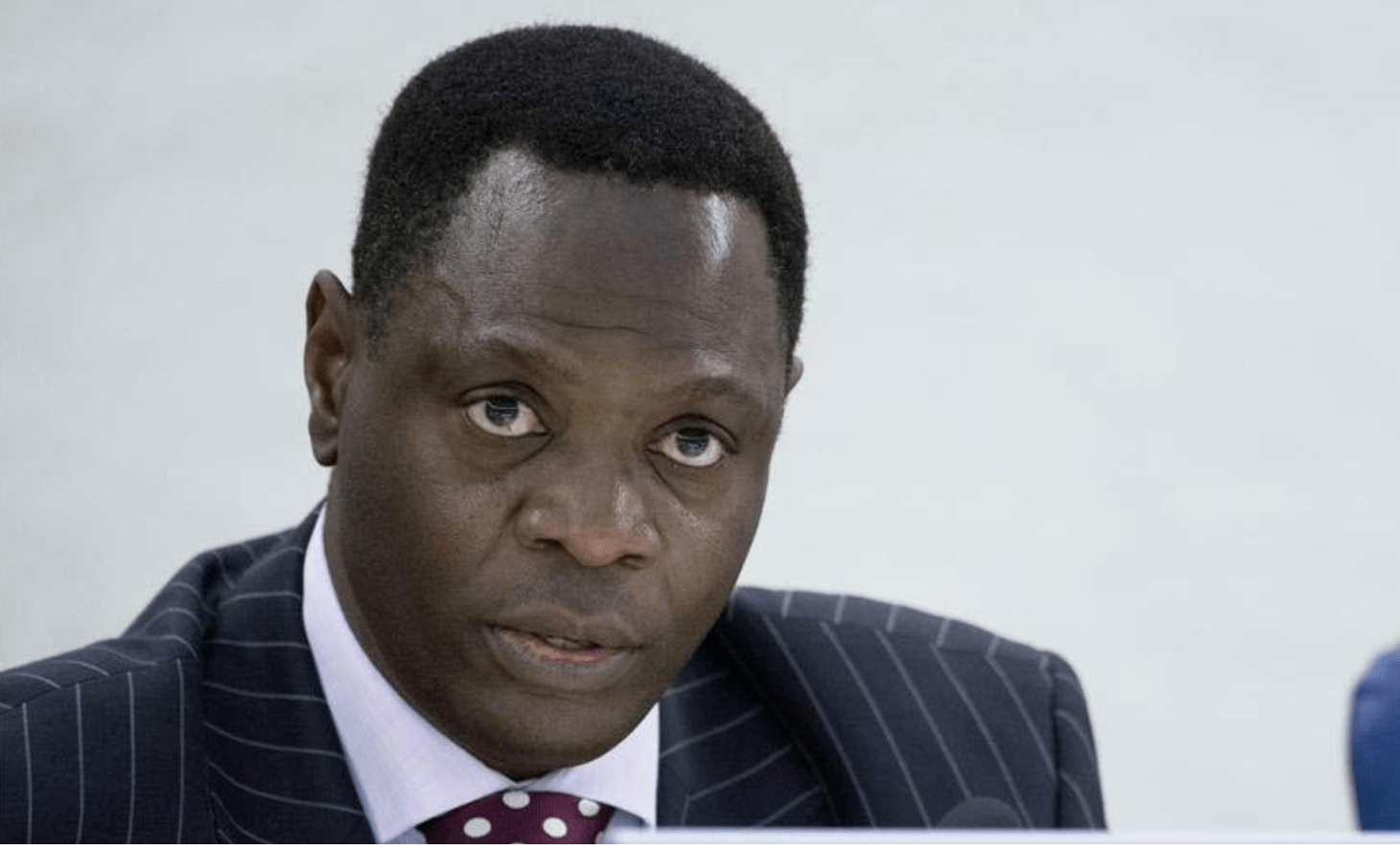

In July 2021, Universal Music Africa announced that its newest partner label had signed an Ivorian rapper named Didi B, a former member of the group Kiff No Beat, as one of its first two acts. By 2026, that same rapper and that same label had sued each other, settled, and gone their separate ways, and his commercial catalogue had already moved through three different company names in between. No one involved has ever said what any of it cost.
The full deal record, with every source and every caveat, is filed here.
What the 2021 announcement actually said#
Universal Music Africa’s own press release, published on 13 July 2021, described the launch of 92i Africa, a label division of French rapper Booba’s Tallac Records and 92i brand, built as a joint venture with Universal Music Africa and Universal Music France. The release named Franck Kacou, Universal Music Africa’s managing director, and Olivier Nusse, Universal Music France’s chief executive, and said the new label would be based out of Universal Music Africa’s own regional headquarters in Abidjan, covering 25 French, Spanish and Portuguese speaking African countries.

Didi B was named among the launch’s marquee signings, alongside Senegalese rapper DopeBoy DMG. He had already been reported as the label’s second signing seven weeks earlier, in a report quoting his own reaction: “Cette victoire est la notre, merci a tous, l’aventure commence.” That victory is ours, thank you all, the adventure begins.
What the announcement did not say is just as telling. It described services: brand and marketing partnerships, live production, touring support, and making Booba’s own ten album catalogue available across Africa for the first time. It never used the words masters, publishing or ownership for any signed artist. No financial terms were disclosed at launch, and none have been disclosed since, by either side, at any point in the five years that followed.
What the credit line shows#
The phonogram symbol, the circled P, is the most reliable public record of who a rights holder actually is on a given recording. Didi B’s own catalogue carries three different phonogram credits across four years, each independently readable from a registry or storefront.
A release dated 31 May 2022 carries the credit 92i Records. A release from 14 June 2023, a collaboration with French singer Dadju, carries the credit Universal Music Africa instead, the parent joint venture partner rather than the label division itself. From November 2024 onward, every Didi B release checked carries a third name: Repat Agency. That includes a single released that month, a double album released in April 2025, and a full album released in November 2025.
One further wrinkle sits underneath the April 2025 album specifically. A separate smart link page for the same release, hosted through distributor Believe, names a different legal identity in its own underlying metadata: Coast to Coast. That field does not appear on the phonogram credit shown to listeners on the streaming storefront itself, which still reads Repat Agency. No document reviewed explains the relationship between Repat Agency and Coast to Coast, or whether either company has any tie to 92i Africa, Universal Music Africa, or to Didi B’s own business interests.
The lawsuit#
On 9 February 2024, 92i Africa issued a statement announcing legal action against Didi B. The label said he had released and distributed more than twenty tracks without consulting it, causing financial and reputational harm, and that it would pursue the matter in court for damages.
The dispute had been building for months. Booba had said publicly the previous September that Didi B remained signed to the label but was, in his words, in pain, while separately denying an unrelated signing rumour involving French label Suspect 95. A photograph of Didi B outside Roc Nation’s New York offices had also circulated around the same time, feeding speculation that Jay-Z’s label was courting him. No party ever confirmed that rumour, and Roc Nation’s own public roster has never listed him.
The takedown nobody explained#
On 23 May 2025, Didi B’s double album was temporarily pulled from streaming platforms following a claim by a label over certain tracks on it. The label bringing the claim was never named, in that report or in any other account of the episode located for this record. Didi B addressed it himself, saying everything would soon return to normal and pointing, without naming anyone, at parties he said were trying to damage his image through illegal practices.
Whether that claim came from 92i Africa, from Universal Music Africa, from Repat Agency, from Coast to Coast, or from a fifth party entirely could not be established. The album returned to platforms afterward, and no public statement from any company has ever addressed what triggered its removal.
The settlement#
On 7 May 2026, a joint communique from both sides announced the dispute was over. The two parties said they had reached what they called an amicable settlement, judged satisfactory and preserving each side’s interests. 92i Africa said it was ending the judicial procedure it had opened two years earlier. Both parties said they would now continue their activities independently.
No settlement figure was disclosed. No statement addressed who, if anyone, holds Didi B’s master recordings going forward. No statement resolved the unnamed claim behind the previous year’s takedown. And no statement clarified whether Universal Music Africa, the joint venture partner named at the very start of this story, was itself a party to the settlement, or whether it was only 92i Africa, the label division that had filed suit, settling on its own.
What this means for artists#
The lesson here has little to do with Didi B specifically and everything to do with what a label announcement does and does not tell you.
First, a joint venture announcement describing services, brand partnerships, marketing, touring support, catalogue availability, is not a statement about who owns your masters. If the words masters, ownership or publishing never appear, treat the ownership question as open, not settled, no matter how prominent the launch.
Second, your own credit line is the record that actually moves, and it can move more than once without anyone announcing it. Didi B’s went from a label division, to the parent joint venture company, to a company nobody involved in the original 2021 deal has ever named, over less than three years. Artists in similar arrangements should check their own phonogram credits directly on the storefronts where their music sells, rather than relying on what a press release said when they signed.
Third, a settlement that ends a lawsuit does not automatically answer the questions the lawsuit raised. Here, the legal dispute is over, but the two biggest open questions, who owns the masters now and who filed the unexplained 2025 takedown claim, remain exactly as open as they were before the settlement was announced. A resolved court case and a resolved catalogue are not the same thing, and artists exiting label disputes should get both in writing before calling either one finished.