


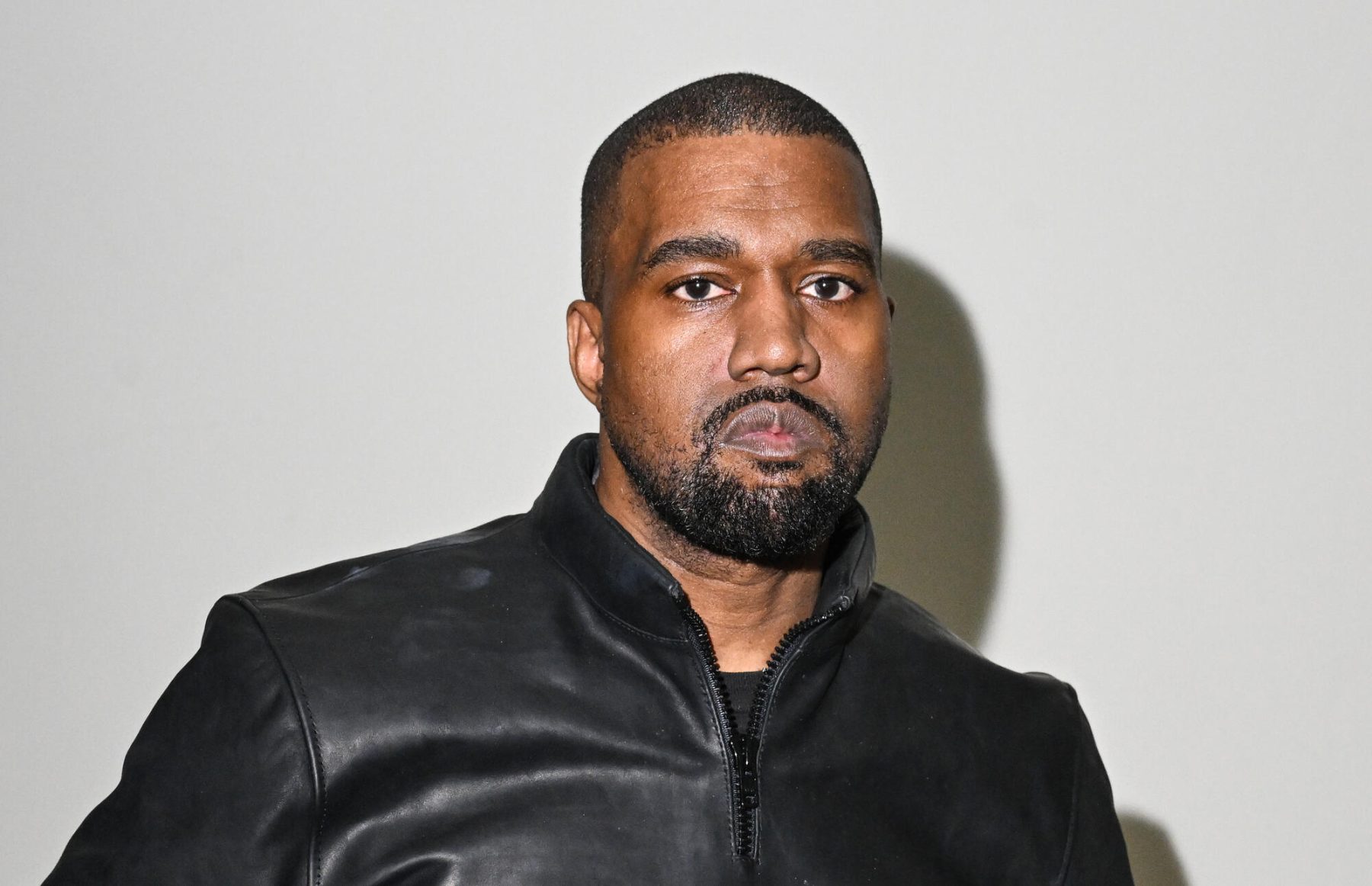
Ye, formerly Kanye West, has settled a lawsuit brought by German singer-songwriter Alice Merton, who accused him of sampling her song after she had refused clearance over his history of antisemitism.
Settlement terms and court filing#
A Nov. 6 court filing stated that Ye and Merton have reached a settlement “conditioned on the parties’ completion of certain performance obligations.” The deal terms were not disclosed. Representatives for both sides did not immediately respond to requests for comment.
The copyright claim#
Merton sued Ye last year, alleging that his 2024 track “Gun to My Head” sampled her earlier song “Blindside” without permission. She said she had explicitly rejected Ye’s clearance request months earlier because, as a direct descendant of Holocaust survivors, she did not want to be associated with the rapper’s past antisemitic remarks.
Ye’s lawyers argued that Merton did not have the proper evidence for a copyright claim. They also noted that “Gun to My Head” has never been available on streaming. The track was released on a digital deluxe version of Vultures 2, which was only available for purchase during a two-day period in 2024.
Trial date and court ruling#
Merton’s case had been scheduled to go to trial this coming March. In October, a month before the settlement was reached, a judge denied Ye’s request to remove all references to the Holocaust and antisemitism from the lawsuit.
Ye’s history of sample disputes#
Ye has been sued more than a dozen times over the course of his career for allegedly using unlicensed samples and interpolations in his music. He has settled many of these claims. He took one to trial for the first time earlier this year, and a jury ultimately found him liable for infringing an instrumental track on an early version of his chart-topping 2021 album Donda.
Public apology and controversy#
Ye’s career has been marked by controversy over his antisemitism since 2022. In a lengthy apology published this past January, ahead of the release of his latest album Bully, he addressed years of public hate speech, including praise of Hitler and the sale of swastika T-shirts. He wrote that these comments had stemmed from a 2002 car crash that caused severe brain damage and bipolar disorder.
“I regret and am deeply mortified by my actions in that state, and am committed to accountability, treatment and meaningful change,” Ye wrote. “It does not excuse what I did, though. I am not a Nazi or an antisemite. I love Jewish people.”
Stadium shows and cancellations#
Ye has since sought a comeback, playing to large crowds on an ongoing run of stadium shows this year. Shows in the United Kingdom and Poland have been canceled due to government concerns about his previous antisemitic statements.
U.S. Senator Rick Scott (R-Fla.) also ran a public, though unsuccessful, campaign to stop Ye from performing at Raymond James Stadium in Tampa, Florida, in June.

