

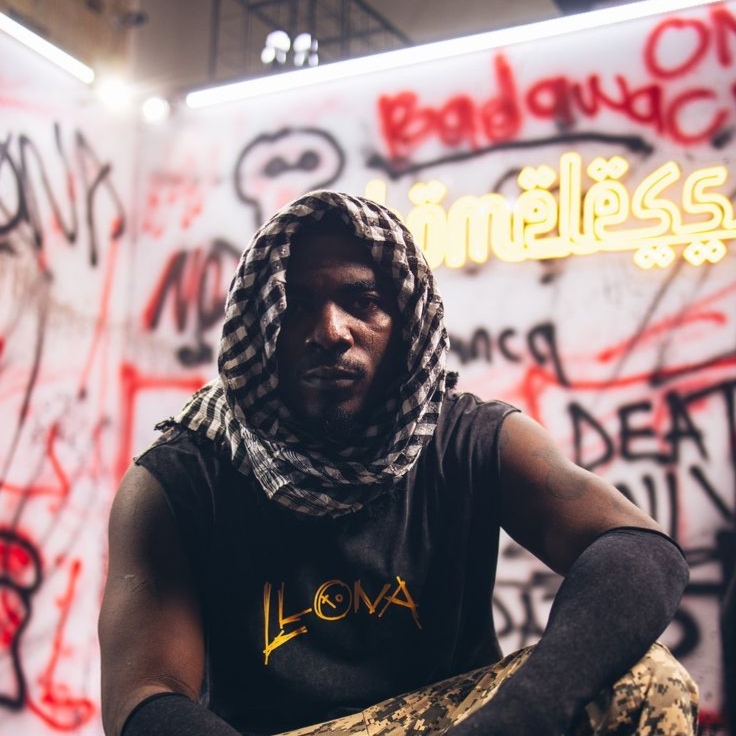
Llona’s new album On The Road picks up where his previous project Homeless left off, trading bold declarations for a quieter, more introspective examination of what comes after confronting one’s demons. The record frames the pursuit of mental stability not as a single victory but as an ongoing, often solitary journey.
A shift toward reflection#
Where Homeless balanced its weighty themes with moments of energy, On The Road settles into a consistently solemn register. The album captures the aftermath of drastic personal change: the process of learning to live with oneself and finding rhythm in a new, healthier reality.
On the opening track Monster Or Not, Llona repeats the lines “I don’t know if I am a monster, I don’t know if I lived this life before,” questioning whether his current efforts can absolve him of past guilt. The song articulates a sense of survivor’s guilt and the trauma associated with a combative past. Anger Management follows, with Llona focused on keeping his temperament in check, aware of the potential for trauma-induced violence.
Collaborations and emotional terrain#
Cry features Black Sherif, whose contrasting vocal delivery underscores a defense of emotional vulnerability in men. On Different Pictures, Llona pays tribute to his day-one companions, recounting shared hardships. A verse from Morello reinforces how those struggles have shaped them, while Llona affirms that their core identities remain unchanged despite wanting different things.
Turbulence initially reads as a relapse into combative posturing, but Llona clarifies that his discipline is intact; the aggression is a statement of resilience rather than a return to old habits. True Colors finds him considering a reunion with a former lover, only to pull back, recognizing that volatile emotions could jeopardize his progress.
Love, community, and pressure#
On Masculine Love, Llona laments the difficulty of sustaining a relationship while still healing, singing “Gave you my life but I still owe you.” The track reveals a divided sentiment, acknowledging the need for love while admitting he is not fully invested. Look At Me shifts focus to the importance of community, quietly emphasizing that life’s good moments are best shared with loved ones.
Fridayy appears on a track that questions whether those close to him can handle the weight of his secrets. The concern is not about betrayal but about burdening others. On Pressure, Llona navigates the expectations placed on him by listeners who find his music therapeutic. He reminds them of his imperfections, detailing the moral compromises he has made in his effort to stay sane.
Resolution and its discontents#
N****s Don’t Get Love revisits survivor’s guilt through the lens of a dependent partner. Llona urges self-reliance, a sentiment that gains clarity on Won’t Die, where he sings about running away and living life on his own terms, free from being tethered to another person. The album closes with What Do I Do?, a track in which Llona finally reaches the peace of mind he fought for, only to find it unfulfilling. As a soldier who has spent his life battling, he is left unsure of what to do with himself once the fight is over.