
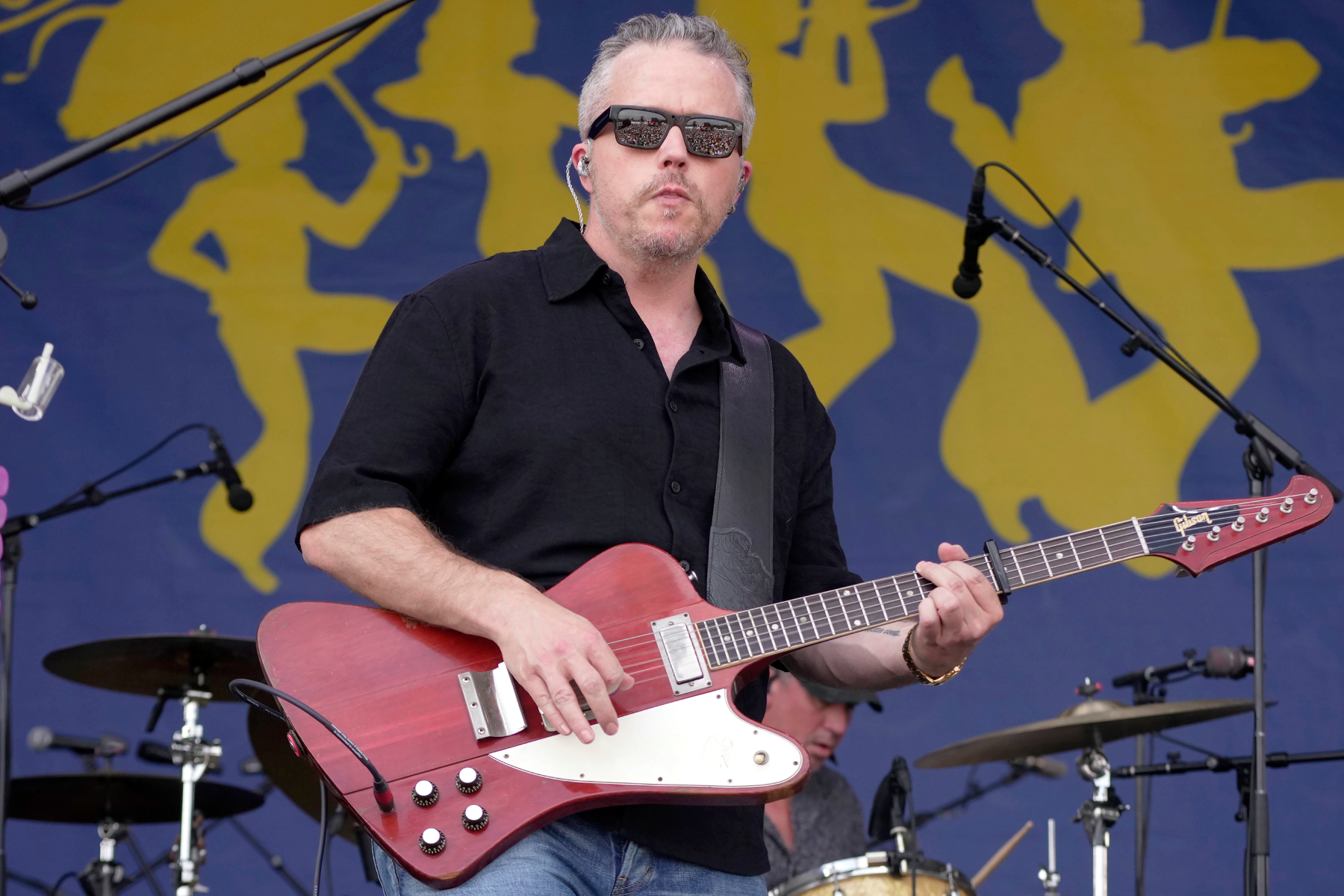
Musician Jason Isbell and several other artists have filed a lawsuit in a United States federal court in Massachusetts against Suno, an artificial intelligence (AI) music company, alleging that Suno trained its models on artists’ identities without consent.
The suit centers on alleged violations of right-of-publicity laws rather than copyright claims. It states that Suno “encoded” the identities of numerous artists into its AI model “without consent, and now exploits those identities” for its own “considerable commercial benefit.”
“Suno knows the commercial value of a machine that can conjure up a beloved musician’s identity simply by invoking their name,” the lawsuit reads. It adds: “Many musicians sell their rights to specific recordings. However, the identity right belongs to the performer regardless of who owns any copyright in an underlying recording unless the identity right is separately licensed, typically for merchandise under the artist’s control. This lawsuit seeks to recover the value of those misappropriated identities and to stop their ongoing commercial exploitation.”
Examples cited in the filing#
The suit’s claims rest on the allegation that Suno took the identifying attributes of particular musicians and turned them into “tokens,” which could then be used to generate sound and descriptions reminiscent of the artist’s actual work.
In one example, prompting Suno with “Jason Isbell” allegedly produced an Americana song called “Paper Bell,” imitating Isbell’s characteristic clear male vocals and country twang. Suno described it as “contemporary Americana singer-songwriter with fingerpicked acoustic guitar” and provided an image of a paper bell with a church and trees in the background, evoking a country scene.
At the time of reporting, “Paper Bell” and many of the other AI songs generated for the lawsuit remained available on Suno.
Other examples cited in the filing include:
- Buddy Guy: a prompt led to “Stone Blues in My Shoes,” described in part as “vintage electric Chicago blues.”
- Carly Simon: a prompt generated a song described as “soft 70s confessional pop.”
- Less Than Jake: a prompt created “Parking Lot Anthem,” described as “ska-punk with fast offbeat guitar chops, jumping baseline, and punchy two-step drums,” with album art invoking the band’s surreal comic book style.
Suno’s response and alleged filter gaps#
Last month, Suno CEO Mikey Shulman addressed the issue in a blog post, writing: “Unlike many AI music platforms, we’ve never allowed prompts for specific artists or copyrighted songs. Instead, when a prompt references a specific artist, we remove the artist’s name and redirect the request toward descriptive musical characteristics.”
The suit claims that these filters are easy to sidestep. One way is allegedly using an artist’s real name instead of their stage name. Prompting Suno with Common’s real name, Lonnie Rashid Lynn, produced tracks that allegedly captured the Chicago rapper’s “more poetic, reflective, socially conscious hip-hop, relying on samples of jazz and soul music.”