Afrobeats has become a premium product. Spirits houses put it on limited bottles, streaming services build features around it, and the majors post record quarters on the strength of global demand for African sounds. The question this week is who is getting paid for that heat. The answer, again, is not the people who made the music, and the gap is widening in plain sight.
The brand is buying the sound#
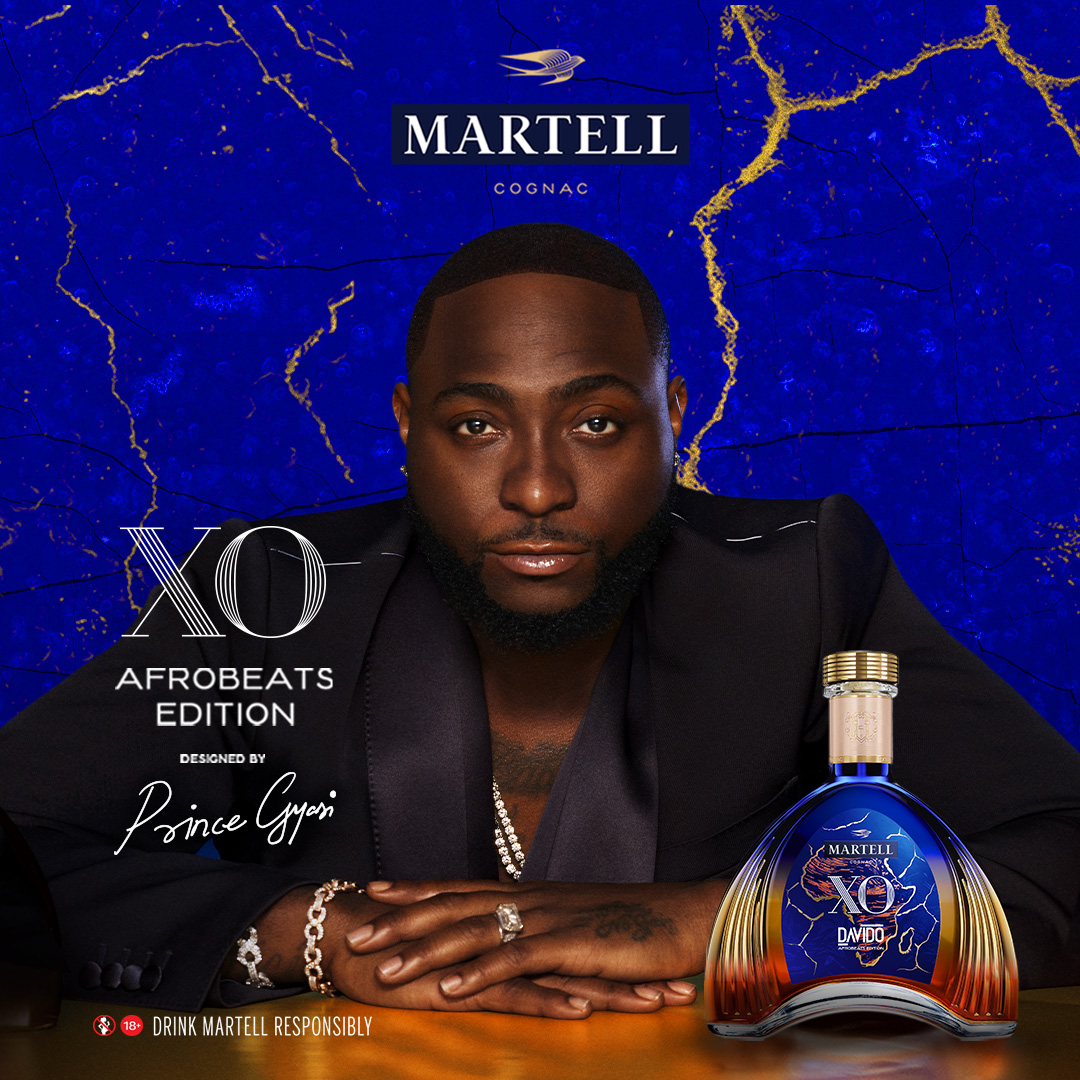
Luxury is the clearest sign that Afrobeats now carries commercial weight. Maison Martell will unveil its Afrobeats Limited Edition XO in Nigeria on November 6, following a New York launch with Davido and Prince Gyasi. A cognac house does not build a limited edition around a genre unless it believes the genre sells prestige. That is a compliment, but it is also a transaction. The brand collects the cultural cachet, the artists collect a fee or an appearance, and the rest of the value chain sits quietly on the side.
Nigeria should read that partnership as a benchmark, not a trophy. If a global spirits brand can attach its name to a genre and launch in Lagos and New York in the same season, the question for artists is what contract they signed, who owns the imagery, and whether the lift from the campaign returns to their catalogues. Those questions are rarely asked in the press release.

The majors keep compounding#
While artists negotiate campaign fees, the companies that own recordings and publishing keep posting numbers that would have been unthinkable a decade ago. Sony Music’s core music revenue rose close to 18 per cent year over year to $3.17 billion in the third quarter of 2026, according to Sony Group Corp. The parent’s combined recorded and publishing business has also exceeded $3 billion for a fourth consecutive quarter, reaching a record $3.15 billion.
None of this means Sony is taking African artists’ money in any simple sense. It does mean that growth in the global market is flowing through catalogues and rights holders. An Afrobeats hit that earns on a major’s books contributes to that growth. Whether the African artist sees a proportionate share depends on the contract, the territory, and the accounting, which is exactly where the trouble usually starts.
Platforms reward the single, not the catalogue#
Streaming platforms have their own incentives, and this week’s data points in a specific direction. African-origin artists hold 14.23 per cent of the charting positions on Apple Music’s songs chart across 41 African markets, and that share is twice as high on songs as it is on albums. For African artists, the single is the main door into the global chart. The full album, the deeper body of work that builds a long-term career, is harder to get noticed.
Apple’s latest feature points the same way. Apple Music is adding a Selfie Sing feature that lets users record themselves singing to songs, initially limited to tracks on a dedicated playlist. It is a fun product, and it will likely drive engagement around hit songs. It also reinforces a pattern in which the platform decides which tracks become interactive, participatory, and shareable. Artists who want to be in that funnel must align their release strategy with the playlist logic, not their own album cycle.
The single-first habit also explains why proven catalogue success still matters. Seyi Vibez’s album SWAGUU has surpassed 150 million streams on Spotify, his fifth most-streamed project on the platform. That is a serious number, earned by an artist who understands how a body of work travels. Success of that scale is still the exception, and the rest of the industry is built to reward the moments that fit a playlist.
Where the money stops#
The most uncomfortable stories are not about glamour. They are about what happens when African institutions and intermediaries are supposed to move money to artists and do not. In November 2023, the Democratic Republic of the Congo’s government signed an $8.4 million contract with Trace, the French-headquartered pan-African music company, and a reply a year later confirmed that the half meant to pay artists had not shipped. A royalty platform is only as credible as its payout. A contract that looks impressive on signing day means little if the artists’ portion never leaves the system.
Eswatini shows the same problem from the regulatory side. UNESCO gave Eswatini’s ESWACOS E1.5 million to fix the country’s copyright system, yet weeks earlier the country’s own minister told the Senate that no disbursements had been made. When a senator asks when artists will be paid and the answer is that the money has not moved, the problem is not a shortage of attention or goodwill. It is execution. African music policy needs ministers who can account for the funds and institutions that can show receipts.
Rights disputes in the United States, while far removed from Lagos or Johannesburg, reinforce the lesson that payment is a legal process. SoundExchange and Music Choice have proposed phased discovery and possible settlement talks in a US dispute over alleged unpaid statutory royalties. Africa’s artists are not usually the defendants in those cases, but they are the ones who wait longest when the paper trail is weak.
Infrastructure is still a promise#
The broader African economy shows the same pattern of ambition running ahead of delivery. Africa Made It has launched its Power, Protect and Purchase campaign in Nigeria, aiming to shift Africa from raw cotton exports to local garment production and capture USD 34 billion in GDP. The logic is familiar to anyone who follows music: export the raw material, let someone else add the value, then wonder why the economics feel thin. Music has the same problem. Creativity is exported at scale, and the processing, ownership and pricing happen elsewhere.
The fix is not another campaign launch. It is infrastructure that keeps value at home: local production, transparent royalty tracking, and courts and regulators that can enforce payment. Campaigns make headlines. Infrastructure makes artists solvent.
What this means for artists#
Independent artists and music professionals should treat this week’s stories as a checklist rather than a mood. Read every brand partnership for ownership of the likeness, the masters, and any resulting content, and ask what happens to your catalogue once the campaign ends. Track where your music is charting by format, because a songs-led strategy and an albums-led strategy call for different release calendars. Demand written, dated payout schedules from any royalty platform or collection body, and keep your own records of what was reported against what was received. When public money is involved, ask for disbursement reports, not just announcements. The money in Afrobeats is real. The task now is making sure the people who make the sound are the ones who get it.