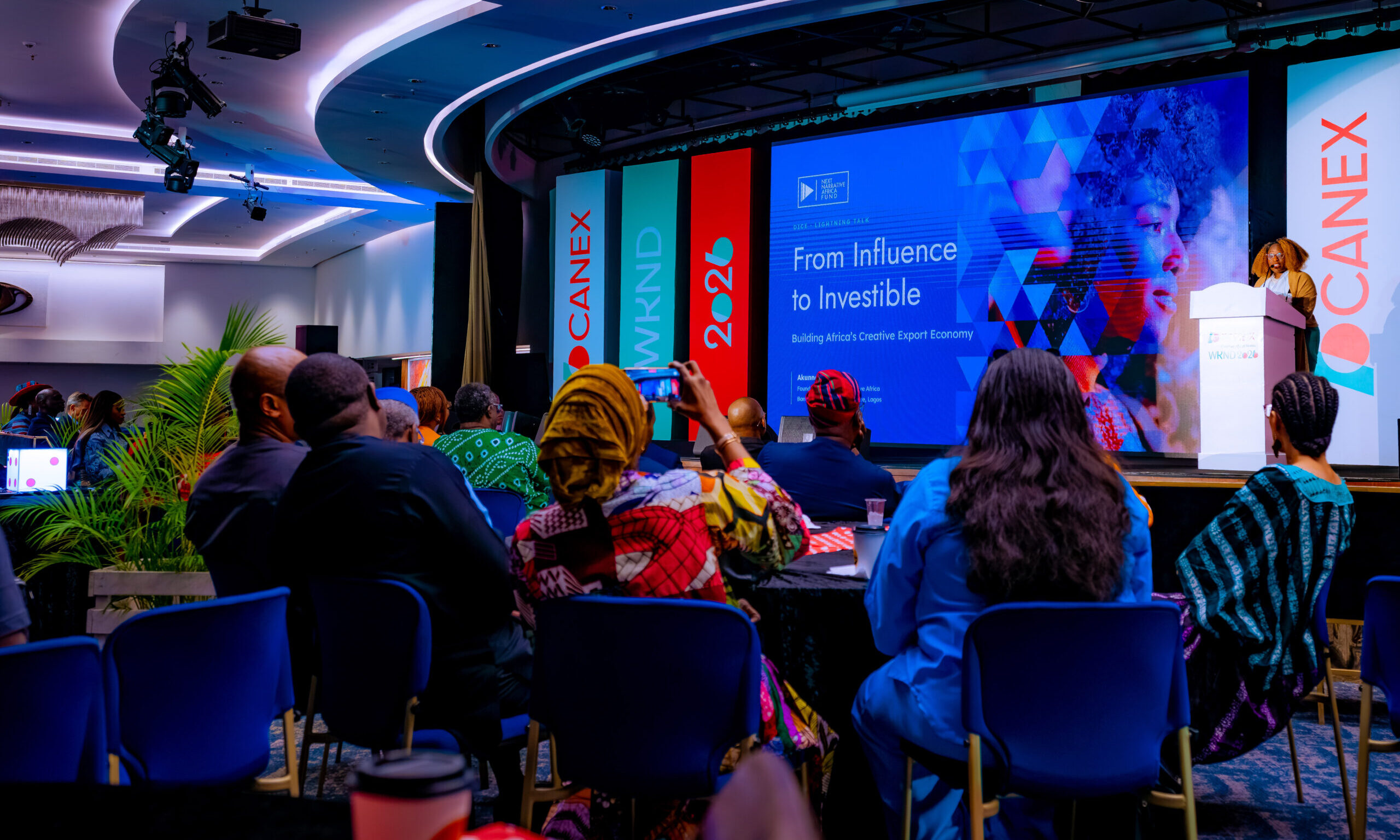
Africa’s music industry could generate nearly $300 million a year in Nigeria and Kenya if copyright and royalty collection systems were strengthened, according to research presented at the CANEX IP Rights Summit in Lagos, Nigeria, on 5 November. The study puts Nigeria at about $230 million annually and Kenya at about $55 million, assuming their music rights systems operated effectively.
Research and panel discussion#
Ieva Oxenbury, researcher and consultant at the Music Economy Development Initiative (MEDI), presented the findings during a panel titled “Music Roundtable: Rights, Royalties and Revenue in African Music.” Samuel Sangwa, regional director for Africa of the International Confederation of Societies of Authors and Composers (CISAC), moderated the session.
The other panellists were:
- Angela Ndambuki, regional director of the International Federation of the Phonographic Industry (IFPI)
- Obi Asika, director general of Nigeria’s National Council for Arts and Culture (NCAC)
- Aibee Abidoye, executive vice-president of Chocolate City Music
- Akotchayé Okio, director of International Development for Africa at the Société des auteurs, compositeurs et éditeurs de musique (SACEM)
MEDI is a non-profit partnership involving the Center for Music Ecosystems, Global Citizen and more than 50 organisations inside and outside the music industry. It provides data and develops policy frameworks aimed at strengthening music as an economic sector.
Streaming income and global share#
Oxenbury said Africa’s growing international presence in music was not matched by its share of global music revenue. According to the figures presented, Nigerian artists generated about 30 billion streams on Spotify in 2025, earning close to $44 million.
South African artists earned more than $30 million, and 74% of their revenue came from listeners outside South Africa. In Egypt, more than 80% of recorded music revenue came from international markets.
Sub-Saharan Africa accounted for approximately 0.4% of the global recorded music market, which was valued at around $120 million in 2025. The continent is home to approximately 18% of the world’s population.
Oxenbury attributed part of the gap to differences in streaming revenue. Estimates suggest that streams in African markets generate between 25% and 50% of the revenue earned from streams in the United States and Europe.
Collective management and international links#
African songwriters’ collective management organisations (CMOs) account for approximately 0.6% of global collections, with most revenue concentrated in a small number of markets. The presentation noted that the existence of these organisations does not necessarily mean they are actively collecting and distributing royalties.
- About 80% of African countries have a CMO representing songwriters.
- About 60% have organisations representing performers or producers.
- Only 19 African countries have songwriter CMOs affiliated with CISAC, most of which are provisional members.
- IFPI works with 17 producer CMOs across 16 countries.
- Only three countries have performers’ organisations affiliated with the Societies’ Council for the Collective Management of Performers’ Rights (SCAPR).
These gaps make it difficult to identify rights holders and collect royalties generated when African music is used in other territories.
Access, copyright law and policy#
Streaming platforms operate in almost every African country, but only about 22% of the continent’s population lives in areas where streaming is both affordable and widely used. Oxenbury identified internet connectivity and mobile data costs as major obstacles to wider access.
The presentation found that almost 70% of African countries had not updated their copyright laws since before 2017, the year streaming became the largest source of recorded music revenue globally. Almost every African country applies the Berne Convention standards for authors, but only about 20% have joined the Rome Convention, which covers performers and producers. About 35% have joined international treaties addressing digital copyright protection.
Oxenbury said gaps in treaty membership affected the protection of African performers and producers when their music was used abroad, limiting the benefits they could receive from that use.
The research found that 67% of African countries have a national culture policy, but only three have a dedicated music policy. More than half of the existing culture policies were developed before 2017. Oxenbury argued that because music is an economic engine, it should not be the responsibility of the culture sector alone, and that culture, music, IP, telecoms and other relevant policies should be interconnected when music is treated as a driver of economic growth.
Piracy and stream ripping#
Piracy and weak copyright enforcement were also identified as significant barriers to industry growth. According to the figures presented, about 66% of internet users in Nigeria reported using unlicensed or illegal methods to access music.
In Kenya, visits to music piracy websites exceeded 59 million within a year. The presentation also described stream ripping, in which online music streams are converted into downloadable files.