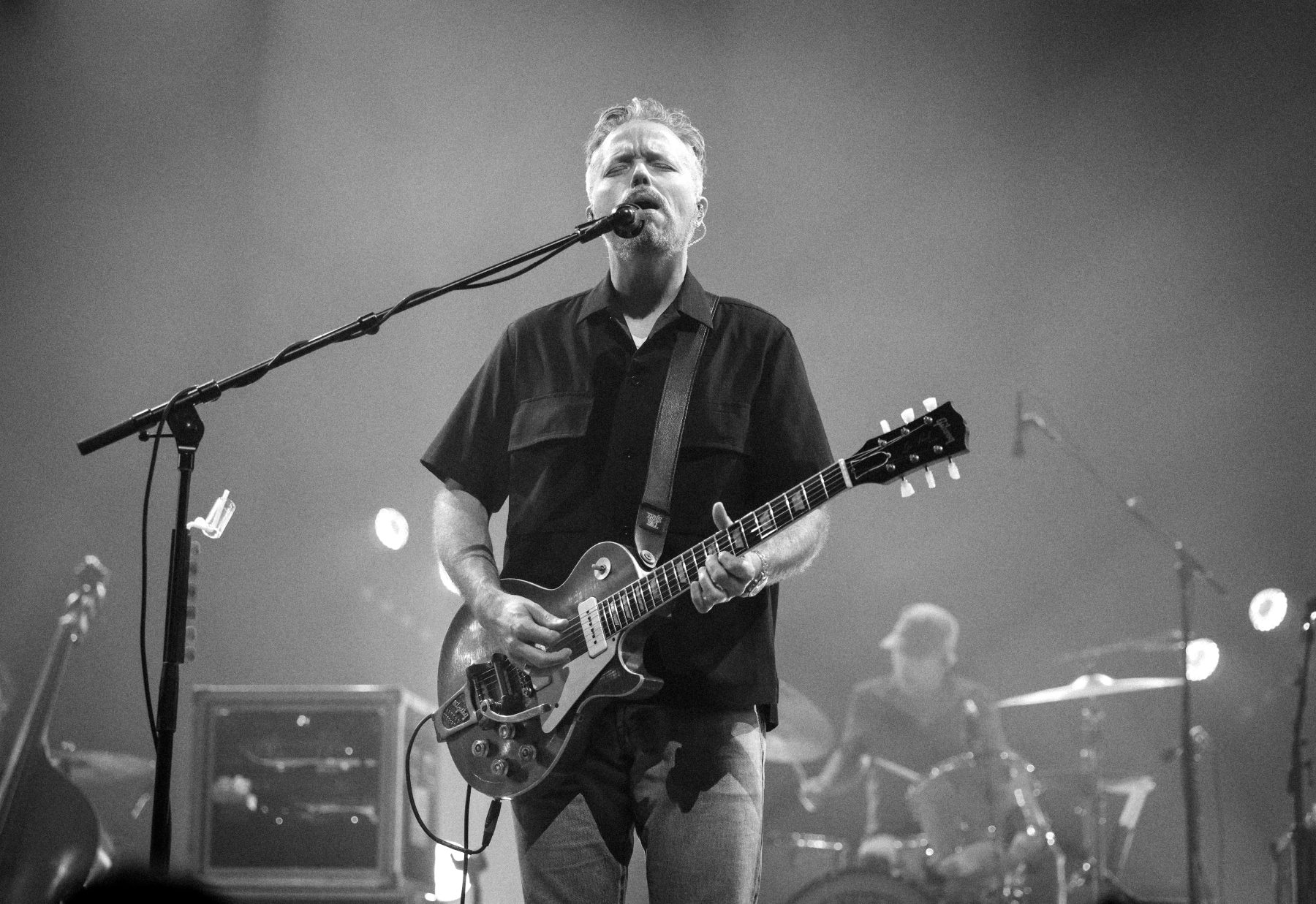
Suno, an artificial intelligence (AI) music company, has asked a judge to dismiss a lawsuit by Jason Isbell that accuses it of appropriating artists’ identities. In its first major response, the company argues that using an artist’s name to describe a sound is lawful.
The lawsuit#
Isbell sued in August, alleging that Suno lets users “conjure up a beloved musician’s identity” by entering a name as a prompt in its AI song generator. The case concerns an artist’s likeness rights, which distinguishes it from earlier suits against AI developers over the use of copyrighted music to train models.
The complaint was filed as a class action on behalf of what it describes as “millions” of other artists. Isbell and the other plaintiffs say Suno violated their likeness rights, also known as publicity rights, by encoding their musical personas as tokens in its AI model.
Suno already faces lawsuits from major music companies, which claim it infringed their federal copyrights by ingesting millions of songs to train its models. The likeness case relies instead on state laws in New York, California and Tennessee, among others, that protect a person’s name, image and likeness from commercial exploitation.
Suno’s arguments#
In a motion filed on Tuesday, Nov. 3, Suno’s lawyers say there is “nothing unlawful” about using an artist’s name to describe music. They compare it to a human musician saying, “let’s go for something here with more of a Jason Isbell vibe.”
“When people describe styles of music, they often use artists’ names as shorthand for the genre they perform in,” the lawyers write. “This case turns on the premise that the law somehow condemns that universal practice. In reality it does not; the First Amendment would not allow it to.”
The motion asks the judge to dismiss the case immediately. It argues that the lawsuit targets “ubiquitous methods of communicating ideas” and would harm the “creative and cultural ecosystem” if allowed to proceed.
Suno’s lawyers make several points:
- Using a real person’s name as “shorthand to convey information about the genre that they want to create in” has not historically violated state-law likeness rights.
- Building a tool that recognizes such references and acts on them does not, in their view, violate the law.
- A ruling to the contrary would conflict with the First Amendment’s protection of free speech.
- Even if likeness rights applied in this way, federal “preemption” would bar the claims. Preemption is a legal doctrine under which state-level claims that interfere with existing federal law cannot proceed.
How the platform handles artist names#
Suno says it does not allow users to prompt its AI model with specific artist names. When a user enters one, the platform says it translates the request into “descriptive musical characteristics” that guide the model in generating a song. A prompt for “Duran Duran,” for example, might be redirected to “New wave, Synth-pop, Pop rock.”
Isbell’s lawsuit contends that these safeguards are faulty and can be bypassed by inserting spaces, such as “t a y l o r s w i f t” for Taylor Swift or “b a d b u n n y” for Bad Bunny. It also argues that the model still exploits an artist’s identity even after a name has been translated into musical styles.
Suno’s lawyers argue that a ruling against it would violate the First Amendment. They write that “the law does not prevent people from using names to find or describe information, nor does it prevent building a tool capable of recognizing those references and acting on the information they supply.”
Suno also argues that allowing artists to assert state-level likeness rights in this way would overlap too much with federal copyright protections for creative works. It cites Congress’s decision not to grant intellectual property protection to an artistic style, a choice it says was made “precisely to allow subsequent creators to build on the prior works of a genre.”
An attorney for Isbell did not immediately respond to a request for comment on Tuesday.