

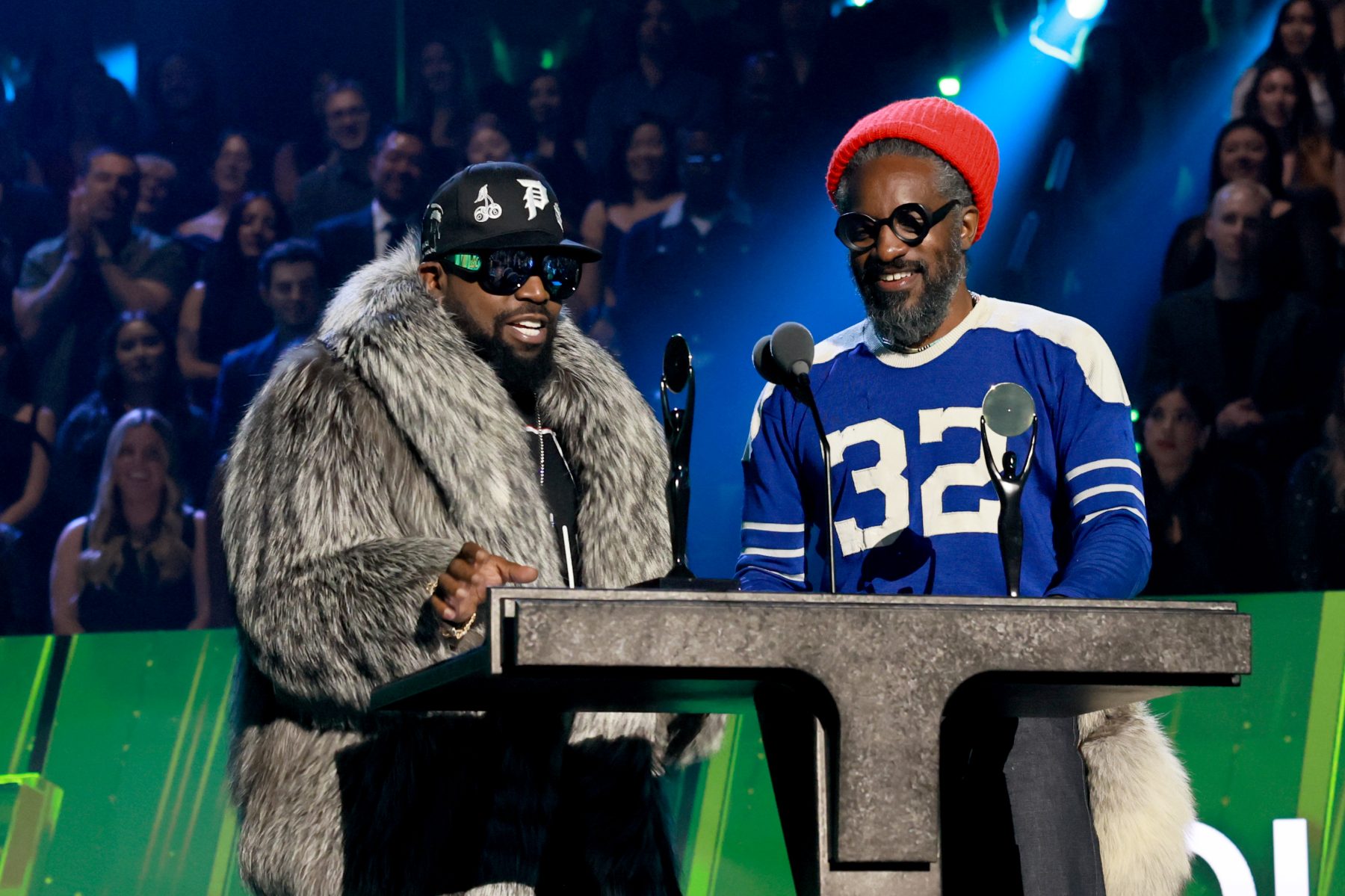
The United States hip-hop duo Outkast has filed a federal trademark infringement lawsuit against California rapper and producer Ovrkast, claiming his stage name is nearly identical to the group’s name and that he broke an agreement to change it.
The lawsuit, filed last week in Atlanta federal court, names Silas Wilson, who performs as Ovrkast, as the defendant. Attorneys for André 3000 and Big Boi allege Wilson "knowingly, willfully, intentionally, and maliciously" sought to associate himself with Outkast.
In a complaint dated Sept. 16, the duo’s lawyers state: "Defendant’s unauthorized use of the nearly identical Ovrkast mark has already damaged and will continue to damage plaintiff."
Settlement agreement and alleged breach#
Outkast’s legal team says it sent Wilson a cease-and-desist more than a year ago demanding he change the name. After negotiations, Wilson agreed to adopt the name Overkxst, which the duo approved. But earlier this year, the complaint alleges, he refused to make the switch when required.
"Defendant continues to use the Ovrkast mark with knowledge of plaintiff’s rights in the famous Outkast mark, with knowledge that consumers associate Ovrkast with Outkast, and with knowledge that doing so is in breach of the Settlement Agreement," the group’s lawyers write.
Prior trademark enforcement#
In 2023, the duo sued an electronic dance music duo called ATLiens over use of the same name as an Outkast song. That case settled in February on confidential terms.
Confusion evidence#
In an Instagram post on Tuesday, Sept. 22, Ovrkast wrote: "I thought it was love?" He tagged both André 3000 and Big Boi in the caption and added: "(yes this is real)."
In an interview last year, Wilson said fans have confused the two names.
"The worst thing I get is like, ‘The n**** think he Outkast.’ It’s like, ‘No, bro. I wasn’t even thinking about Outkast’. Mad N****s do that shit. They read Ovrkast [as] Outkast. They’re like, oh my God, I thought they said Outkast. And it’s like, it don’t, so…"
Outkast’s lawyers cited that statement as evidence of actual confusion, a key factor in trademark cases. "Defendant’s very own statement confirms that consumers have read, perceived, and understood Ovrkast as Outkast," the complaint states. "Defendant’s continued use of the Ovrkast mark therefore will continue to cause further confusion, mistake, and deception among consumers."