
The loudest Afrobeats stories this week were not about a song or a feud. They were about a split screen: one side shows African artists taking bigger global stages, the other shows the industry failing to count and pay what those stages generate.
Burna Boy will headline the NFL Paris game halftime show, Llona has booked his first UK show, and South Africa’s Skye Wanda has signed with Mayonie Productions. Meanwhile, Afrobeats Wire’s own 50-artist Spotify panel missed 1,497,512 African chart streams in a single day, and South Africa’s own Spotify chart paid mostly non-African artists.
The stage is scaling faster than the spreadsheet#
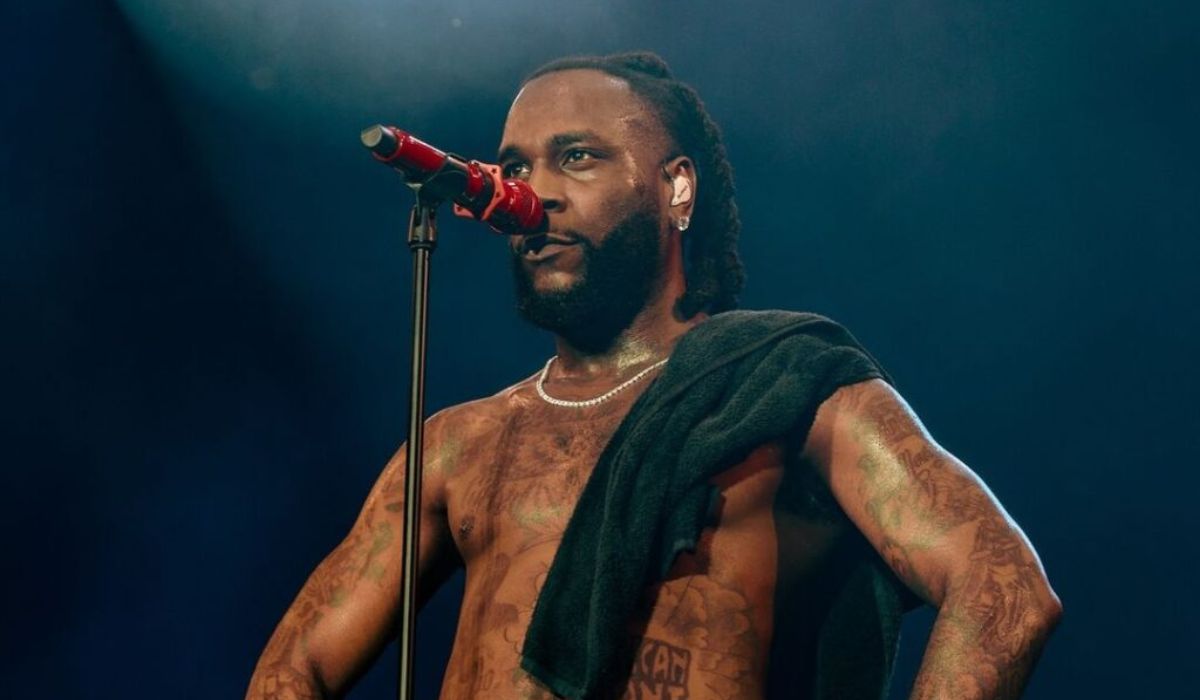
Consider the outward momentum. Burna Boy will headline the halftime show at the 2026 NFL Paris Game in France, a slot that puts African music in front of a non-African audience that does not need a playlist to find him. Llona will headline Culture Fest: London 2026 on October 1, marking his first UK performance, the kind of export moment that used to take years of label machinery. South African singer-songwriter Skye Wanda has signed with Mayonie Productions, the company founded by Zakes Bantwini, signalling that local infrastructure is also producing new frontline artists.

Now look at the count. Afrobeats Wire’s own 50-artist Spotify panel, the dataset behind this desk’s ranking of which African artists chart globally, missed 1,497,512 African chart streams on 17 September. The miss was three times worse in the export column. That is not an artist discovery problem; it is a measurement failure inside the very tools used to argue that African music is rising.
Even where the data is visible, the money does not follow the listener. South Africa’s own Spotify chart moved $13,276.87 in gross value on 17 September 2026, priced at Duetti’s published global rate of $3.00 per 1,000 streams, and that chart pays mostly non-African artists. The local audience is generating value, but the beneficiaries are largely elsewhere.
Ownership is becoming the only receipt that matters#
In an environment where charts and payouts cannot be trusted, the artists who control their own corporate structures have an advantage. UK Companies House records show Burna Boy, born Damini Ebunoluwa Ogulu, holding 75 per cent or more of the shares and votes in Spaceship Incorporated, the company named on his own masters. That is not a vanity move; it is a legal claim on the master income that others are still fighting to see.
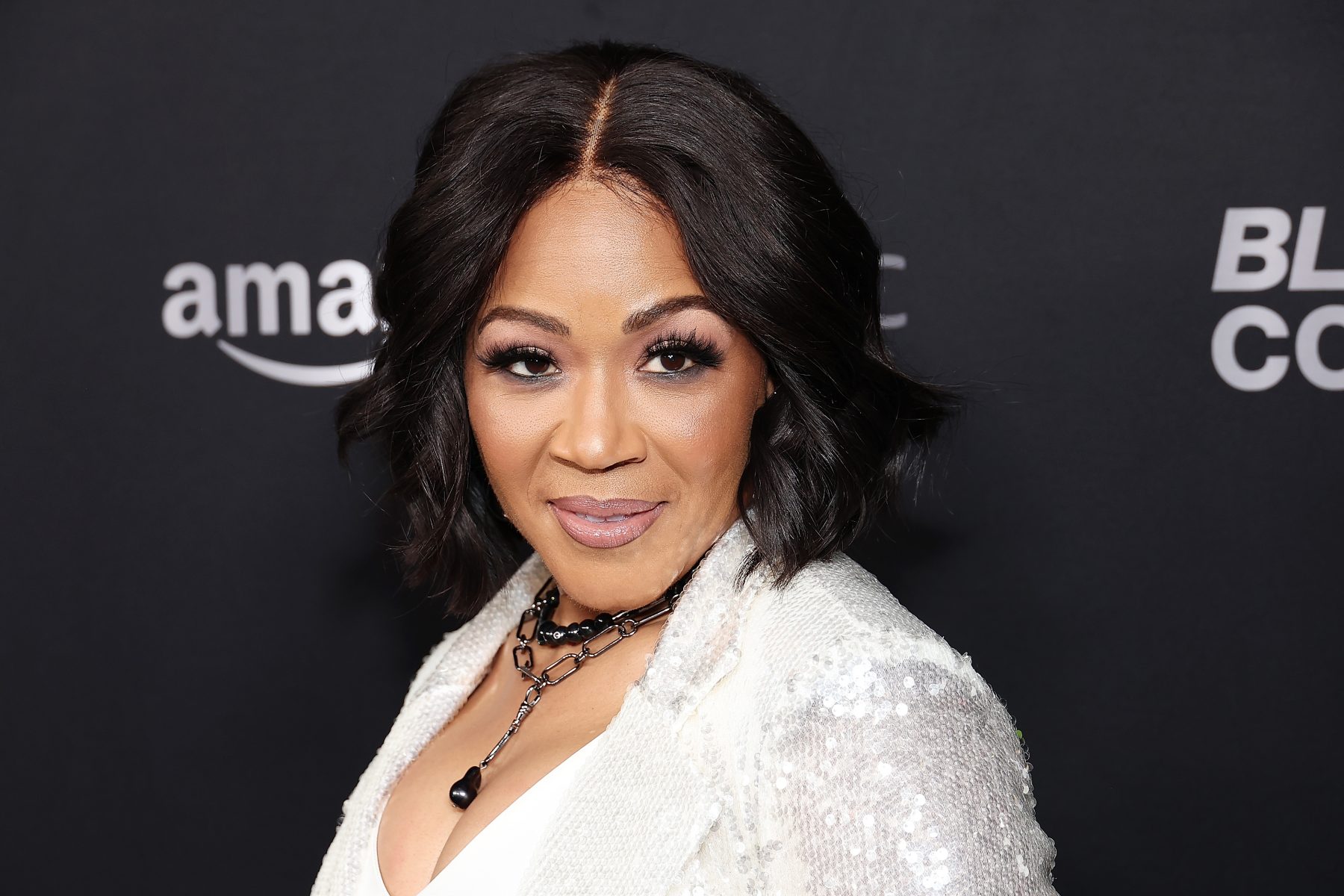
For artists without that structure, the fight is slower and more expensive. My Block Inc. has filed a breach of contract lawsuit against SRG/ILS Group over royalty accounting for Erica Campbell’s 2023 album I Love You. A gospel star with a major catalogue still has to sue to get an accounting. If that is the standard, emerging African acts should assume no one will volunteer the numbers.
Two new ventures are responding to that gap. Music royalty platform Notes.fm has raised $5 million from artists and industry leaders to scale marketing and expand internationally, aiming to help artists recover lost royalties. Rundown has launched a release management platform to help music managers log credits, split sheets and distribution requirements from the first recording session. These are not chart fixes; they are receipt fixes.
The per-stream rate is a slow leak, not a glitch#
Even perfect counting would not solve the underlying economics. Between 2021 and 2024, not one of the four platforms Duetti tracks every year paid more per 1,000 streams than it did at the start. Spotify’s measured rate, like the others, moved only one way over that period. African artists are being asked to scale their audiences while the unit price of each stream quietly declines.
Combine that with the South Africa chart number. If a full national chart day is worth $13,276.87 in gross value at a global rate, and most of it goes to non-African artists, then the local industry is not just undercounted; it is structurally underpaid before any royalty split begins.
This is why the ownership stories matter more than the stage stories. A halftime show is a moment. A 75 per cent stake in the company named on your masters is a system.
What this means for artists#
The lesson of this week is not to chase bigger stages and ignore the ledger. The stages are coming faster than the accounting, and the gap is where money disappears.
- Register your ownership entity before you release, not after a hit. If you do not know who owns the company named on your masters, find out now.
- Log credits, split sheets and distribution requirements from the first session. A platform like Rundown exists because managers keep losing these documents.
- Treat royalty recovery as a budget line. If a $5 million company is being built to find lost royalties, assume some of yours are lost.
- Do not confuse chart visibility with income. A panel can miss 1.5 million of your streams in a day, and a national chart can pay mostly non-African artists.
- Read your label and distributor statements as legal documents, not summaries. My Block Inc. is suing over an album from 2023; your catalogue is not safer.
African music is no longer asking for a seat at the table. It is headlining the NFL in Paris and playing London. The next fight is not for attention; it is for the receipt.