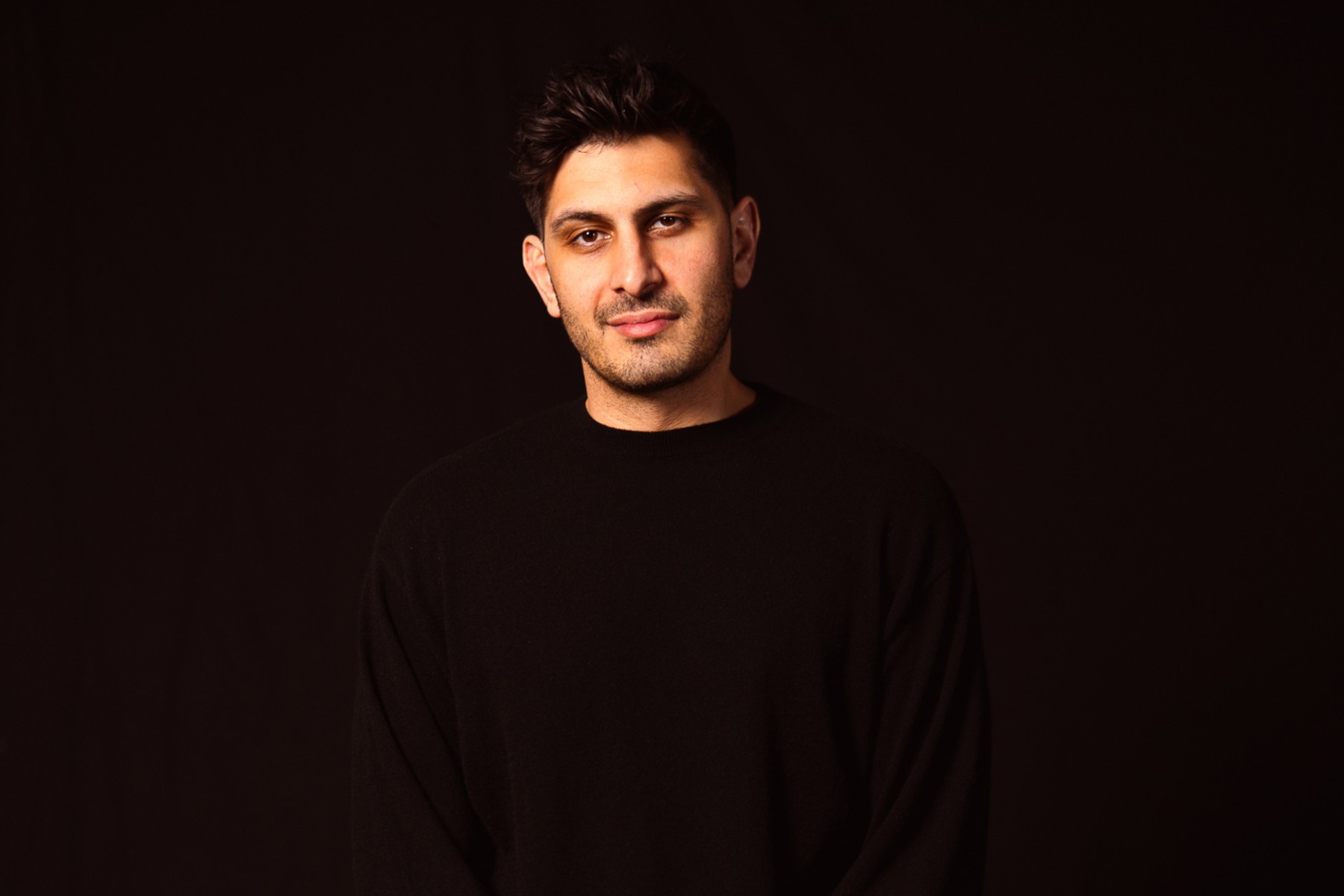

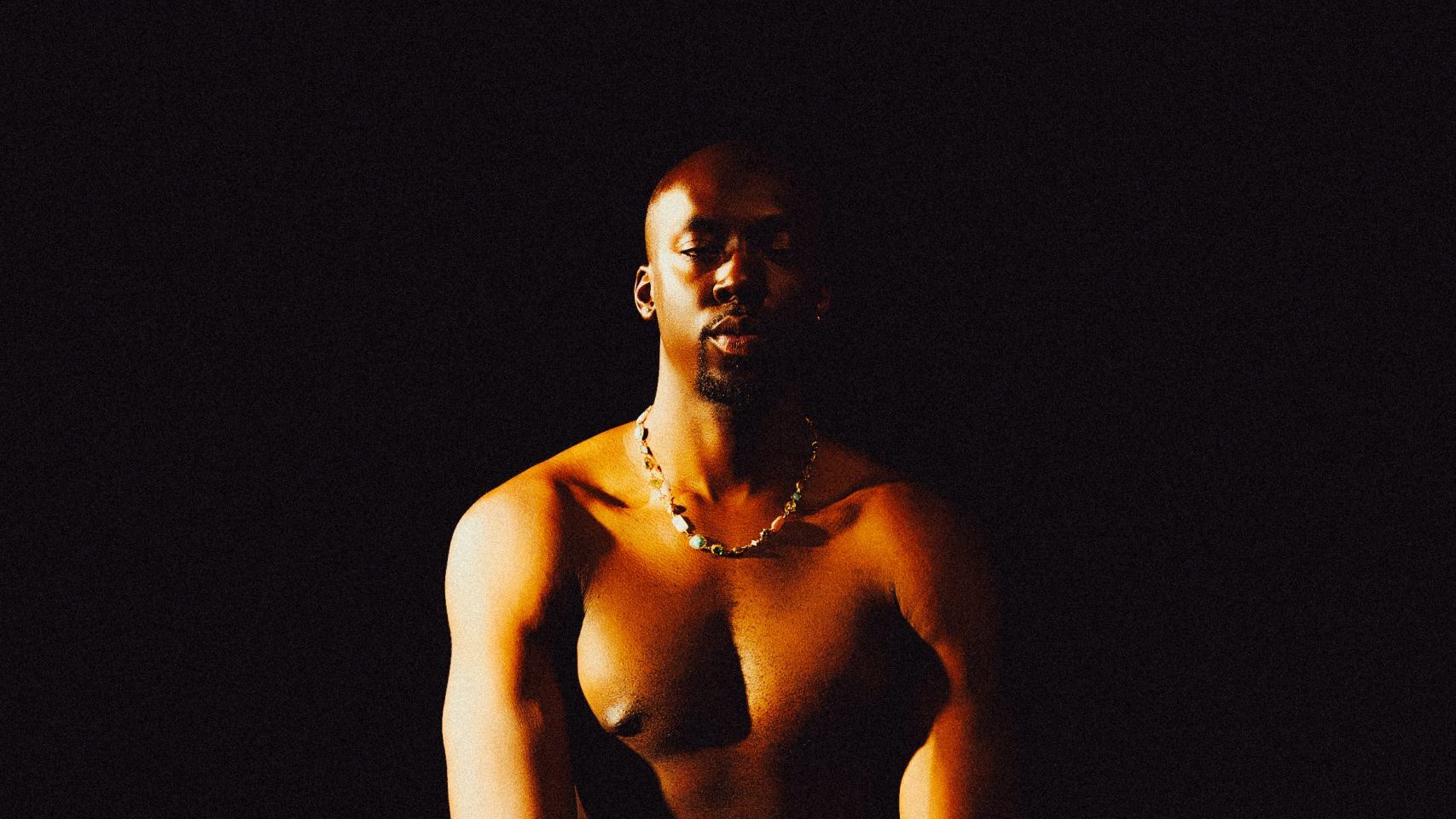
Osa, a New York, United States-based artist and founder of the More Good Music movement (MGM), has released Feels, an EP he describes as his most personal and most collaborative project to date. Osa, who balances music with a full-time job in healthcare insurance and works with a small, self-taught team, said the record draws on Afrobeats influences and African rhythms he grew up around and features collaborators selected for their vocal texture.
From a basketball game to a music career#
Osa traces his move into music to the summer of 2020. He was playing basketball with his current manager, VZN, who invited him to meet music contacts in another state.
“At first I wasn’t sure, because up until then it had just been something I did by myself in my room,” Osa said. “But I went, and I met people I still work with in music today. That experience made me want to pursue it more intentionally.”
He said the branding around projects by Amaarae and Odunsi (The Engine) also shaped his interest in rollout and branding within music. Amaarae’s The Angel You Don’t Know, which includes “Fancy” and “Trust Fund Baby”, and Odunsi (The Engine)’s Everything You Heard Is True were particular reference points.
What ‘Tell a Friend’ means#
The phrase began as a hashtag while promoting one of his releases. After his manager encouraged him to lean into it, Osa printed it on a shirt at a friend’s printing press and posted about it.
“People started asking for their own shirts, and from there it grew into Tell a Friend,” he said.
Most recently, he said he told a friend about YKB’s music.
Making Feels#
Osa said Feels moves through falling, losing yourself, and finding your way back, drawing on different periods and events rather than one specific relationship.
He described the project as both personal and collaborative, saying each producer and featured artist is someone he has built a relationship with over time.
“As long as I’m honest and intentional, I don’t think I lose that personal perspective,” he said. “I also wanted to bring in their own perspective on the direction of the songs.”
Vocal texture guided the choice of collaborators. Aema was the most surprising, Osa said, because she recorded her verse last minute as the project was closing out.
Early lessons and influences#
Osa said one mistake he would tell new artists to avoid is failing to settle split sheets early when collaborating.
“It wasn’t really an issue, since splits are usually fair and reasonable, but not having it settled early caused some unnecessary drama,” he said.
He grew up hearing Fuji music on weekends and at family events, which he said may have subconsciously shaped his sound. He remains immersed in African and Nigerian culture despite being based in the United States.
“I don’t feel a distance when I’m creating,” he said. “It feels innate at this point.”
Country music is one genre he has not connected with. “I don’t feel much of anything toward country music, honestly. Just indifference,” he said.
Osa also said he initially assumed every artist had a team, but for much of his career it was just him and his manager figuring things out. “There are more hands on deck now, though,” he added.