


At its simplest, it gives us a way to see which compositions, recordings, performances and creative choices helped shape an AI-generated result. That visibility can provide a foundation for credit, consent, licensing and payment, allowing artists to explore new tools without losing the connection between their work and what comes next.
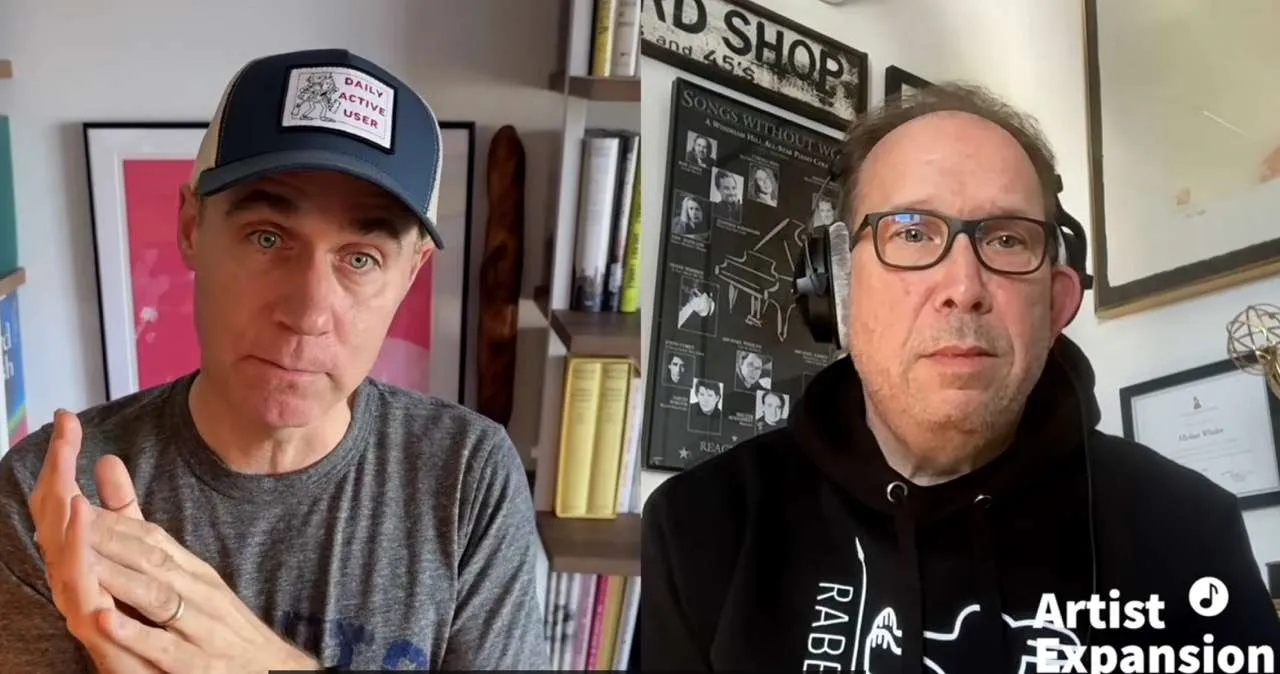
My interview with Benji Rogers is a gentle primer on attribution and the wider world it could open for artists. Our conversation looks at how attribution works, why reliable rights data matters and what it could make possible: more transparent uses of music, new forms of collaboration, stronger protection for creative identity and new economic opportunities. The field is still developing, but understanding it gives artists a chance to help shape the system rather than simply react after it has been built.
I want artists to understand this subject well enough to question it, challenge its promises and recognize its possibilities. Our interview is a gentle primer: what attribution means, why reliable rights data matters and what these systems might eventually make possible. That could include new collaborations, new sources of income and greater visibility into how our work is being used. None of those outcomes is automatic. Identifying a contribution still leaves the questions of who authorizes its use, who gets paid and who decides what it is worth.
I also believe the changes surrounding AI and attribution could fundamentally reshape—perhaps even END—the music business as we have known it. The structures through which we establish ownership, negotiate permission and earn a living may change profoundly. Artists deserve a meaningful role in those decisions.
Given the torrent of technology and its ramifications on artists, I understand the impulse to disengage. People who have spent decades learning an already difficult business are being asked to absorb another vocabulary, another technology and another set of promises. The exhaustion is real. So is the suspicion.
I feel both. But given who I am and the work I do, I don’t feel I have the luxury of stepping away. I need to understand what is being built and help other artists find their footing while there is still an opportunity to influence it. This conversation with Benji is my first step into that territory. I hope you’ll watch it, sit with the questions and bring your own skepticism and imagination to what comes next.
My next article on the subject of attribution may move away from the gentle tone of this conversation standing in the ethical based AI that Benji has championed to the fear and anxiety that the Artificial Intelligence explosion that so many artists are living daily.
