

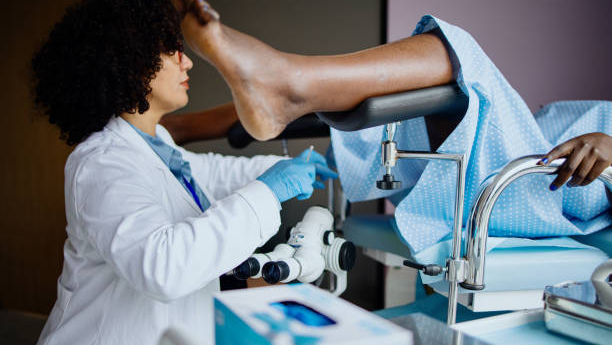
A debate on Nigerian Twitter over pap smear pain has drawn responses from patients and doctors in Nigeria, with medical research and personal accounts showing that experiences vary and that reported pain should be taken seriously.
Research on pain and gender#
A 2024 study in the Proceedings of the National Academy of Sciences reviewed more than 21,000 emergency room records across two countries and found that women were treated differently from men when reporting pain, regardless of the treating doctor’s gender. Women were less likely to have their pain scored on arrival, waited longer to be seen, and were less likely to leave with pain medication. Even when nurses assessed pain directly, the same complaint from a woman was rated as less severe than from a man.
A 2001 report, “The Girl Who Cried Pain,” found a similar pattern over decades: women report more pain than men and are more likely to have that pain dismissed as emotional rather than physical.

Patient experiences#
T, who has not had a pap smear, said the online conversation has shaped her expectations. “I do think doctors can be quite dismissive when it comes to gynaecological procedures and women’s concerns generally,” she said.
L, who had the procedure days before being interviewed, described it as invasive but not painful. “It wasn’t painful; it was invasive, a little uncomfortable, but nothing painful at all,” she said. “It was generally a good experience because the doctor was careful and explained the process.”
L said she told her doctor she was scared because of the online discussions. “I told the doctor I was scared because of the conversations, and she took her time to explain everything, and was more patient and careful with the procedure because of it,” she said.
Doctors: pain is subjective#
The doctors interviewed did not defend the profession outright; they pushed back on the idea that anyone can define pain for someone else. Dr Aisha said pain cannot be defined for another person. “Pain is highly subjective, so I don’t even know why that’s a conversation,” she said. “Why do you think it’s okay to define what’s painful or uncomfortable for someone else, whatever their experience? It’s valid. Two truths can coexist: it can be uncomfortable, it can be painful, and it can still be necessary.”
She added that her own smears have not been painful, but that does not invalidate other accounts. “That doesn’t mean someone who says they experienced pain is lying. Pain is subjective, situations are different, and everyone is allowed to feel what they feel.”
Dr Ife, who has also had the procedure, called it uncomfortable rather than painful. “Having a speculum put up there is not a very pleasant experience,” she said. “The stranger part was feeling the brush go up past my cervix; that was odd, but quick.”
She said pain can occur for others and should be believed. “It can absolutely be painful for other people, and it depends on what’s being looked for too. There’s no one size fits all. And if someone says it’s painful, you have to believe them.”
Dr Ife listed practical options for patients:
- asking for a smaller speculum
- taking pain relief beforehand
- requesting gas and air, a mix of oxygen and nitrous oxide used in some procedures in the United Kingdom, where she practises
Why pain varies#
Dr Adeoluwa said, “A pap smear isn’t expected to be painful, even though it’s possible,” and added that disregarding patient experiences would be unfair. “It would be unfair to disregard people’s experiences, because there are situations where it can come with real pain.”
He said anxiety can cause involuntary tensing, making the exam harder, especially for people with past trauma. Other factors include:
- vaginal dryness
- vaginismus
- endometriosis
- an undetected infection
His advice was direct: “If a woman experiences pain during the procedure, she should speak up.”
Asked separately, the three doctors made similar points: pain is real, it varies, no one person’s tolerance is the standard, and a patient who reports pain should be believed. Their comments do not rule out dismissive care; the research and patient accounts indicate it occurs. The gap is less about belief and more about whether that belief consistently reaches the examination room.
What a pap smear involves#
A doctor uses a speculum to see the cervix and takes a small sample of cells with a soft brush. Those cells are checked for early changes linked to human papillomavirus (HPV), before they can develop into cervical cancer. The test is not diagnosing cancer; it is meant to catch a slow process while it is still easy to treat.
Nigeria’s cervical cancer burden#
Cervical cancer is the second most common cancer among women in Nigeria and the second leading cause of cancer death among women in Nigeria.