

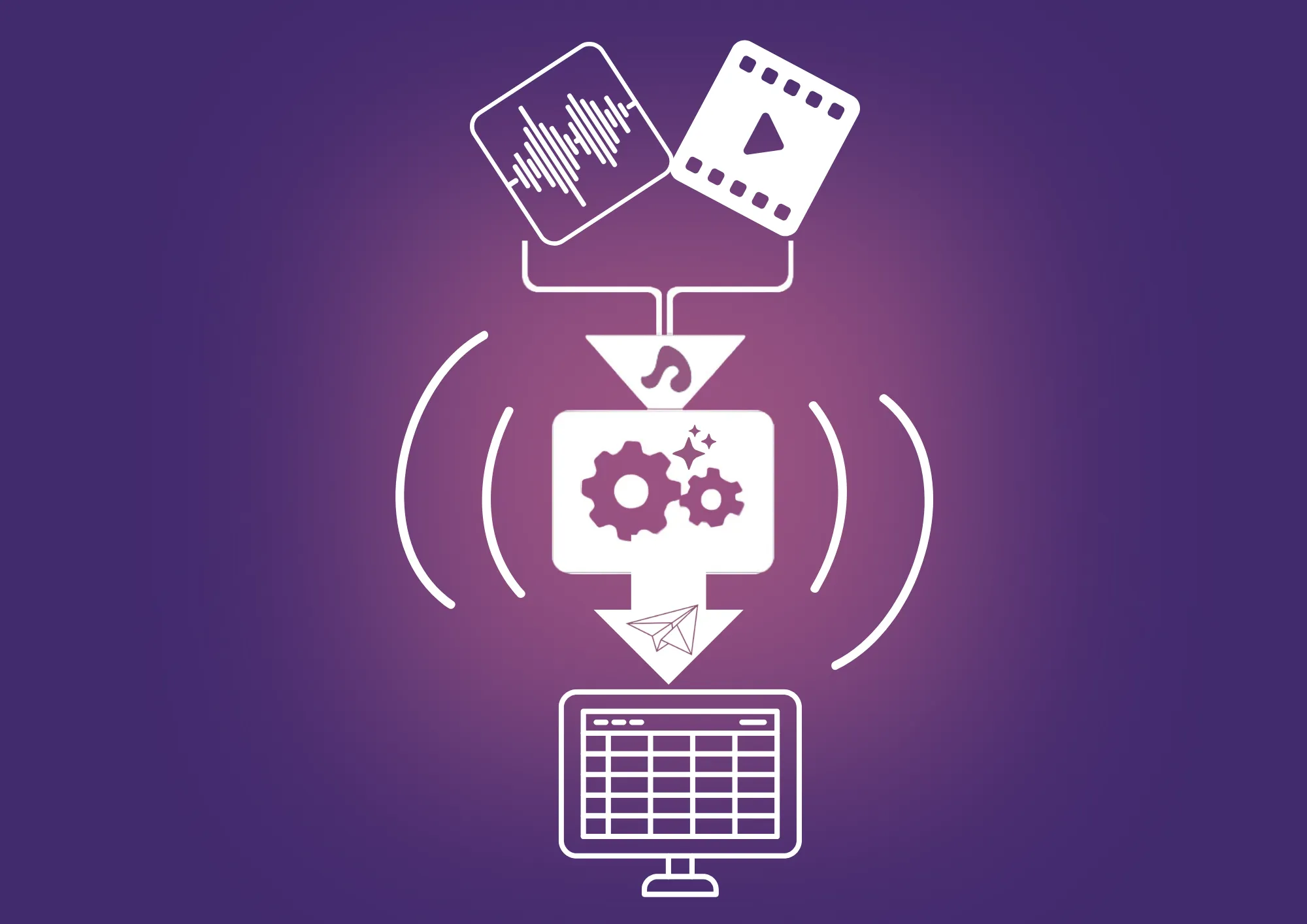
Music Reports is integrating AudioShake‘s automatic content recognition (ACR) technology with its Cuetrak cue sheet reporting platform to automate music identification in audiovisual content and reduce misdirected royalties.
Accurate cue sheets determine which rights holders are paid when music appears in television, film, streaming, sports, video games, podcasts, fitness programming, social video, and archival catalogs. When a cue is missed, a duration is wrong, or a track is not recognized, royalties can be paid to the wrong parties.
The limits of manual cue sheet workflows#
Manual cue sheet creation was not designed for current content volumes. A two-hour broadcast can contain hundreds of cues, and a single short-form video channel can hold thousands of music-bearing pieces.
Before a cue sheet can be built, someone must identify which recordings are present, when they start, how long they play, and which copyright holders own them. That work becomes harder when music sits under dialogue, crowd noise, live commentary, or exists in archival reels with little usable metadata.
“A two-hour broadcast can contain hundreds of music cues, and until now, someone had to find each one manually,” said Jason Walker, Chief Executive Officer of Music Reports. “Accurate cue sheets are getting more attention across every content channel, social, live streams, TV, and podcasts, which means keeping up with music identification at that scale. Our detection and identification models hear the music inside any mix, even noisy or unlabeled content, and hand it to Cuetrak to build the cue sheet so the right publishers get paid for their work.”
“Cue sheets are only as good as the data behind them, and identifying the recordings inside a piece of content has always been the hardest part of that work,” Walker continued. “With AudioShake, a Cuetrak user can upload a file and start from an accurate picture of what’s actually in it, which means faster, more complete reporting and fewer misdirected royalties.”
How the integration works#
The combined workflow uses AudioShake’s ACR to detect and recognize music within complex audio, then passes that data to Cuetrak to generate cue sheets. This reduces time spent locating buried cues and shifts effort toward validating results, resolving exceptions, and preparing rights data for reporting.
The approach also supports back catalog projects, unfamiliar content libraries, and programming with dense music use, according to Music Reports.
Supported content types#
The platform is designed to handle music reporting across multiple audiovisual formats, including:
- Television
- Film
- Streaming
- Sports
- Video games
- Podcasts
- Fitness content
- Archival catalogs
- Other audiovisual music-bearing formats
Each format has its own reporting complications, but all require dependable metadata so rights holders are paid accurately and on time.
Cue sheets remain essential infrastructure for accurate music rights reporting. By combining AudioShake’s ACR with Cuetrak’s cue sheet reporting, Music Reports aims to make cue sheet creation faster, more complete, and more efficient for publishers awaiting payment.