
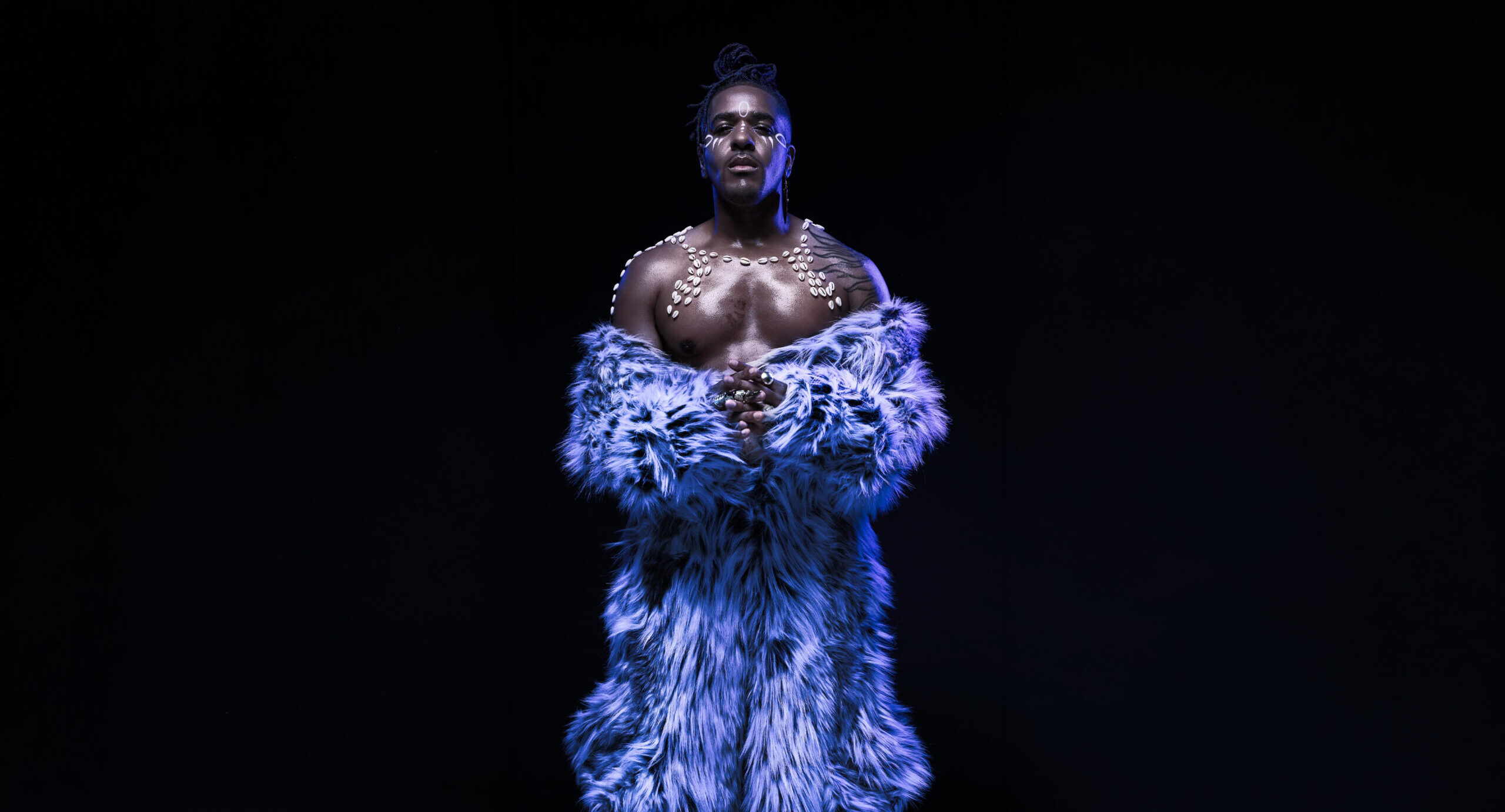
Matt B, a Chicago-born filmmaker and musician, has released “My Mother’s Song”, a single that traces his Nigerian Igbo ancestry and the wider West African diaspora. The track arrived on 7 August 2026, ahead of Alkebulan III: The Water Remembers, the third instalment in his Alkebulan series, which was released on 21 August.
Ancestry and the Alkebulan series#
The Alkebulan series grew out of Matt B’s research into his African ancestry. Using genealogical research and DNA testing, he traced his roots to West Africa, particularly Nigeria, and identified a connection to the Igbo people.
“All of the things that our ancestors have been through are within us,” Matt B said. “We hold on to it and it shines through us. For me, I believe it’s in a positive way and that those spirits help to guide us. Which is why for the music that I’m doing now, I felt like I was called or led to it.”
Ghana and the “Door of Return”#
A significant part of that journey was a visit to Ghana’s Cape Coast, including the site commonly known as the “Door of No Return”. The site forms part of the history of the transatlantic slave trade and has become a place of remembrance for members of the African diaspora.
Reflecting on the site, Matt B said: “I wasn’t walking through my door of no return, I was walking through my door of return.”
He also visited the Assin Manso river, historically associated with the final bathing of enslaved Africans before their forced movement towards the coast. “When I made it to that river, I was not taking my last bath, I was taking my first bath to be ushered back into the continent and to be embraced by my ancestors,” he said.
His reconnection with his heritage was also marked by a traditional title and name. His Royal Majesty Eze Engr Chidume Okoro bestowed on him the Igbo name Ikechukwu, meaning “strength of God”, and gave him the title Chief Ahamefula, meaning “May my name not be forgotten”.
The story behind “My Mother’s Song”#
The single centres on a story spanning several generations. Matt B says the song was inspired by the account of a young girl who was taken from Sierra Leone to the Americas during the transatlantic slave trade. According to his account, she retained a song taught to her by her mother and passed it through subsequent generations.
“The song was an idea from the 1700s,” he said. “A little girl was kidnapped from Sierra Leone when she was about 9 or 10 years old and taken to the Americas through the middle passage. She held on to a song that her mother taught her and passed it down from generation to generation. Almost 300 years later, her descendants used that song to find their way back home to the exact tribe their ancestor was taken from, using that exact song.”
The narrative informs the song’s themes of endurance, separation and remembrance. Its lyrics speak of missing family members while maintaining the resolve to survive, with a recurring message centred on remembering one’s origins.
Collaborators and film#
- Fatoumata Diawara, a Grammy-nominated Malian singer, voices the mother in the song’s narrative.
- The Royal Philharmonic Orchestra contributes to the track, reinforcing its cinematic character.
- West African producers and songwriters Matte ‘Tarley’ Shahidu and Buguma ‘Ghost’ Mark worked on the recordings’ linguistic and cultural authenticity.
“I worked extremely hard to try and emulate the accent as closely as I possibly could,” Matt B said. “It was a way of showing respect to the music and showing respect to the ancestors.”
That multidisciplinary approach extends to the wider Alkebulan project. Matt B and his team have travelled across parts of Africa to document the journey visually, with a short film accompanying Alkebulan III: The Water Remembers.
The single frames ancestry as something that can continue to shape identity across generations. With “My Mother’s Song” serving as an introduction to the next chapter of Alkebulan, The Water Remembers is set to continue that exploration through music, film and the stories connecting Africa with its diaspora.