
A federal murder-for-hire trial against rapper Lil Durk opened in Los Angeles. The case was among several United States music law developments this week, including a trademark suit against Netflix over KPop Demon Hunters and a ruling denying Bad Bunny recovery of legal costs.
Lil Durk trial opens in Los Angeles#
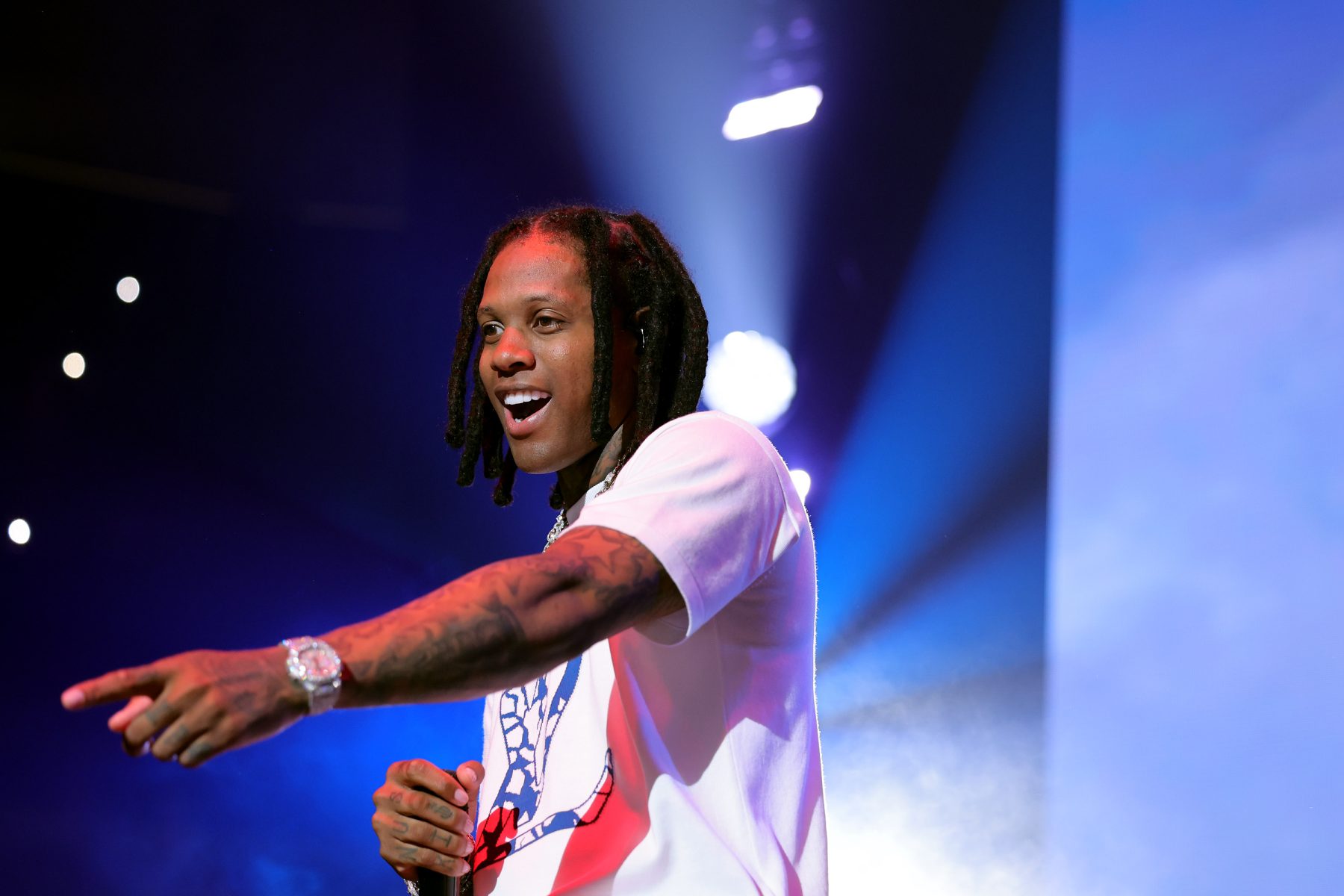
Two years after he was indicted on murder-for-hire charges, Lil Durk went to trial in a Los Angeles federal courtroom. Prosecutors told jurors that the rapper put out a hit on rival Quando Rondo after becoming “consumed with revenge.”
Durk is accused of ordering members of his Only the Family (OTF) label crew to kill Rondo in retaliation for the 2020 killing of his close friend and collaborator King Von. Rondo was shot at a Los Angeles gas station in 2022 and survived, but another man known as Lul Pab was killed in the crossfire.
In opening statements, Durk’s defense team pointed to co-defendant Kavon “Vonnie” Grant. They said Grant had access to Durk’s credit cards and framed him once he was caught: “He thought, ‘Oh man, I’ve got an insurance policy,’” Durk’s attorney told the jury. “I’ve got a big fish I can give them.”
The first day also featured argument over a prosecutor’s decision to use Durk’s rap lyrics as evidence.
Other music law developments#
- Netflix was hit with a trademark lawsuit over KPop Demon Hunters, filed by a Christian metal band that has used the name Demon Hunter for decades.
- Bad Bunny will not be repaid the $500,000 he spent beating a copyright lawsuit over a sample on Un Verano Sin Ti after a judge ruled that such a penalty was unwarranted and “would send the wrong message.”
- A settlement was reached in a lawsuit filed over Rihanna’s Smurfs movie song, a case that claimed Paramount never paid a songwriter for writing it because it was “mad” at the star for budget overruns.
- A California appeals court ruled that a woman who was scammed out of more than $300,000 by a Kenny Chesney impersonator cannot sue the country superstar.
- Ariana Grande won a court order allowing her to subpoena online platforms so that she can unmask the identities of hackers who she says have leaked her unreleased content.
- Sony Music filed a copyright case against Kroger claiming it illegally used songs by Harry Styles, SZA and other stars in TikTok and Instagram posts, the latest in a flood of such cases.
- A judge ruled Chris Brown must pay money from his R&B Tour concerts with Usher to an ex-housekeeper who won a $13 million verdict after she was mauled by the singer’s dog.
- Robert Clivillés, one of the co-founders of C+C Music Factory, sued rapper Freedom Williams over control of the 1990s dance group’s name.
- The first week of the Tupac Shakur murder trial wrapped up after heated testimony and infamous recordings in which defendant Duane “Keffe D” Davis candidly discussed the shooting.
- Lady Gaga won a court ruling dismissing a lawsuit that claimed her Mayhem album infringed the trademarks of a surf company that sells a brand of Mayhem surfboards.
- FKA Twigs defeated trademark infringement claims over her stage name, with a judge ruling that an indie band named The Twigs forfeited its right to sue due to years of inaction.
- A judge refused to dismiss a copyright lawsuit filed against T.I. by hip-hop producer Sir Jinx over his work on the 2016 Dr. Dre collaboration “Dope.”
- Elton John and other celebrities were ordered to repay a £9.54 million ($13 million) legal bill following the loss of their United Kingdom hacking lawsuit against the Daily Mail.
- A California appeals court seemed inclined to affirm the dismissal of Jay-Z’s extortion and defamation lawsuit against personal injury attorney Tony Buzbee.
- Los Lobos reached a settlement with Sony Music to end a lawsuit over royalties for “Canción del Mariachi,” the band’s collaboration with Antonio Banderas from the 1995 Western Desperado.