
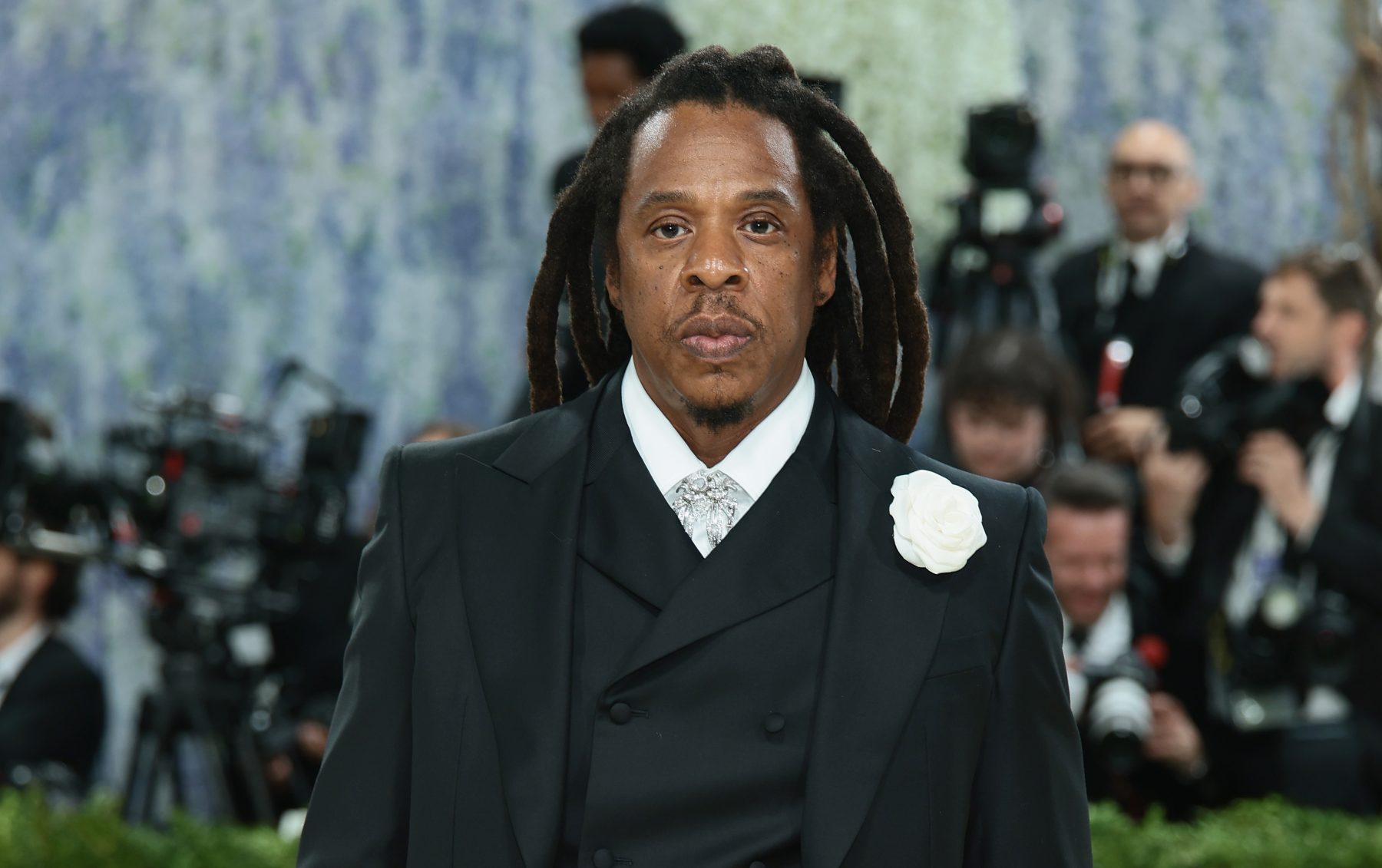
A California appeals court in the United States ruled Wednesday (Sept. 9) that Jay-Z cannot sue attorney Tony Buzbee for extortion or defamation over a 2024 lawsuit that accused the rapper of raping a 13-year-old girl.
The ruling from California’s Second Appellate District affirms a lower court decision that dismissed the case. Buzbee had accused Jay-Z, whose legal name is Shawn Carter, of raping a child alongside Sean “Diddy” Combs decades earlier, then dropped the lawsuit months later.
Appeals court reasoning#
In its decision, the appeals court said the record contained no evidence that Buzbee accused Carter of raping Jane Doe while knowing the statements were false or with reckless disregard for their truth.
“The record contains no evidence Buzbee accused Carter of raping Jane Doe while knowing those statements to be false or with reckless disregard as to whether they were true. To the contrary, Buzbee submitted declarations showing his firm’s … investigations led him to subjectively believe in the truth of the accusations.”
In a statement Thursday (Sept. 10), Buzbee said: “I said when the case was filed it was total bulls–t. The trial court dumped it and the appellate court affirmed. I’m now entitled to my fees and costs and I intend to get every red penny that I spent dealing with it.”
A spokesman for Jay-Z did not immediately return a request for comment.
Recorded interview and hearsay ruling#
Much of Jay-Z’s lawsuit centered on a recorded interview between private investigators and the anonymous accuser, in which the woman allegedly admitted the claims were false and said Buzbee had pressured her to lie. A lower judge ruled last year that the tape was inadmissible hearsay and refused to consider it as evidence.
The appeals court affirmed that ruling. The three-judge panel said Jane Doe could have felt pressured by the private investigators and made her statement out of fear that her name would be made public.
“Coupled with the fact that one of the investigators also told Jane Doe ‘if you cooperate and kind of tell us what’s going on, everything remains a Jane Doe,’ the court reasonably concluded Jane Doe felt she needed to cooperate and help Carter if she wanted to remain anonymous and not be sued.”
Background of the dispute#
Buzbee, who filed dozens of civil abuse cases against Combs, added Jay-Z to one of them in December 2024. The lawsuit claimed the two men drugged and assaulted a teenage girl in 2000 during an after-party following the MTV Video Music Awards.
Jay-Z called the lawsuit a “blackmail attempt” and said he would fight back. “You have made a terrible error in judgement thinking that all ‘celebrities’ are the same,” he said at the time. “I’m not from your world. I’m a young man who made it out of the project of Brooklyn. We don’t play these types of games.”
Weeks before those claims were filed, a then-anonymous Jay-Z had filed his own lawsuit against Buzbee, claiming the attorney was extorting him by threatening to release “wildly false horrific allegations” linked to Combs if he did not pay. That case led to Wednesday’s decision.
Buzbee’s original rape lawsuit was dropped in February 2025, less than three months after it named Jay-Z. Jay-Z said at the time that the “frivolous, fictitious and appalling allegations” could not be fully undone: “The trauma that my wife, my children, my loved ones and I have endured can never be dismissed.”
Lower court ruling and next steps#
Jay-Z continued to pursue the extortion and defamation case against Buzbee. Last summer, Judge Mark H. Epstein dismissed the case after refusing to consider the recorded interview.
On defamation, Judge Epstein ruled that Jay-Z could not show Buzbee acted with actual malice, meaning he knew or should have known his statements were false. On extortion, the judge said Buzbee was within his rights as a lawyer to demand a settlement payment before suing: “Selling silence for money in the civil context is not extortion; it is a settlement with a non-disclosure element.”
Wednesday’s appeals court ruling affirmed that decision, saying threat letters sent ahead of lawsuits are a normal part of the legal process and should not be treated as extortion.
“The evidence shows the Demand Letters related to litigation contemplated in good faith, Buzbee sent the Demand Letters to resolve his clients’ claims against Carter, and the communications bore a logical relation to the litigation threatened against Carter.”
Jay-Z is still pursuing a separate lawsuit for malicious prosecution in New York federal court, where Buzbee is scheduled to soon file a key motion to dismiss.