


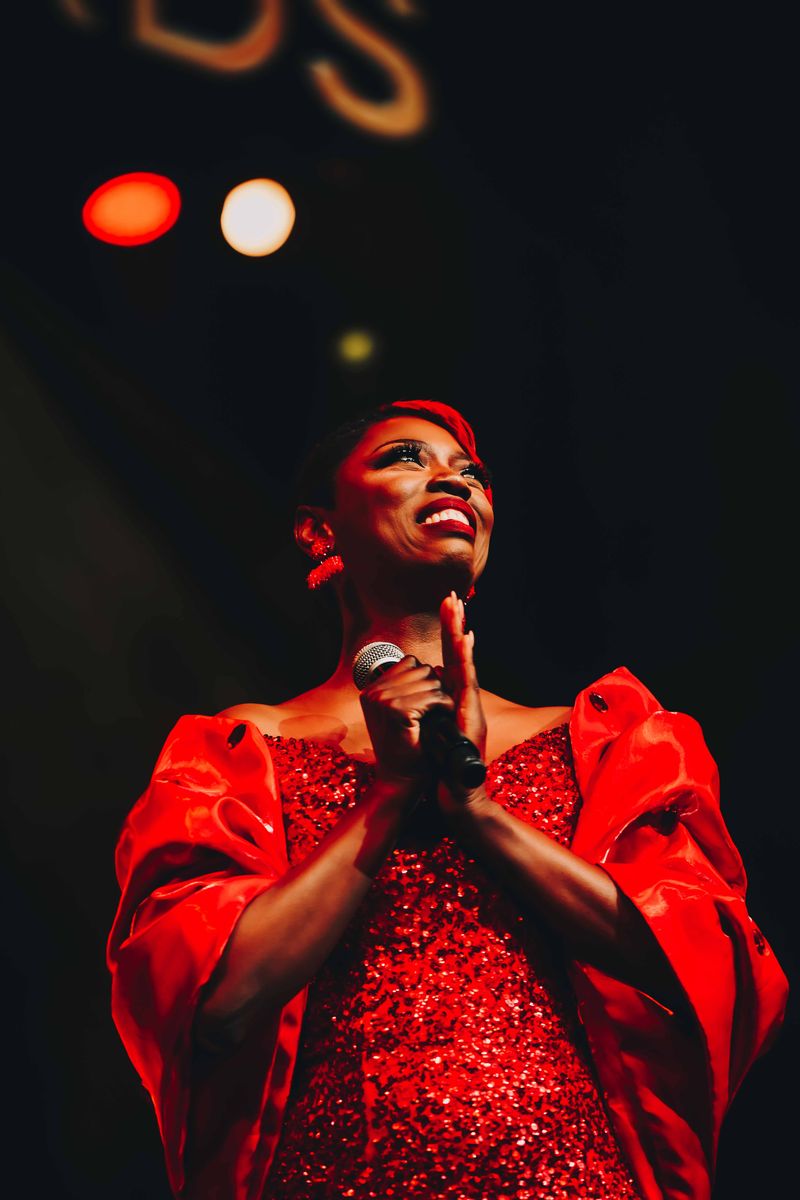
The Basadi in Music Awards (BIMAs) marked its fifth edition with a two-day programme at the Joburg Theatre in Johannesburg, South Africa, on 7 and 8 August 2026, during the country’s Women’s Month. The event brought together established artists, emerging talent and creative professionals around the advancement of women in music and entertainment.
The opening Gold Carpet was hosted by a rotating team of media personalities: Mutondini Mukodamani, Nina Hastie, Marcus Molemane and Thato Joy. The rotating hosting format reflected a recurring theme of collective effort in creating opportunities for women in the creative industries. Attendees included Minnie Dlamini and Lady Zamar.
Emerging artists and behind-the-scenes recognition#
The theatre foyer was used to showcase emerging artists, including:
- Inna G
- Witney
- Refilwe
- Bad Milk
- Sakhile
- Billion
- Money Badoo
- Siibu
The showcase gave audiences a chance to hear artists who could form part of the next generation of African music. The first segment of the awards focused on professionals working behind the scenes, with categories for presenters, producers, stylists and make-up artists whose work supports television, live events and music productions.
Hloni Modise, BIMAs founding CEO and chief executive, credited the event’s support network for bringing the fifth edition to fruition.
“This year is all about the spirit of community. If it were not for the spirit of community, this event would have not happened… The ladies stepped up for the movement,” she said.
Main stage performances#
The main stage featured performances by Lira, Monique Bingham, Makhadzi, Kelly Khumalo, MaWhoo, Nia Pearl, Nothando Hlophe, Thatohatsi and Anele Zondo.
Makhadzi delivered one of the evening’s standout sets, combining choreography with an energetic stage presence. Her performance of ‘Tsotsi’ drew a strong response from the audience. Gospel singer Nothando Hlophe offered a contrasting moment with a more intimate performance that led to a collective singalong, with many attendees raising their hands.
Pan-African and international expansion#
The fifth edition also expanded BIMAs’ geographic focus. Modise said the organisation had sought to broaden the awards beyond South Africa and create a platform with greater continental reach.
“This year we wanted to open up a different dimension of Basadi in Music Awards. BIMAs were never just a South African thing. The vision was to step outside of the South African borders,” she said.
That ambition was reflected in new international and Pan-African recognition categories. American-born singer Monique Bingham received the International Recognition Award, while Ugandan musician Cindy Sanyu was recognised with the Pan-African Award.
Honours for South African artists#
Thandiswa Mazwai and Simphiwe Dana received the Gallo Renaissance Award for their contributions to South Africa’s musical and cultural heritage. Both have built careers around distinctive musical expression and contributed to the visibility of women in South Africa’s creative landscape.
Accepting her award, Mazwai acknowledged the women who had influenced her career and the emerging artists who would carry African music forward.
“I come from a long school of great women whose shoulders I stand on. People like Miriam Makeba, Busi Mhlongo and Letta Mbulu,” she said.
She added: “In this room are some of the great up-and-coming legendary children who will take our story forward. And I’m so honoured to be in this room with all of you for our names to be called together when history remembers what the women of this time did.”
