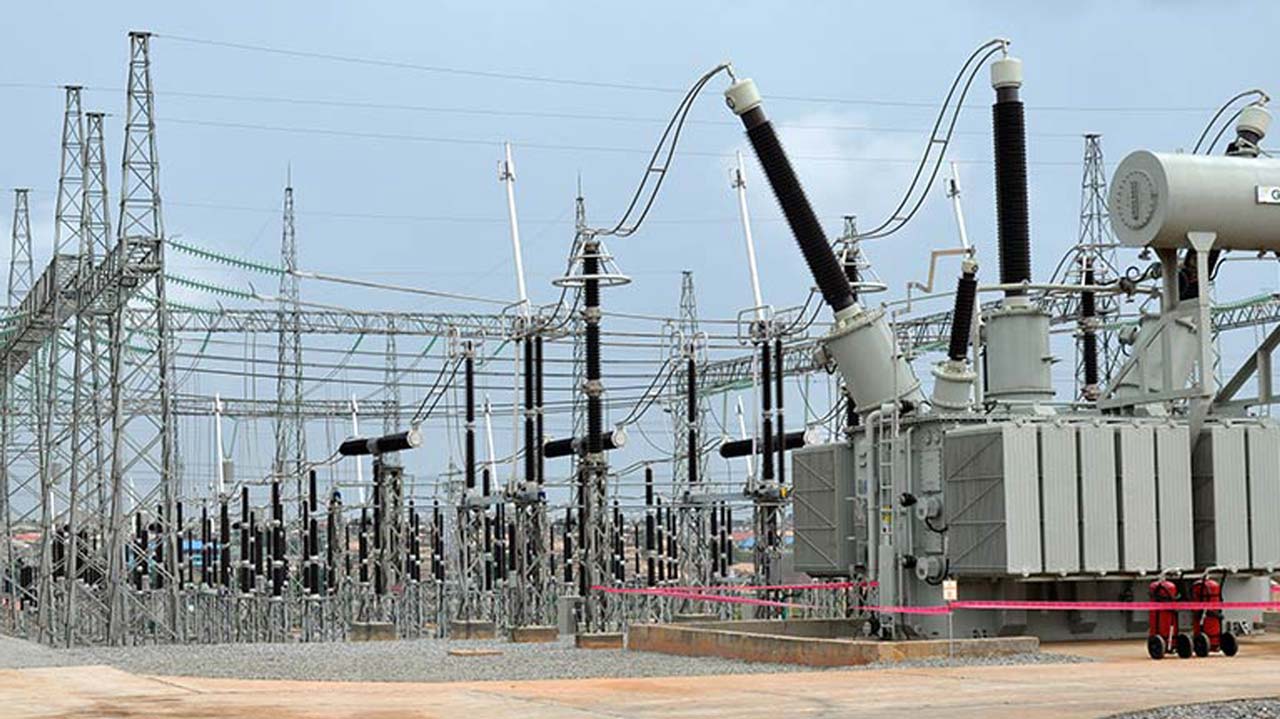
Nigeria’s Electricity Distribution Companies (DisCos) have asked the public for understanding over persistent power outages that have left homes and businesses short of electricity for several weeks.
ANED calls for an end to the blame game#
Sunday Oduntan, Managing Director and Chief Executive Officer of the Association of Nigerian Electricity Distributors (ANED), made the appeal on Monday in a Nigerian television interview. He opened by apologising to the public.
“I’d like to first of all start by apologising to Nigerians. An apology is needed; it is essential because Nigerians have been taken through this problem over the past few weeks,” he said.
Oduntan said he was unhappy with growing disagreements among players in the electricity industry, warning that a return to mutual accusations could make the situation harder to resolve.
A familiar cycle of accusations#
He said the sector saw a similar pattern between 2016 and 2019, when operators repeatedly accused one another of failing to provide stable electricity. He said the DisCos, the Transmission Company of Nigeria (TCN), generation companies and gas suppliers must stop shifting responsibility and work toward lasting solutions.
“Our major problem is that we have started down that very wrong route that we went through between 2016 and 2019. What is that? Blame game.
“Part of what happened at that time is that people will blame the DisCos, DisCos will blame TCN, TCN will blame GenCos, GenCos will blame the gas suppliers, and gas suppliers will blame payment issues. We have returned to that, and I think there is a need to arrest that,” he said.
Questions over NISO and NNPC explanations#
Oduntan also questioned the explanations offered by the Nigerian Independent System Operator (NISO) and the Nigerian National Petroleum Company Limited (NNPC) for the drop in electricity supply. NISO had pointed to insufficient gas supply and reduced water levels as contributing factors, but NNPC later released a statement suggesting that gas was available.
He said NNPC needed to clarify whether unpaid bills were affecting the delivery of gas to electricity generation companies.
“From the NNPC statement, it is very clear that they came to tell us half-truths. What I would have expected NNPC to do is to go ahead and tell us whether there are payment issues. We need to know whether gas was paid for and delivered, who did, who didn’t,” he said.
Call for ministerial intervention#
He called on Nigeria’s Minister of Power to step into the dispute by bringing the relevant agencies and operators together to establish the facts behind the supply crisis.
“This back-and-forth blame game between gas suppliers, NNPC and, of course, TCN or NISO, I think the Minister of Power needs to take charge. There is a need for this leadership because, at the end of the day, they need to call them together,” he said.
Pressure on households and businesses#
Nigerians continue to complain that unreliable electricity is disrupting daily activities, with businesses facing added operating expenses and households enduring prolonged outages. Customers under Band A, Nigeria’s tariff category with an electricity supply obligation of at least 20 hours daily, have also complained. Despite the higher charges for that category, some customers continue to report supply shortfalls.
The shortfalls have compounded the strain of soaring temperatures, with many residents unable to rely on electricity to power cooling appliances. Households that depend on generators face the rising cost of petrol and diesel, while high prices for solar equipment, batteries and inverters limit access to alternative sources of power.
Public figures join the debate#
Veteran actress Kate Henshaw recently criticised the state of electricity supply, saying Nigerians had been forced to turn their homes into “mini-factories” by constantly generating their own power. Content creator Cute Abiola called on Nigeria’s President Bola Tinubu to address the situation, citing the difficulties caused by the heat and unreliable electricity.
Campaign pledge revisited#
The worsening power situation has renewed attention on Tinubu’s campaign pledge ahead of the 2023 presidential election. Addressing members of the Organised Private Sector in Lagos, the President had promised to improve electricity supply and abolish estimated billing.
“Whichever way, by all means necessary, you will have electricity, and you will not pay for estimated bills anymore. A promise made will be a promise kept. If I don’t keep the promise and I come for a second term, don’t vote for me, unless I give you adequate reasons why I couldn’t deliver,” he said.