Nigeria, Egypt, Morocco and South Africa, the only four African markets Spotify itself publishes a daily chart for, have held at least 94 per cent of the seats on this desk’s standing 50-artist African Spotify panel on every one of 17 dated readings since 28 August 2026, and all 50 of them on seven of those readings, including today. The measurement is the panel’s own country-of-origin field: every artist on the ranking is resolved to a registered country of origin, and that country is counted whether or not Spotify publishes a chart for it. These are chart streams, a sample of each market’s published daily chart, not a full accounting of consumption, and 17 readings over roughly two months is a readings sample, not a daily census: a date missing from the series below was not necessarily different, only unregistered.
17 dated readings out of roughly 65 days this desk has run the panel since 13 August.
Show the numbers
| Collection date | Countries represented |
|---|---|
| 2026-08-28 | 7 |
| 2026-09-04 | 6 |
| 2026-09-27 | 6 |
| 2026-10-22 | 6 |
| 2026-10-02 | 5 |
| 2026-10-05 | 5 |
| 2026-10-06 | 5 |
| 2026-10-08 | 5 |
| 2026-10-23 | 5 |
| 2026-10-24 | 5 |
| 2026-09-26 | 4 |
| 2026-09-30 | 4 |
| 2026-10-01 | 4 |
| 2026-10-03 | 4 |
| 2026-10-11 | 4 |
| 2026-10-17 | 4 |
| 2026-10-30 | 4 |
Source: Extends this desk's panel-country-diversity-series-02-october-2026 (7 readings, 28 Aug to 2 Oct) with 10 further readings computed from panel-top3-and-country-concentration-03-october-2026, panel-totals-by-country-05-06-october-2026, panel-gross-by-country-08-october-2026, panel-seat-position-by-country-11-october-2026, panel-country-totals-17-october-2026, african-panel-export-by-country-22-october-2026, panel-recording-yield-by-country-23-october-2026, panel-recording-yield-by-country-24-october-2026 and today's spotify-african-artists-global (30 October 2026), retrieved 31 Oct 2026 · download the data

On seven of the 17 readings, the panel’s four core countries held literally every seat: 26 September, 30 September, 1 October, 3 October, 11 October, 17 October, and today, 30 October. On today’s reading, Nigeria holds 23 of the 50 seats and 9,982,993 of the panel’s 16,372,628 daily streams, Egypt holds 17 seats, South Africa and Morocco five each, and no other country holds any. Fifty of the world’s biggest-charting African artists, measured by Spotify’s own daily top-200 data across 75 markets, and all fifty come from the four countries that already had a chart to prove it.
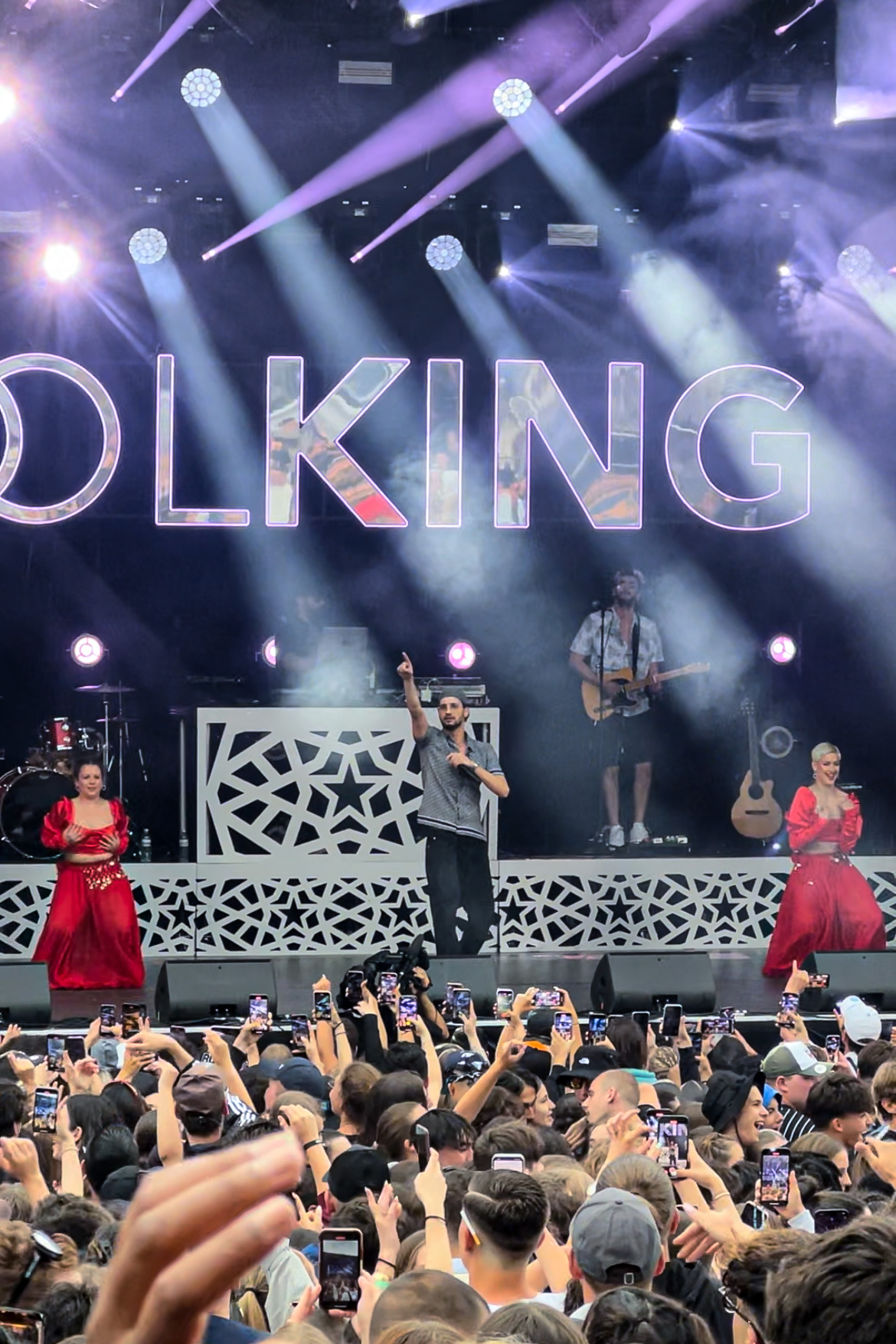
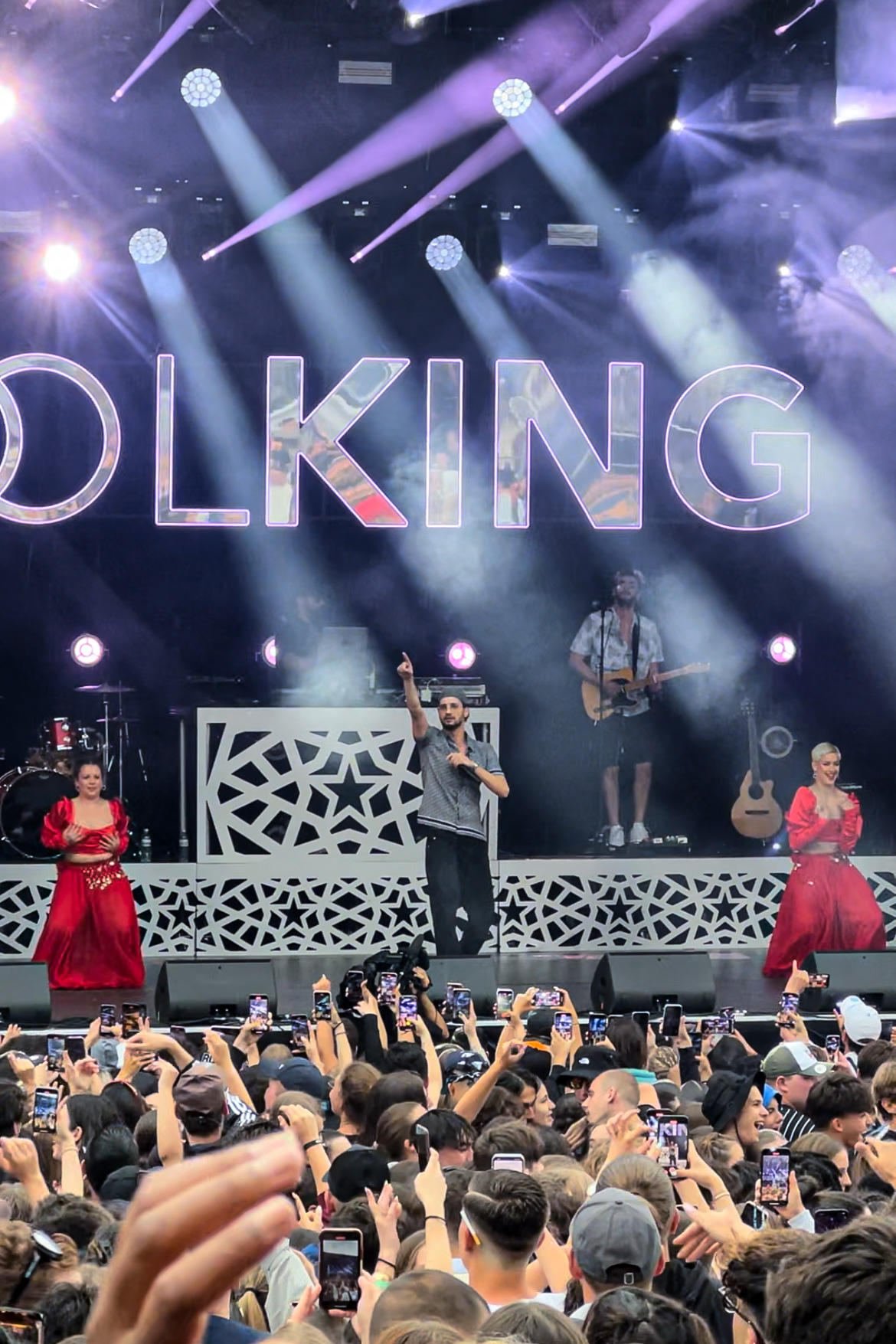
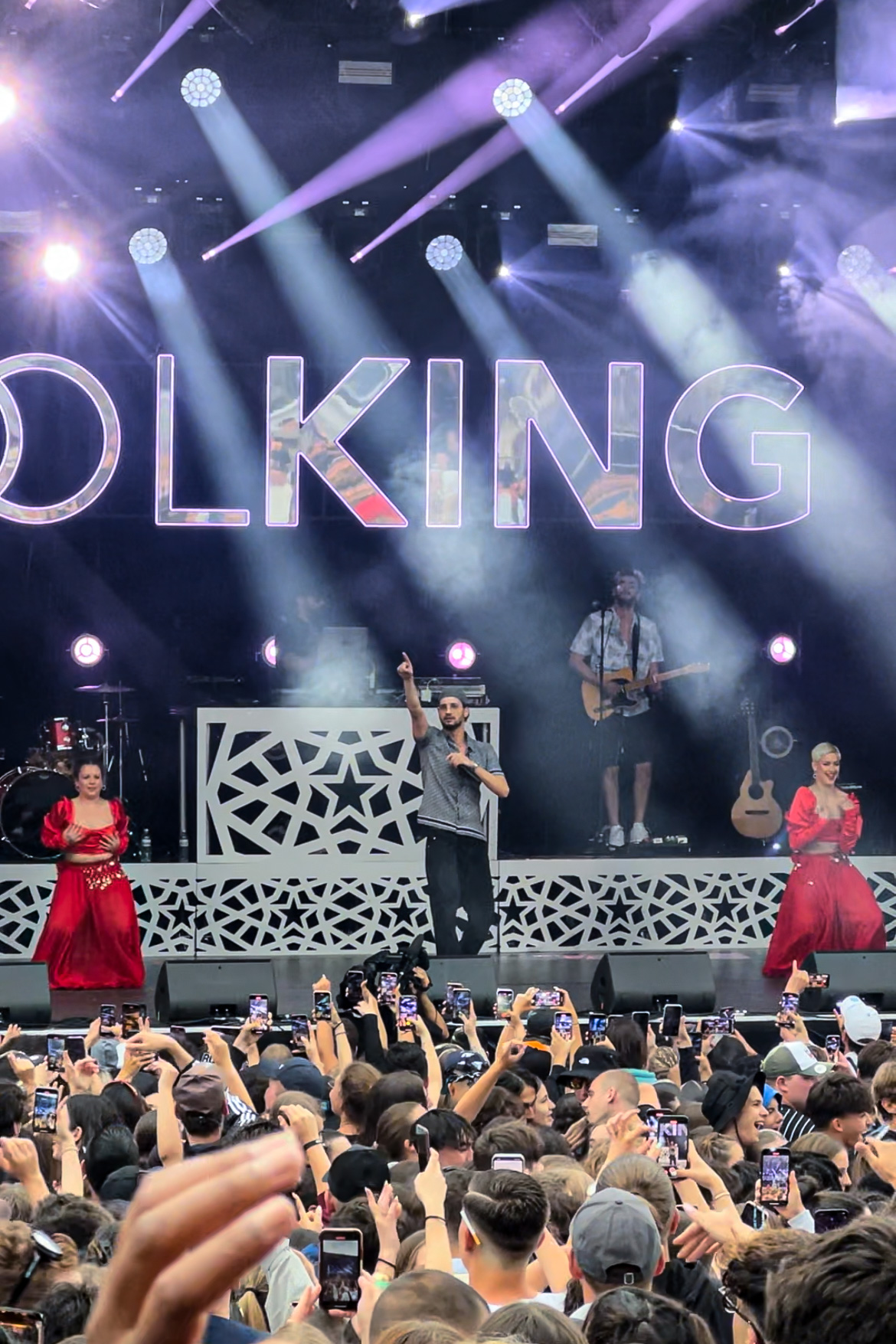
The other ten readings did carry an artist from outside the core four, but they never diversified the periphery. Algeria appears in all ten of those ten readings, every time through the same route: a single artist, Soolking, charting on one market outside Africa and nowhere else. Four other countries each cracked the panel exactly once and never returned: São Tomé and Ghana both appeared on 28 August, Guinea on 27 September, Cameroon on 22 October. None of the four has been back since.
| # | Country | Periphery readings appeared in | Share of periphery readings, % | Dates |
|---|---|---|---|---|
| 1 | Algeria | 10 | 100 | 28 Aug, 4 Sep, 27 Sep, 2 Oct, 5 Oct, 6 Oct, 8 Oct, 22 Oct, 23 Oct, 24 Oct |
| 2 | Ghana | 2 | 20 | 28 Aug, 4 Sep |
| 3 | Sao Tome | 1 | 10 | 28 Aug |
| 4 | Guinea | 1 | 10 | 27 Sep |
| 5 | Cameroon | 1 | 10 | 22 Oct |
Source: Computed from this desk's panel-country-diversity-series-30-october-2026, retrieved 31 Oct 2026 · download the data
That skew matters because the periphery is this measurement’s only evidence that the panel is not a closed system. Strip Algeria out and the finding that follows, that artists from outside Spotify’s four charted African markets can reach this panel at all, is carried by four one-day appearances in eleven weeks of readings. Soolking’s own presence has been intermittent too: the artist dropped out of the panel again on today’s reading, which is part of why today sits at zero periphery for the seventh time.
The counter-reading has to take the panel’s size and Algeria’s pattern seriously before accepting the headline.
| Scenario | Countries counted | Appearances | Change vs. full count |
|---|---|---|---|
| All five periphery countries | 5 | 15 | 0 per cent |
| Excluding Algeria, the single biggest holder | 4 | 5 | −66.7 per cent |
| Excluding Algeria, Ghana and São Tomé, the three biggest | 2 | 2 | −86.7 per cent |
Dropping one country, Algeria, erases two-thirds of every periphery appearance this panel has ever recorded. Dropping the three biggest erases nearly nine-tenths. A second check, run on the 17-reading countries_n series itself rather than the country list, shows the opposite is not true: removing the single reading that drove the widest periphery (28 August, when the panel briefly carried seven countries) pulls the series mean down by only 2.7 per cent, and removing the five widest readings together still only pulls it down 9.5 per cent. The series-level finding, that this panel sits at four countries far more often than not, is not an artefact of one outlier day. The periphery-diversity finding, that more than one country outside the core four has a real foothold, is almost entirely one artist.
For an artist or a label operating outside Nigeria, Egypt, Morocco and South Africa, the practical reading is narrow rather than hopeless: this panel does not show your music being systematically excluded from African representation abroad, because at this sample size and this chart’s own four-country coverage, it has never shown more than one outside act holding a seat for more than a handful of readings running. The one proven route onto this panel from outside the big four, on this evidence, is a single track charting in a single market outside Africa, the way Soolking’s did in France. That is a narrower door than a four-country panel average suggests, and labels outside the core four should treat a one-track, one-market breakthrough as the realistic target, not a sustained seat.