
An initiative in Uganda is working to lengthen short careers for women in music, a sector where women make up more than half of the creative workforce but receive far less economic support. DOADOA LIVE, a live showcase and artist development programme, is designed to help women artists sustain, grow, tour and build professional careers.
Women represent over 55.8% of Uganda’s creative workforce, according to the initiative, but the economics of the sector remain unbalanced. DOADOA LIVE responds to those inequalities by focusing on music leadership, creative excellence and high production standards, with the aim of nurturing Uganda’s music ecosystem, stimulating economic activity and expanding the market for artists.
Research context#
The work aligns with recent collaborative research from Behind the Scenes, a project led by the International Centre for Research on Women (ICRW). That project has presented official recommendations across seven African countries to support change at national and continental levels.
Artists and managers on the gaps#
Vini Mercy, a musician and filmmaker who fuses music, spoken word and cinematography, produced a short film titled ‘Some Ma’di Girl from Kampala’. The project draws on her heritage and present life.
“My visual style captures different landscapes and ways of life between places, leading people to see a bit of Moyo, Adjumani, and Entebbe,” Vini explains. “I’m inspired by creating an artistic way to share where I come from and provide inclusion of a culture they said was forgotten.”
She also points to a gender disparity in film and music. “I’m constantly looking out for what those before me have done, and most or all of them are male. I have about one example of a young female filmmaker I know and learned from. We have to create our own stages and opportunities so that other people can jump on board. We will need the help of men to get on most platforms, which isn’t a bad thing. I will take any opportunity to be a woman in a space.”
Uncle Runo, Label Head of Runo Concepts, says the industry has a blind spot in professionalising music management.
“Yes, there are some opportunities emerging in Uganda, but the bigger problem is that music managers still have to figure out the financial side largely on their own. The gap is very clear: most programs are aimed at artists or creative businesses generally, rather than the music manager as a business professional.”
He argues that Uganda’s development planning has identified limited access to finance and business capacity as major constraints. The industry, he says, needs to treat management as an enterprise, teaching skills such as building sustainable management companies, drafting contracts, managing cash flow, negotiating sponsorships, and understanding royalties and taxation.
“I wouldn’t say managers are completely forgotten anymore, but the ecosystem is still underdeveloped. The biggest shift Uganda needs is to stop viewing the manager as simply ‘the person helping the artist’ and start recognizing the manager as a creative industry entrepreneur running a business.”
Showcase delivery and results#
For the team at CMHLIVE, the DOADOA LIVE concert series has provided a rare opportunity to run a fully integrated 360-degree artist development ecosystem.
“These events have been an opportunity to showcase artists we have trained through the CMH Academy program, giving them a chance to share the stage with established names,” says the team. “It is also a chance for us to strengthen our event production and curation services, offering other creatives the opportunity to gain much-needed experience.”
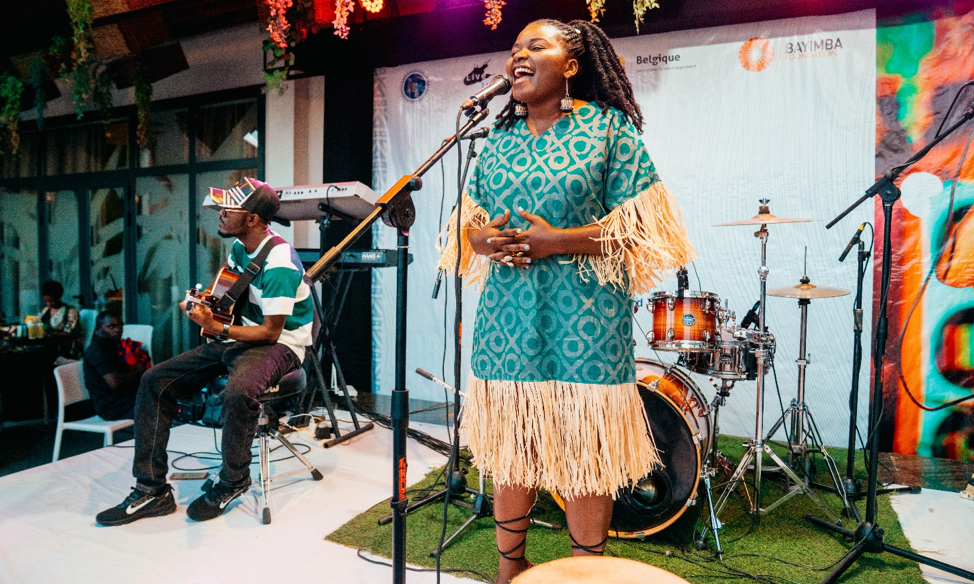
The showcases have added value to existing ecosystem events hosted with partner Onomo Hotel Kampala, including the Onomo Arts Experience. Headline artists such as Rachel Magoola have appeared alongside younger, emerging women artists, connecting creatives across generations. Ugandan artist Koya performed at the fifth edition of DOADOA LIVE at Onomo.
- Between July and September 2026, five industry showcases were delivered in Uganda, featuring fashion runways, DJs and an evening lineup of women artists performing their own original repertoire.
- The initiative engaged 100 young people at the University of Kisubi Inter-University Challenge, where the delivery team led masterclasses on professional development for student designers and models.
A major challenge has been the lack of women instrumentalists.
“Challenges to working with a wider range of women instrumentalists reflect a wider ecosystem dominated by jobbing male musicians, resulting in a limited pool of women artists to form full bands around headline acts, even on a women-focused project such as DOADOA Live,” the team admits.
Despite this, the showcases are outgrowing their current venue, and the team is exploring new partnerships, including a recent collaboration with the Kampala Literature Festival.
Akisa, who performed at the event, said: “I wanna start by saying thank you so much for giving me this opportuni”