

Suno has introduced V6, a suite of artificial intelligence (AI) music generation models built on licensing agreements with Warner Music Group, BMG and Believe. The company described the collection as its most powerful models yet and said the technology incorporates revenue sharing for artists and their labels.
The models begin rolling out to users on Wednesday. Jack Brody, Suno’s chief product officer, said the release is part of a long-term effort to “make a bigger music industry.”
“It’s really kind of making good on this long-term effort to not only grow the pie for the industry, but to grow the pie in a way that benefits everyone and creates opportunities for the existing music ecosystem and artists and musicians of every size and shape to benefit from that,” Brody said. “That’s kind of what this is all about.”
Model lineup and availability#
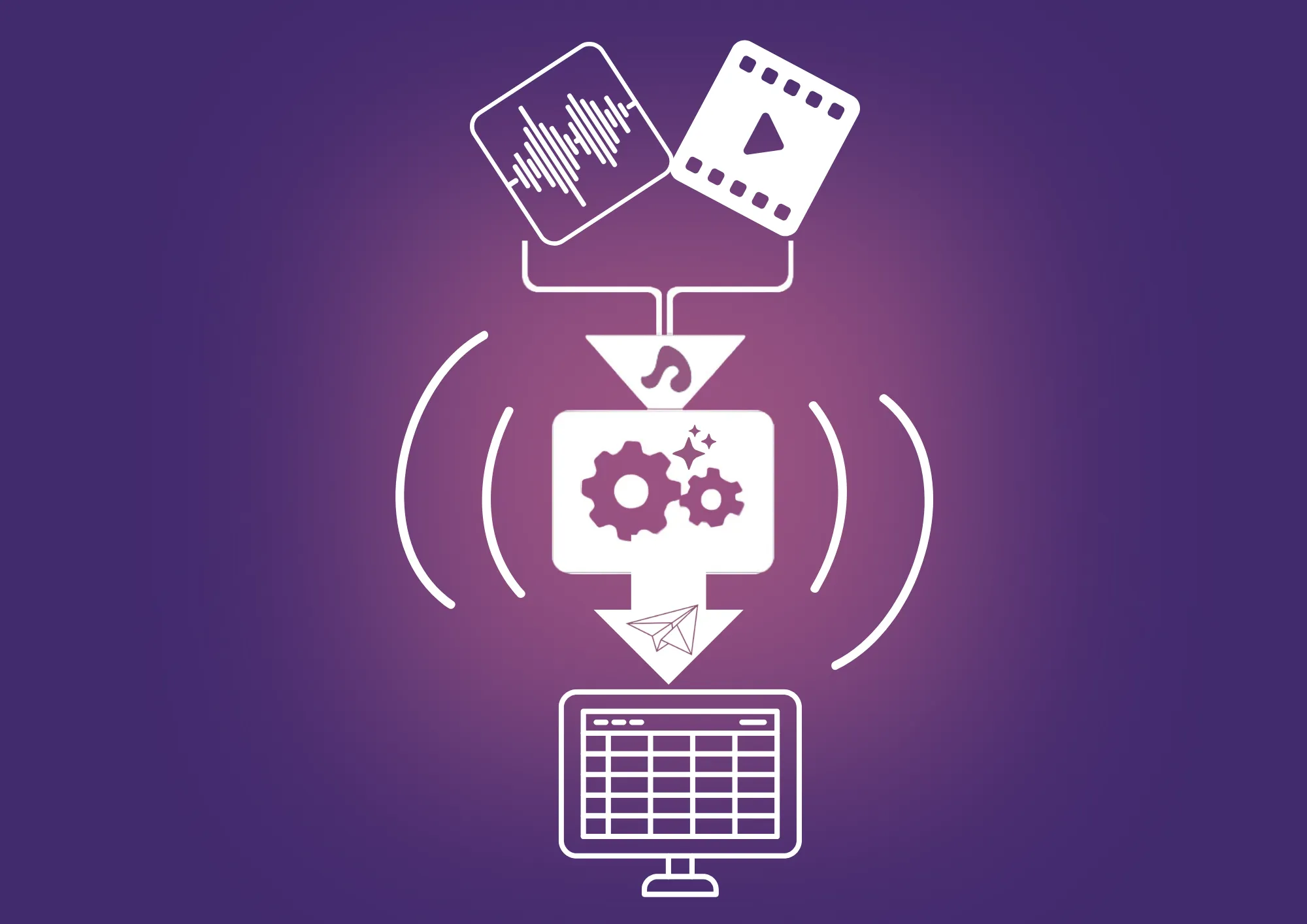
- v6: the flagship model for Suno’s Pro and Premier tiers; it can produce songs across genres and styles, allow single-lyric changes without regenerating a full track, and create music from text, audio, images or video.
- v6-wild: an exploration-focused variant for higher-cost tiers; it generates more ambitious and less predictable sonic output.
- v6-mini: the only V6 model available to all users; Brody described it as a simpler generation model that remains ahead of competitors.
“If you were to exclude v6 and v6-wild for a moment, v6-mini would be the best music model in the world,” Brody said. “It is better than any other competitor’s best paid model, and we’re super excited to give it away for free.”
Legal challenges and artist skepticism#
The launch is the biggest test yet of Suno’s effort to legitimize itself within the music industry. The company and the broader AI music generation sector have faced criticism from artists even as Suno has signed deals with labels and publishers.
Suno still faces copyright infringement lawsuits from Sony Music Entertainment and Universal Music Group, among others. Round Hill Music sued Suno last month and has refused to settle.
Mary J. Blige ended an advertising partnership with Suno after “someone who presented themselves as Ms. Blige’s official representative” made a deal that Blige was “uncomfortable” with. Brody said the new models reflect “very long period of hard work and deep conversations around what matters to all the different constituents,” but acknowledged that Suno still needs to earn goodwill from artists skeptical of how its models were trained.
“This is just a single moment in time, and I think we just need to continue to prove over and over again through our actions that we are here to build a company that empowers creatives,” he said.
“I don’t think any one moment is going to change the mind of somebody who is a skeptic,” Brody added. “What I have seen firsthand is that the main thing that will help somebody see what this technology actually is and how we are actually shaping it as a company is when they use it, and I think a lot of people who might be naysayers around this technology haven’t actually experienced it, haven’t actually seen how it can empower their creative journey.”
Remix tool in development#
Goodwill from artists will be needed for the second phase of Suno’s project: a remixing tool that lets artists opt in to allow fans to remix songs from their catalogs. The product is similar to tools from Hook and Spotify’s forthcoming AI remix feature.
Brody said the remix tool remains in development and involves conversations about safeguards to protect artists as they contribute to what he called a “consented version of derivative music experiences.” Licensed remixes could create new revenue streams.
“I think there’s some genuine excitement for that,” he said.