
A new baseline report on South Sudan‘s music sector, released in July 2026 by the Ghines Foundation, finds a largely informal industry centred on the capital, Juba, with live performance as a key income source but limited professional training, production infrastructure, copyright administration, digital monetisation and access to finance.
The South Sudan Music Sector Baseline Report also found that the country’s contemporary music sector has been poorly documented. Without reliable information, the ministry responsible for culture cannot plan effectively, financial institutions and businesses cannot understand the market, and organisations outside the country cannot easily identify partnership opportunities. A lack of data also makes it easier for South Sudan to remain on the margins of regional conversations about African music.
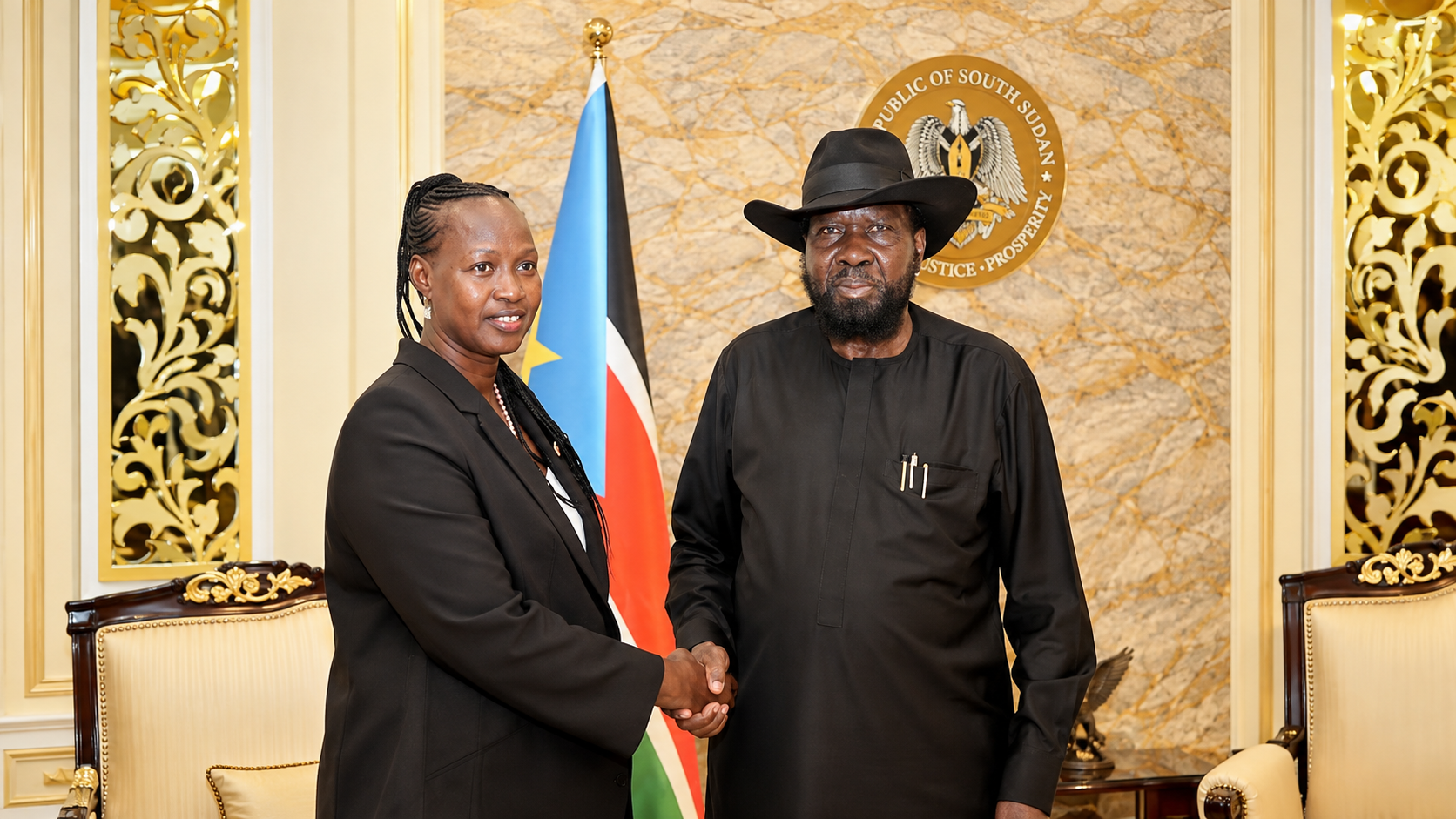
The ministry responsible for culture is led by Sarah Nyanath Elijah, South Sudan’s Minister of Culture, Museums and National Heritage, who has appeared with President Salva Kiir Mayardit at official engagements in Juba.
Report findings#
The report describes a music economy in which audiences in Juba often sing along word for word at performances, even when recordings fall short of conventional production standards. It says the music speaks to frustrations, aspirations and hopes for the South Sudan people want to see. Talent and audience were already present, but the structures that allow music to become a sustainable profession and business were less developed.
- Largely informal music industry centred on Juba
- Live performance as an important source of income
- Limited professional training, production infrastructure, copyright administration, digital monetisation and access to finance
- Poor documentation of the contemporary music sector
- Music often encountered in clubs, weddings, political and national-day gatherings, community cultural events, social media and non-governmental organisation (NGO) programmes
The report says these spaces reveal only part of the picture and do not capture musicians, producers, promoters and other practitioners trying to build careers and businesses. It also notes that South Sudan faces serious humanitarian, economic and security pressures, but says these cannot be the only lens. People work, raise families, start businesses, make music, follow sport, create fashion and plan for the future.
Regional and policy context#
The report argues that African regional integration requires deliberate inclusion of countries such as South Sudan, Somalia and Sudan in cultural and creative conversations. It says cultural exchange can concentrate around established markets, with the same festivals, conferences, organisations and professional networks meeting repeatedly, while artists from places with fewer resources, weaker mobility or less developed cultural infrastructure struggle to enter those networks. The report says this is difficult to reconcile with an industry that increasingly describes itself as African.
The African Union‘s Agenda 2063 places continental integration, peace and cultural identity within the same vision, calling for greater movement and exchange across Africa, a culture of peace and tolerance, and a continent in which the creative arts contribute to growth and transformation. The Charter for African Cultural Renaissance calls for cultural cooperation among member states, intercultural dialogue and the integration of culture into development strategies, and recognises culture’s contribution to peace, good governance, social cohesion and human development.
The report says these commitments are relevant where political and economic pressures can push cultural development down the list of priorities, and that culture cannot be treated as something that begins only after every other problem has been solved.
Cultural and social roles#
South Sudanese musicians already use music to speak about peace, unity and national identity, the report notes. Traditional wrestling is deeply embedded in the cultural life of several communities, bringing people together around sport, music and dance, while tournaments have also been used as spaces for dialogue and peacebuilding.
The report concludes that sustaining cultural life also requires careers, institutions and businesses.
Sports and fashion precedents#
Other sectors in South Sudan offer examples of international visibility and domestic infrastructure development.
- Basketball: South Sudan made its World Cup debut in 2023 and Olympic debut in 2024. Domestic infrastructure includes the Nimititalata Basketball Stadium in Juba.
- Football: Juba National Stadium reopened in 2024 following almost US$7 million in work backed by FIFA, football’s global governing body.
- Fashion: South Sudanese models have gained international visibility, while an agency structure is beginning to emerge at home.