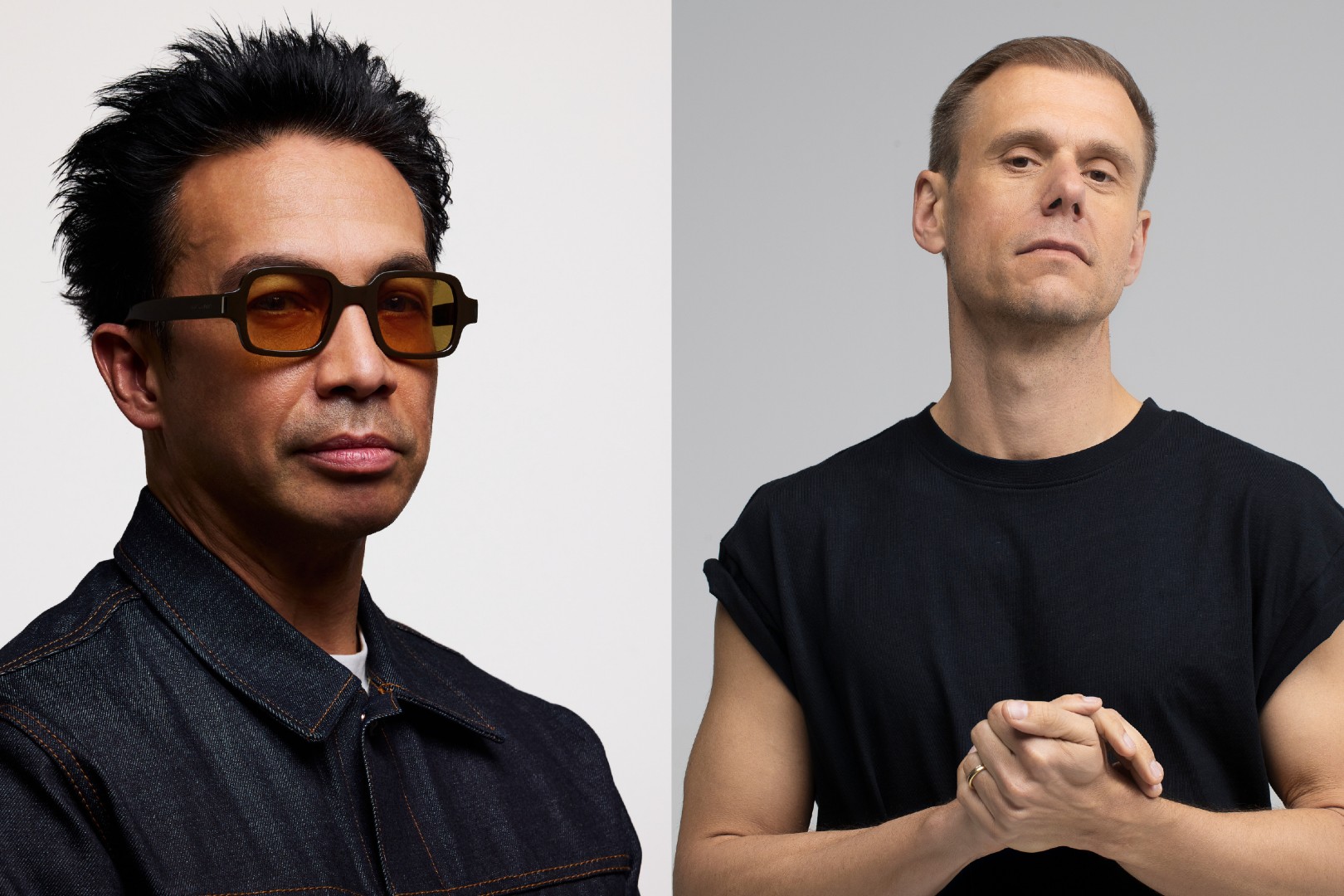

A class action lawsuit does not need proof to get filed. That surprises people, and it is worth stating plainly before going further, because the case putting the phrase back in music headlines this week, Jason Isbell and David Lowery’s suit against Suno, is at the stage where no evidence has been tested by a judge at all. What a class action needs to get filed is a plausible legal theory and a set of facts specific enough that, if true, they would entitle the named plaintiffs to relief. What it needs to become an actual class, binding people who never set foot in the courtroom, is a separate and much higher hurdle called certification. Afrobeats Wire has already covered the filing itself and the legal theory behind it. This piece is about neither. It is about the machine the case is now inside, the procedural mechanism called a class action, how it actually works from filing to payout, and what the equivalent mechanism does and does not offer a musician standing in a Nigerian or South African courtroom instead of an American one.
Filing a class action lawsuit is not the same as proving one#
Isbell’s complaint, filed August 31 in federal court in Boston, calls itself a “proposed” class action, and that word is doing real legal work. Under United States law, a class action is governed by Rule 23 of the Federal Rules of Civil Procedure, and Rule 23 has two distinct gates. The first is the pleading standard that applies to any federal lawsuit: the complaint has to state a claim that is plausible on its face, a bar set by the Supreme Court’s Twombly and Iqbal decisions. Plausible is not proven. At this stage a court asks only whether the allegations, if everything in them turned out to be true, would entitle the plaintiffs to win. Suno has not yet answered the complaint, and nothing filed by Isbell’s lawyers has been tested by cross-examination, discovery or a judge’s fact-finding. The 17 counts, the named examples, the “voiceprint” allegations: all of it is, procedurally, one side’s account until Suno responds.
The second gate is certification, and this is the part that turns an individual lawsuit into a class action that can bind people who are not in the room. Under Rule 23(a), the plaintiffs have to show four things: the class is too large for everyone to be joined individually (numerosity), there are legal or factual questions common to the whole class (commonality), the named plaintiffs’ claims look like everyone else’s (typicality), and the named plaintiffs and their lawyers can be trusted to represent people they have never met (adequacy). Then the case has to fit one of the categories in Rule 23(b), and a damages class like this one typically has to show that common questions predominate over individual ones and that a class action is the best available tool, the standard under Rule 23(b)(3). None of that has happened yet in Isbell v. Suno. The complaint has been filed. A class, in the legal sense that would let a session musician in Nashville who never heard of this lawsuit collect a payment without lifting a finger, does not exist yet.

Where “no proof” actually comes from#
The search query behind a lot of the current interest in this phrase, people asking whether class action lawsuits require no proof, is not wrong so much as pointed at the wrong stage. Proof matters enormously by the time a case reaches trial or a negotiated settlement. What is genuinely true is that individual class members do not have to prove their own personal damages to be part of the class or, later, to collect from a settlement. The class representatives and their lawyers carry that burden on behalf of everyone. A live, unrelated example makes the mechanism concrete: the current $50 million settlement covering YouTube TV and DirecTV subscribers over Disney’s carriage pricing does not ask any individual subscriber to prove they were harmed by the alleged conduct. It asks only that they held a qualifying subscription during the covered period, and no receipts are required. That is the part of “class action” that can look like it needs no proof. It is not that the underlying claim was never tested. It is that once a class exists, whether through certification and trial or through a negotiated settlement, membership in it is usually the only thing an individual has to establish.
What the equivalent mechanism looks like in Nigeria and South Africa#
Neither Nigeria nor South Africa has a device that maps cleanly onto Rule 23, and the differences matter for any African artist wondering what recourse would look like if a company did to them what Isbell alleges Suno did to him.
Nigerian civil procedure allows representative actions, most commonly under rules like Order 15 Rule 13 of the Lagos State High Court (Civil Procedure) Rules or the equivalent provisions in the Federal High Court and FCT rules. But Nigeria’s Supreme Court, in Adedeji v. CBN, set the bar for a representative action at parties who share “the same interest” in the suit, a narrower and older test than Rule 23’s commonality standard, which tolerates more variation among class members as long as a common question can resolve the case “in one stroke.” More specific still: the Federal High Court’s own rules restrict class actions at that court to matters involving trademarks, copyright, or patents and designs. A right-of-publicity claim, the actual legal theory in Isbell’s suit and one Afrobeats Wire has reported has no clean Nigerian statutory equivalent, would not obviously fit through that federal doorway at all. It would more plausibly have to proceed, if at all, as an ordinary representative action in a state High Court, a route Nigerian lawyers themselves describe as uncommon and procedurally underdeveloped.
South Africa’s mechanism is newer and more codified than Nigeria’s. Class actions there were not formally recognised until the Supreme Court of Appeal’s 2012 decision in Children’s Resource Centre Trust v. Pioneer Foods, which required certification by a court before a class action summons can even be issued, built around an identifiable class, a triable common cause of action, and a suitable representative. Amendments to the Uniform Rules of Court that took effect in September 2025 turned that case law into a formal Rule 11A, setting out the certification application process directly in the rules for the first time. South Africa’s mechanism is, on paper, closer in spirit to Rule 23 than Nigeria’s is. It still requires certification before the case can proceed at all, a step Isbell’s case in the United States has not yet reached either.
What this means for artists#
If you are an African musician reading about the Isbell suit and wondering whether you could bring something similar, the honest answer has three parts. First, nothing in this case is proven yet, and treating any of its specific allegations against Suno as established fact ahead of a response and, if it gets that far, a trial, is premature regardless of which country you are in. Second, joining the actual American class, if one is eventually certified, is a real question of jurisdiction and notice that has not been tested for a foreign plaintiff in this specific case. Third, and most practically, if you wanted to bring a comparable action yourself rather than ride the coattails of Isbell’s, Nigeria’s representative-action rules and South Africa’s certification requirement mean the procedural bar to get a group claim moving at all is different from, and in Nigeria’s case arguably higher than, the one Isbell’s lawyers have already cleared just by filing in Boston. A class action lawsuit is a tool for organising many small claims into one case efficiently. Whether that tool exists in usable form depends entirely on which country’s courthouse you are standing in, and that gap is currently wider than the substantive rights gap Afrobeats Wire has already reported on.