
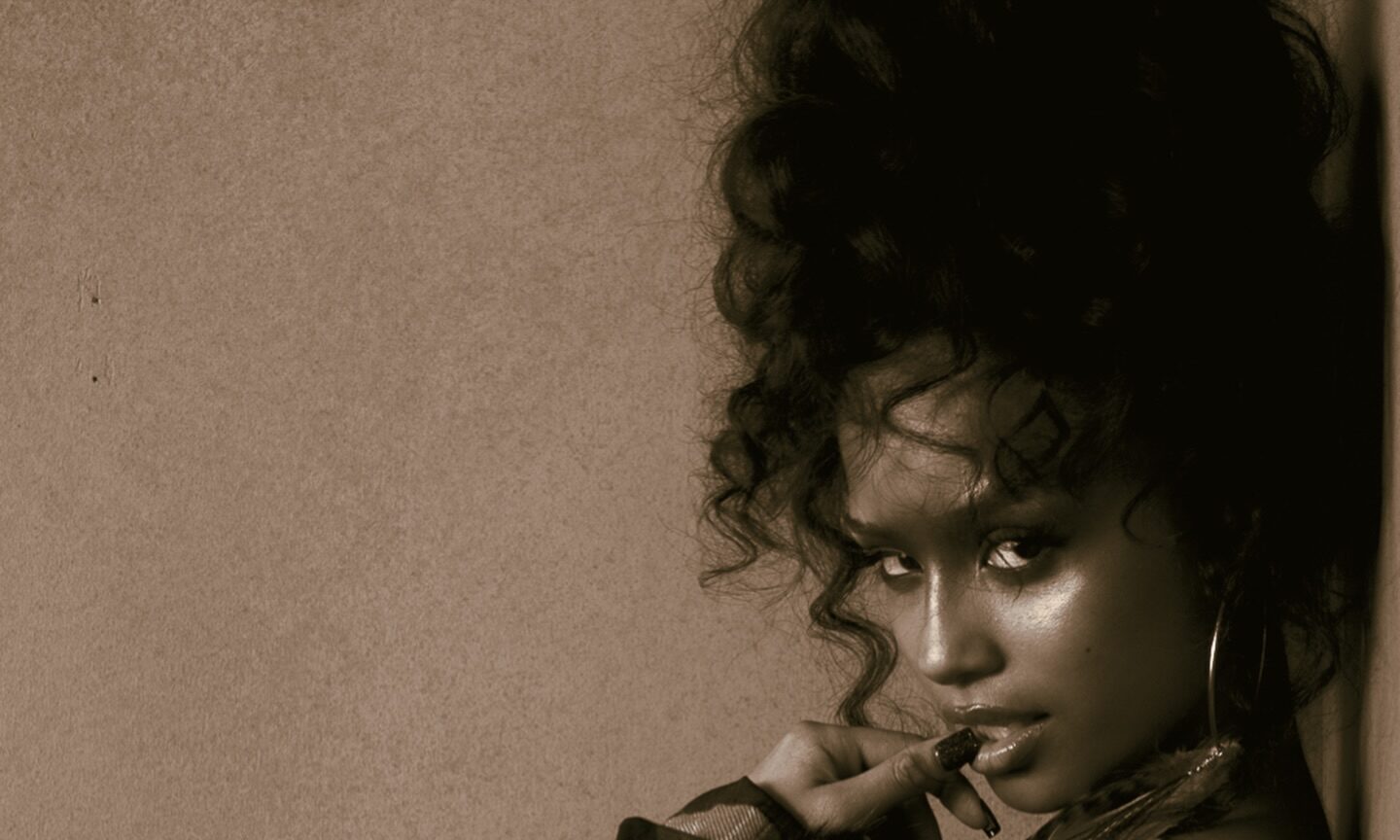
South Africa‘s music history has been shaped by women from Miriam Makeba to Tyla, and new Spotify data shows Tyla as the most-streamed South African female artist on the platform since it launched in South Africa in 2018.
The figures cover a female music community that includes established international stars, fast-growing artists and musicians whose work remains tied to South Africa’s languages, traditions and cultural experiences.
Across generations, women have influenced how South Africans speak, dance, dress and connect, while helping to establish the country as a force in global music. That legacy runs from Makeba taking South African stories to international audiences and Brenda Fassie‘s cultural influence to a new generation that includes Tyla and Busiswa.
Most-streamed and fastest-growing artists#
Tyla leads the ranking as South Africa’s most-streamed female artist on Spotify. She also has the country’s largest international audience and the highest level of global playlist inclusion among the artists analysed. Her music has accumulated more than 7 billion streams globally across the categories measured.
She is followed by Nomcebo Zikode, Alice Phoebe Lou, Babalwa M, MaWhoo, Zee Nxumalo, Nkosazana Daughter, Uncle Waffles, Ami Faku and Makhadzi.
| Rank | Artist |
|---|---|
| 1 | Tyla |
| 2 | Nomcebo Zikode |
| 3 | Alice Phoebe Lou |
| 4 | Babalwa M |
| 5 | MaWhoo |
| 6 | Zee Nxumalo |
| 7 | Nkosazana Daughter |
| 8 | Uncle Waffles |
| 9 | Ami Faku |
| 10 | Makhadzi |
Azana recorded the highest stream growth among South African female artists since 2018, followed by Nia Pearl, Boohle, Lady Du, Tyla, Naledi Aphiwe, DBN Gogo, Ami Faku, Nomfundo Moh and Shandesh. Their rise spans amapiano, Afro-pop, soul, electronic music and other contemporary genres.
| Rank | Artist |
|---|---|
| 1 | Azana |
| 2 | Nia Pearl |
| 3 | Boohle |
| 4 | Lady Du |
| 5 | Tyla |
| 6 | Naledi Aphiwe |
| 7 | DBN Gogo |
| 8 | Ami Faku |
| 9 | Nomfundo Moh |
| 10 | Shandesh |
Local languages and release volume#
International reach is one measure, but some of the strongest listening trends remain tied to local identity. Nomcebo Zikode, Ami Faku, Nkosazana Daughter, Babalwa M and MaWhoo contribute to the continued popularity of music performed in South Africa’s indigenous languages. Their success indicates that audiences continue to engage with music that reflects their own communities and cultural experiences, even when those songs travel beyond South Africa.
Since 2020, Makhadzi has released more new tracks than any other South African female artist in the data set, followed by DBN Gogo, MaWhoo, Lady Du, Nkosazana Daughter, Hlengiwe Mhlaba, Tyla, Moonchild Sanelly, Kharishma and Azana.
| Rank | Artist |
|---|---|
| 1 | Makhadzi |
| 2 | DBN Gogo |
| 3 | MaWhoo |
| 4 | Lady Du |
| 5 | Nkosazana Daughter |
| 6 | Hlengiwe Mhlaba |
| 7 | Tyla |
| 8 | Moonchild Sanelly |
| 9 | Kharishma |
| 10 | Azana |
More than 780 South African female artists are available on Spotify. Nearly 700 were streamed by international audiences during the past year, while 645 were streamed in South Africa over the same period.
International audiences and legacy#
The international audience figures show that South African women are not defined by a single sound or generation. Tyla ranks first for international audience size, followed by Nomcebo Zikode and Alice Phoebe Lou. Moonchild Sanelly, Busiswa, Miriam Makeba, Yugen Blakrok, Uncle Waffles, Babes Wodumo and Ami Faku also feature among the artists with the largest international audiences.
| Rank | Artist |
|---|---|
| 1 | Tyla |
| 2 | Nomcebo Zikode |
| 3 | Alice Phoebe Lou |
| 4 | Moonchild Sanelly |
| 5 | Busiswa |
| 6 | Miriam Makeba |
| 7 | Yugen Blakrok |
| 8 | Uncle Waffles |
| 9 | Babes Wodumo |
| 10 | Ami Faku |
The continued presence of Miriam Makeba in the international rankings extends beyond streaming figures. She represents an earlier generation of South African musicians who established pathways for local music on the international stage. The emergence of Tyla, Uncle Waffles and Busiswa shows how those pathways have continued to expand across different genres and audiences.
The figures arrive during Women’s Month, a period used to consider this broader musical history. South African women have contributed hit songs and performances, preserved languages and traditions, challenged social expectations, created new sounds and built connections between local culture and international audiences. From Makeba and Fassie to Tyla and emerging artists, South African women continue to shape how the country sounds to itself and how it is heard by the rest of the world.