Hennessy Cypher Class 2026: Six Artists, One Cypher
The 2026 Hennessy Cypher Class brings together six artists from Ghana, Kenya, Cameroon, Côte d’Ivoire, South Africa and the United Kingdom, with Sarz as producer.
The 2026 Hennessy Cypher Class brings together six artists from Ghana, Kenya, Cameroon, Côte d’Ivoire, South Africa and the United Kingdom, with producer Sarz creating the instrumental.
The line-up spans Anglophone and Francophone hip-hop scenes and the African diaspora, placing six distinct rap styles on one platform.
The 2026 line-up
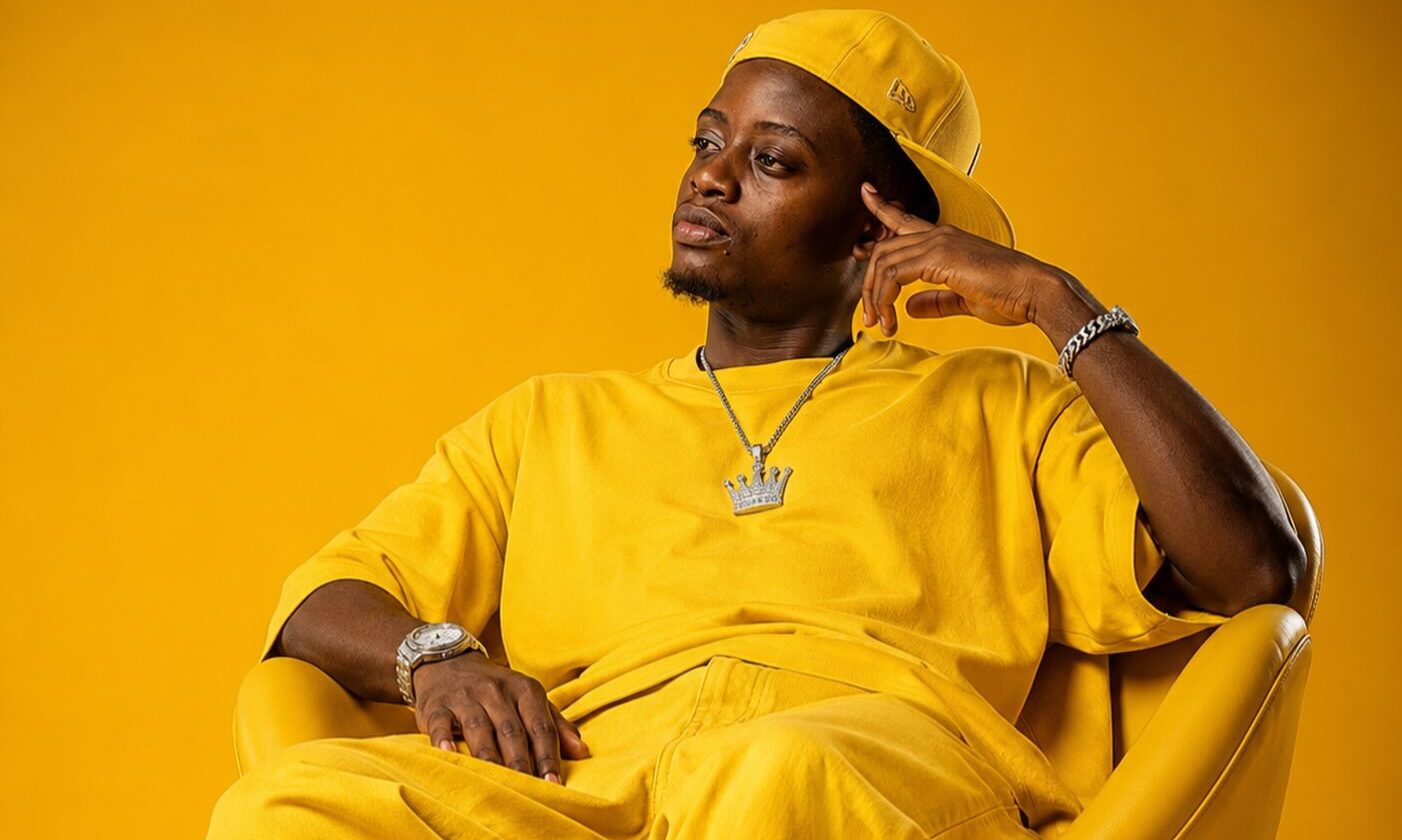
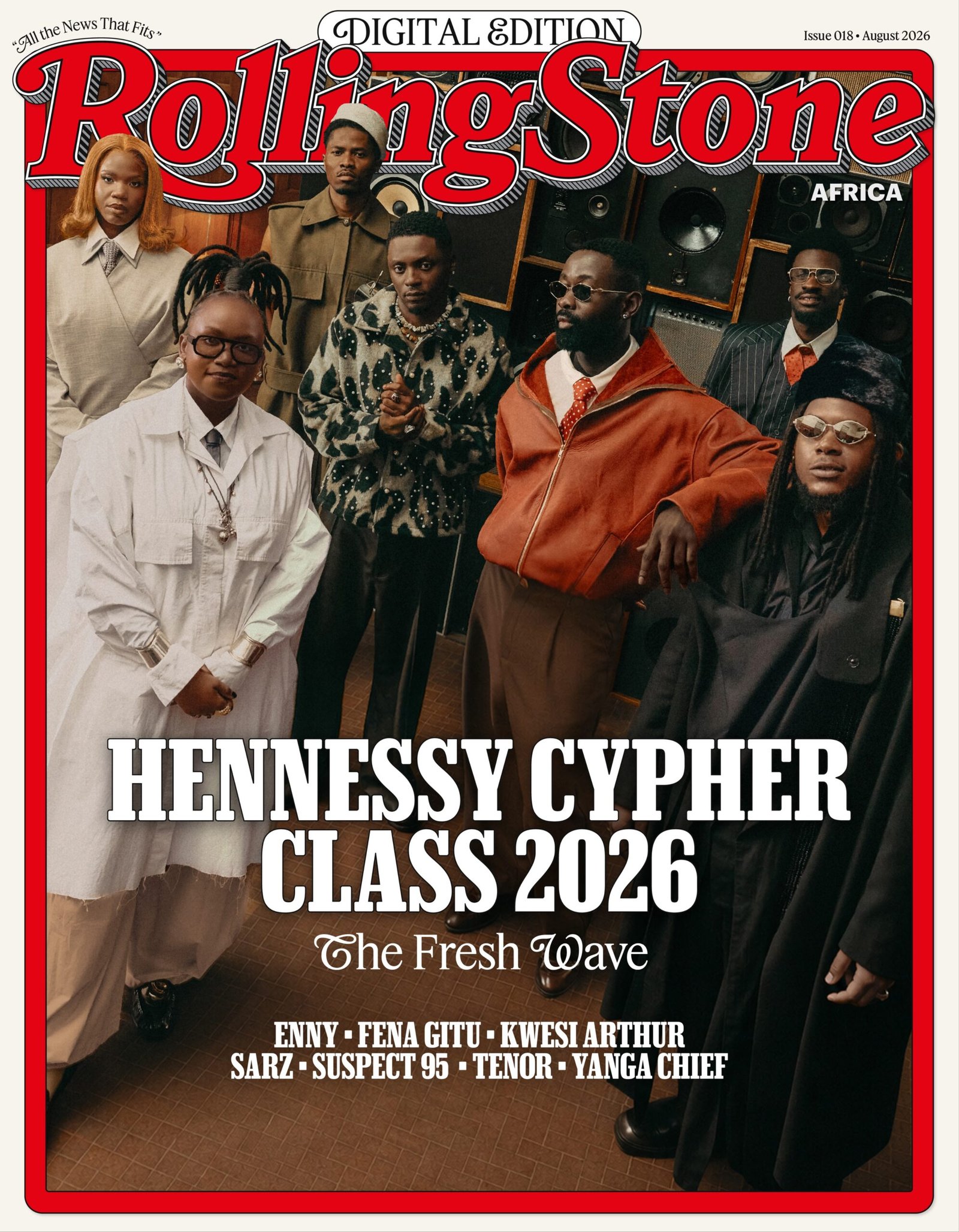
The artists are ENNY, Kwesi Arthur, Fena Gitu, Tenor, Suspect 95 and Yanga Chief.
- Kwesi Arthur (Ghana): street-rooted storytelling and emotional honesty.
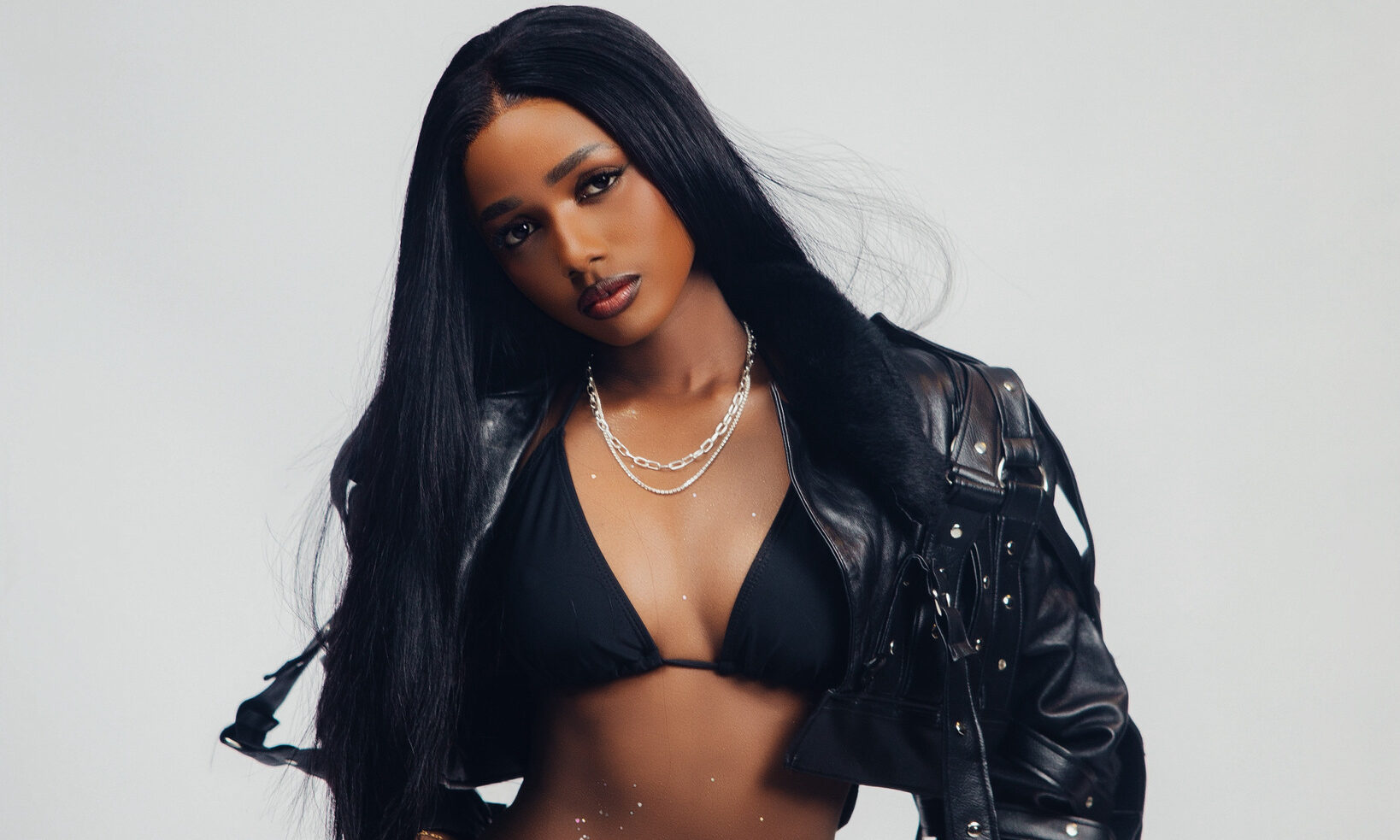
- Fena Gitu (Kenya): a voice in East Africa’s diverse music scene.
- Tenor (Cameroon): Central African urban music, dance and humour.
- Suspect 95 (Côte d’Ivoire): Francophone rap, social observation and sharp writing.
- Yanga Chief (South Africa): language, heritage and personal history within hip-hop.
- ENNY (United Kingdom): British Nigerian rapper with introspective writing and controlled delivery.
Artist backgrounds
Ghana’s Kwesi Arthur connects the cypher to a rap landscape where hip-hop, hiplife, drill and melody continue to influence one another.
Kenya’s Fena Gitu brings a perspective shaped by East Africa’s music scene and by her role among women redefining visibility and creative independence in African music.
Cameroonian artist Tenor represents Central Africa’s growing urban music movement, where rap meets dance, humour and popular culture.
From Côte d’Ivoire, Suspect 95 is known for turning everyday experiences and social observations into lyrics, reflecting the verbal creativity of Ivorian hip hop.
South Africa’s Yanga Chief draws on one of the continent’s most established hip-hop scenes, using language, heritage and personal history as creative tools.
British Nigerian rapper ENNY extends the conversation to the African diaspora, where her calm delivery and introspective writing have made her an important voice.
Production and regional shift
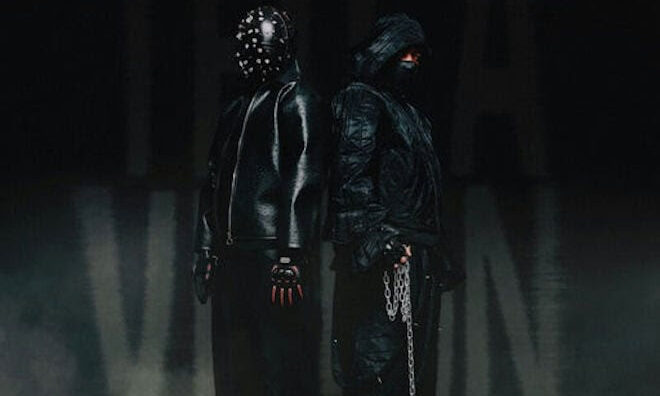
As producer, Sarz provides the common ground for the six verses. The beat is designed to give each artist room while keeping the project connected as one piece.
For years, African hip hop was often discussed through separate territories: South African rap, Ghanaian hip hop, Kenyan hip hop and Francophone rap. Digital platforms have made cross-region discovery easier, and collaborations now reflect a more connected African music landscape.
Hennessy has a longstanding relationship with hip hop culture; this edition places lyricism, individuality and cultural exchange at the forefront.
The shared cover places Anglophone and Francophone markets, the continent and its diaspora, and male and female voices in a single frame. A cypher is judged by who commands attention, who takes risks and which verse listeners return to after the first listen. The 2026 edition’s central message is that African hip hop artists are already speaking across borders.