Recording techniques have grown more sophisticated, but the systems for handling mixes, feedback and credits around a recording remain fragmented, according to Flowthru, formerly known as Sound Credit. The company’s case centers on Matt Richens, who runs Fox Den Studios in Sheffield, England, and moved his project sharing from Google Drive to Flowthru.
A workflow built from separate tools#
The article’s author, who builds the software and has worked as a producer and mastering engineer, describes a sequence that can take weeks of careful work and then half a day of confusion over which version a collaborator means. The steps the author lists include:
- Uploading the file to a storage or file transfer platform that compresses it.
- Sharing a link, although collaborators cannot hear the mix as made or see every version.
- Receiving texts and emails from different people asking for different level changes in different places.
- Collating the feedback and repeating the process until the mix seems right.
- Discovering at delivery that the metadata a label needs for release is missing.
- Assembling split sheets, collaborator details, mastering metadata, registrations, DDEX (Digital Data Exchange) data, AllMusic, lyrics, ISNI (International Standard Name Identifier) numbers and social media assets, and hoping everything is correct.
The author summarizes the problem as a large amount of effort spent on every detail of a recording, followed by reliance on poorly named files and disconnected conversations to carry the rest of the process.
Feedback and version control#
The author says mixing is where much creative communication happens outside the room. When an artist asks for more space on a vocal or flags a problem in the second verse, the producer must act on feedback that arrives as scattered messages, which can turn a simple revision into a lengthy search.
Richens had shared material through Google Drive before moving to Flowthru. He described the limitation simply: “Google Drive just isn’t built for what I’m trying to do.” He wanted comments and versions that were easier to manage, in an experience that felt designed for music. As his work moved from part-time to full-time, the administration grew with it, and he had considered a custom sharing system before finding Flowthru.
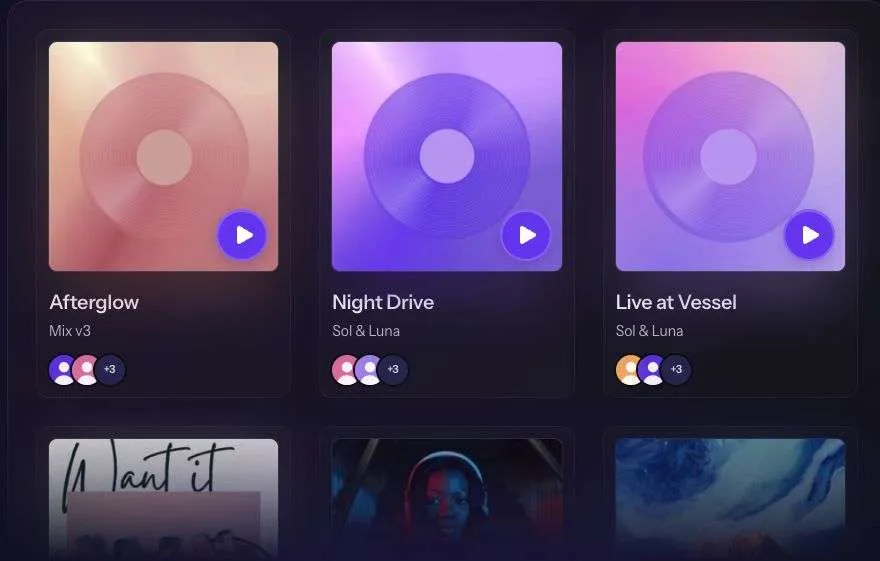
According to the company, Flowthru keeps each version within the project, so comments retain context and a producer can return to the recording under review instead of matching a text message to a renamed file. The author notes that the time savings Richens describes are one producer’s estimate for one project, not a measured reduction that applies to everyone.
Views from songwriting and production#
The company says the platform is used across career levels, from GRAMMY-winning producer and engineer Boo Mitchell, whose credits include Bruno Mars and Mark Ronson, to songwriter and vocal producer Makeba Riddick, whose credits include Beyoncé and Rihanna. The article also says independent producers and studio owners face the same problems, often without the teams or resources available on major-label projects.
Riddick described the platform as one that “helps her manage all the collaborative variables that get us to a completed song.” Her work sits on the songwriting and vocal production side, while Richens approaches the platform from production. The company says both use it to keep creative conversations moving without repeatedly reconstructing what is happening with the music.
Playback quality during production#
The author observes that playback quality receives close attention after a release, while the listening experience during creation is often treated as an afterthought. When an artist evaluates a vocal balance or an EQ (equalization) decision, the author argues they should hear the recording as intended. That requires more than a high-resolution file, the author writes; it also requires easy access to the music and clarity about which version is playing.
Richens told the company that people who had worked with him both before and after he switched to Flowthru responded to the experience.