African film production companies, animation studios and streaming businesses are seeking between $250,000 and $5 million in financing. Local and international investors are increasing their scrutiny of the commercial structures that support the continent’s film industry.
Investor meetings in Lagos#
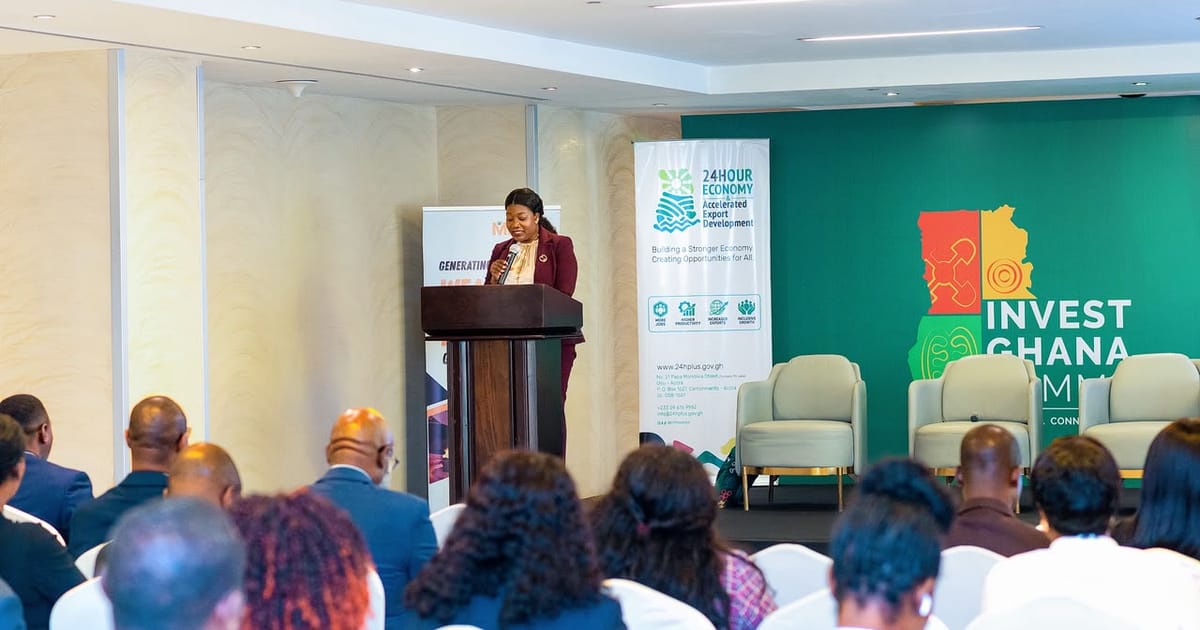
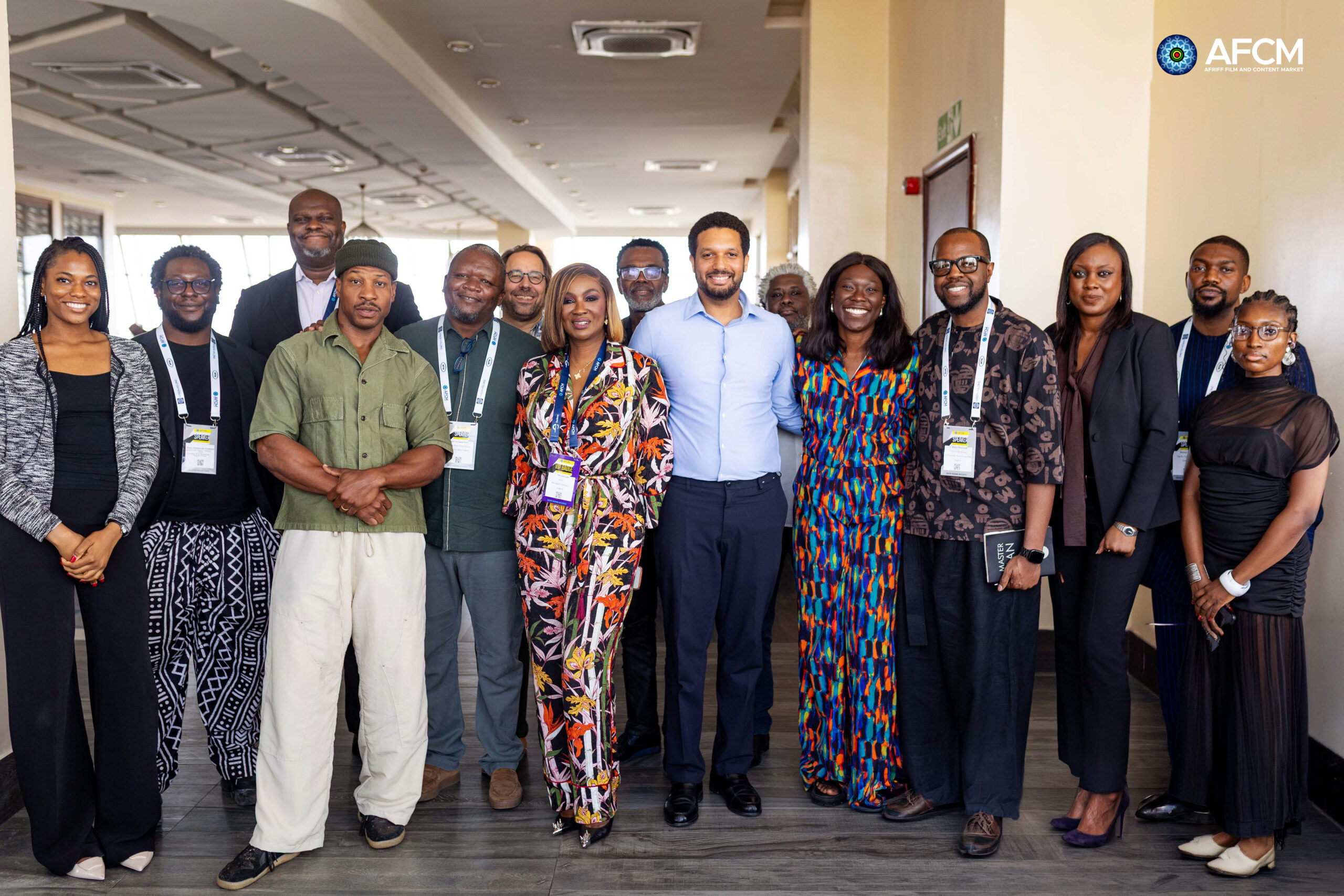
The funding requests were presented at the second edition of the AFRIFF Film and Content Market (AFCM) in Lagos, Nigeria. Ten selected companies held approximately 30 one-to-one investment meetings over two days of investment roundtables on November 3 and 4, 2026. The representatives they met included:
- International Finance Corporation (IFC)
- MBO Capital
- Logical Pictures Group
- Chapel Hill Denham
- Kuramo Capital
- Oui Capital
- Verod-Kepple Africa Ventures
- Breega
- Filmhouse Group
The companies sought financing through equity investments, slate financing and co-production arrangements.
Capital alone is not enough#
The meetings showed that the availability of capital does not by itself make a film production company investable. Investors need evidence of commercially viable projects, transparent financial records, clearly defined intellectual property (IP) rights and distribution arrangements capable of generating returns.
Adekunle Adebiyi, executive director of investments at MBO Capital, described the financing challenge as an equity problem rather than simply a shortage of lenders. “Production financing is an equity financing gap,” he said. He argued that the sector needs more investors prepared to take ownership stakes in production businesses and to back commercially sustainable film portfolios.
Adebiyi also linked outside funding to control over storytelling:
“He who pays the piper calls the tune. If we want to tell our own authentic African stories, we need to have the money behind them. Otherwise, if we have to go to Europe or the Americas to get it done, they will influence which stories are told,” he said.
He further called for intellectual property to be recognised as an investable asset, saying producers must establish the value of the rights attached to their productions. “We need to value the IP,” he said.
Limits of personal and private funding#
Many Nigerian filmmakers have historically relied on personal funds, private investors, sponsorships and distribution advances to finance individual productions. These arrangements have supported the industry’s growth, but they do not always provide the long-term capital needed to build production companies with multiple revenue streams and predictable earnings.
For institutional investors, financing a film differs from investing in a film business. A production may generate cinema revenue or secure a streaming licence, but investors also need to know who owns the underlying rights, how revenue is distributed, and whether the company can repeat that commercial performance across several projects.
Returns and portfolio records#
Frédéric Fiore, chief executive of Logical Pictures Group and Logical African Stories (LAS), said the commercial performance of film investments remains central to the sustainability of the financing model. “If we are not bringing returns to our investors, we are out of business. The business is dead,” he said.
Logical Pictures’ key figures include:
- 65 films invested in through its first two funds
- Approximately €80 million (euros) committed by its second fund to 45 productions
- Film credits including The Count of Monte Cristo and Emilia Pérez
Fiore argued that African markets need more equity financing alongside investment in the infrastructure that supports production and distribution. He cited a production in Senegal that had to complete its post-production work in France because the required technical facilities were not available locally.
Infrastructure and skilled professionals#
The constraints extend beyond equipment and facilities to the availability of skilled professionals. Joel Chikapa, chief executive of Known Associates Group, said investment in human capacity should be treated as an important part of building Africa’s film infrastructure. “Almost as important, if not more important, is soft infrastructure. This includes human capacity and training. Do we have enough colour graders? Do we have enough visual effects professionals?” Chikapa said.
The shortage of specialised technical professionals and facilities raises production costs for local filmmakers and limits how much economic value is retained within African markets.
Local capital meets international distribution#
Some Nigerian investment firms are exploring financing structures that combine local capital with international distribution opportunities. MBO Capital’s investment in Clarissa, an international feature directed by the Esiri Brothers and starring Sophie Okonedo and David Oyelowo, is one example. The film’s co-funders included MBO Capital, CANEX Inc and Chapel Hill Denham.