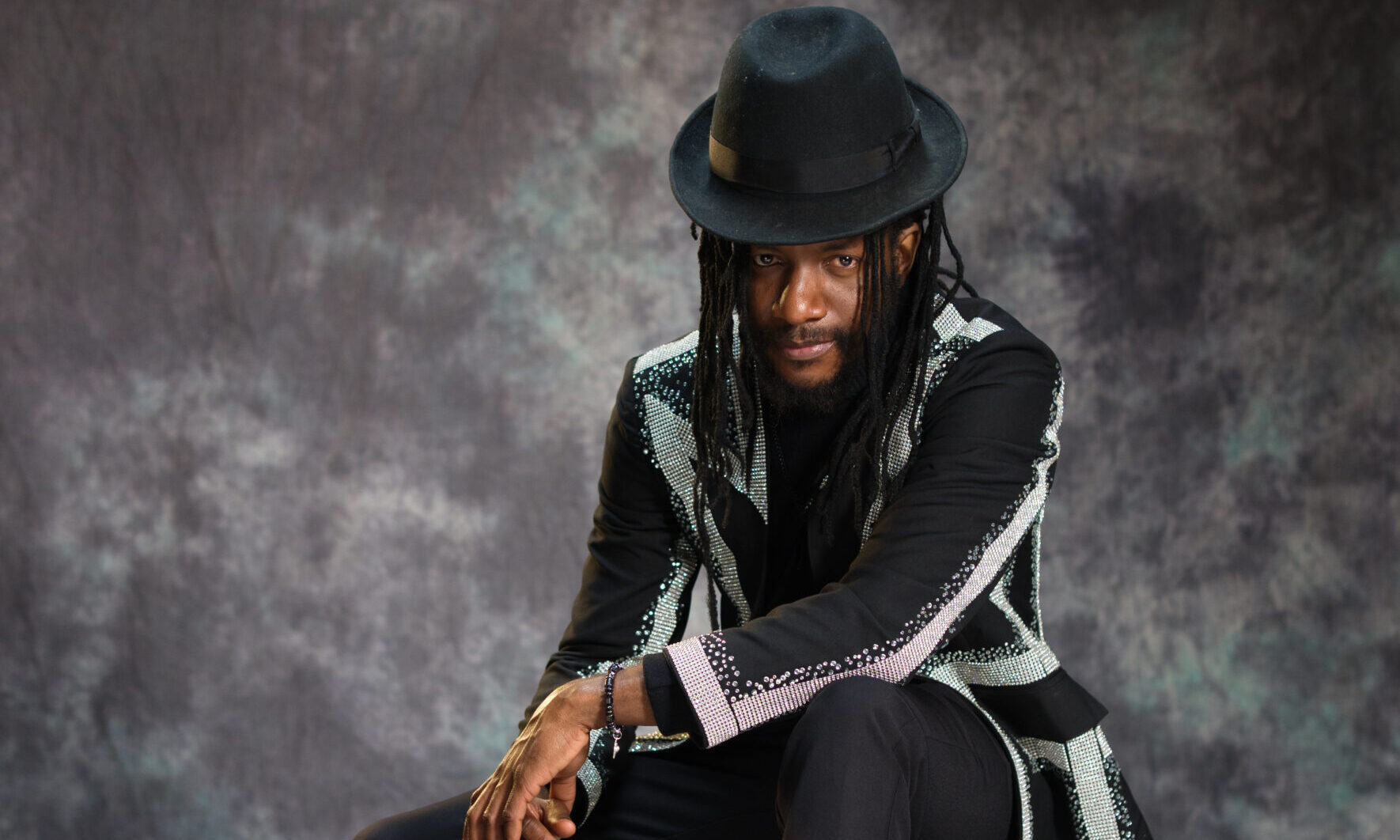
Zimbabwean musician Winky D has released Tête-à-Tête (Hello Africa), an album that combines roots reggae, socially conscious storytelling and collaborations with artists from Nigeria and Ghana. The project moves his focus from Zimbabwe to the wider African experience.
The album follows more than two decades of work in which Winky D has explored the links between music, cultural identity and the conditions shaping African societies. He is known for his influential role in the evolution of Zimdancehall, and his art has centred on the experiences, language and aspirations of ordinary Zimbabweans.
A continental conversation#
The album extends that approach beyond national borders. It examines dignity, leadership, solidarity and Africa’s place in the global cultural landscape.
The title is meant as an invitation to dialogue rather than a statement of arrival. Winky D sees connections between African societies, whose histories and circumstances differ but often raise shared questions about opportunity, belonging and progress.
“I have never considered Zimbabwean experience to exist in isolation from the rest of Africa,” he reflects. “The decision was therefore not necessarily to abandon a national conversation for a continental one. It was to acknowledge the larger geography of experiences that have always informed my music.”
Roots reggae through a Zimbabwean lens#
Musically, the album leans further into roots reggae, a tradition shaped by questions of identity, freedom, spirituality and human dignity. Rather than reproducing the genre’s Caribbean foundations, Winky D approaches it through Zimbabwean storytelling, metaphor and social observation, linking local experiences to a broader African conversation.
Tracks such as ‘Leadership’ and ‘Blind Patriots’ examine the relationship between power, accountability and national identity. They prompt listeners to consider the responsibilities of citizenship and the meaning of genuine patriotism. The album does not claim to answer the questions it raises, aiming instead to create room for reflection.
Collaborations across borders#
The album’s collaborators include:
- Patoranking, a Nigerian artist, on ‘Leadership’, a track exploring authority and responsibility
- Rocky Dawuni, a Ghanaian reggae musician, on ‘Hello Africa’, connecting the project to a wider tradition of African roots reggae
- Raybekah on ‘Greedy’, adding a perspective on human appetite and moral choices
For Winky D, these partnerships allow artists to bring their individual cultural identities into a shared creative space. Beyond reaching new audiences, he sees cross-border work as part of building a more connected African music industry.
“Pan-Africanism becomes meaningful when it is practised through cooperation, not simply announced through geographical references,” he says.
Recognition and the business of music#
Winky D is also concerned with the economics of African music‘s growing international visibility. He argues that global interest in African sounds must be matched by stronger creative institutions, greater ownership and sustainable opportunities for artists.
“There is a difference between being celebrated and being empowered,” he observes.
He wants continental solidarity to reach the practical workings of the industry, including regional touring networks, knowledge-sharing, intellectual property protection and fair commercial agreements.
An evolving career#
The album also reflects Winky D’s long-standing commitment to artistic change. His path runs from his early years as Wicked Deejay in Kambuzuma, through the development of his distinctive sound, to a move towards live-band performance in 2011.
“I see artistic evolution as a continuation of identity rather than a departure from it,” he explains.
That approach has allowed him to adapt to changing musical trends while keeping a recognisable voice. A 20-year career celebration held in 2023 at the Harare International Conference Centre marked a milestone, and the same year he received recognition as Best African Dancehall Entertainer in Jamaica.
For Winky D, longevity is not only about sustaining a career but also about examining what the music contributes to its listeners and the society in which it exists. As he puts it:
“The purpose of extending a conversation is not merely to reach more people. It is to discover what we can understand together that we could not understand alone.”